When you go on an international trip, you expect to go sightseeing. Normally, you see tons of buildings – some that hold records and others that hold the history of the world. You may even enjoy some museums and restaurants. Costa Rica has all of that and so much more.
Nature is something that many of us take advantage of. We say, “Oh yeah. I’ve seen mountains before,” but have we really seen what Costa Rica hides within all of the trees?
Costa Rica is known for its many national parks. Costa Rica inhabits many different animals that we do not have in the United States. Manuel Antonio is a well-known national park. It contains four different types of habitats: rainforest, costal, mangrove, and deciduous. You can expect to see many different animals including sloths, monkeys, birds, and insects.
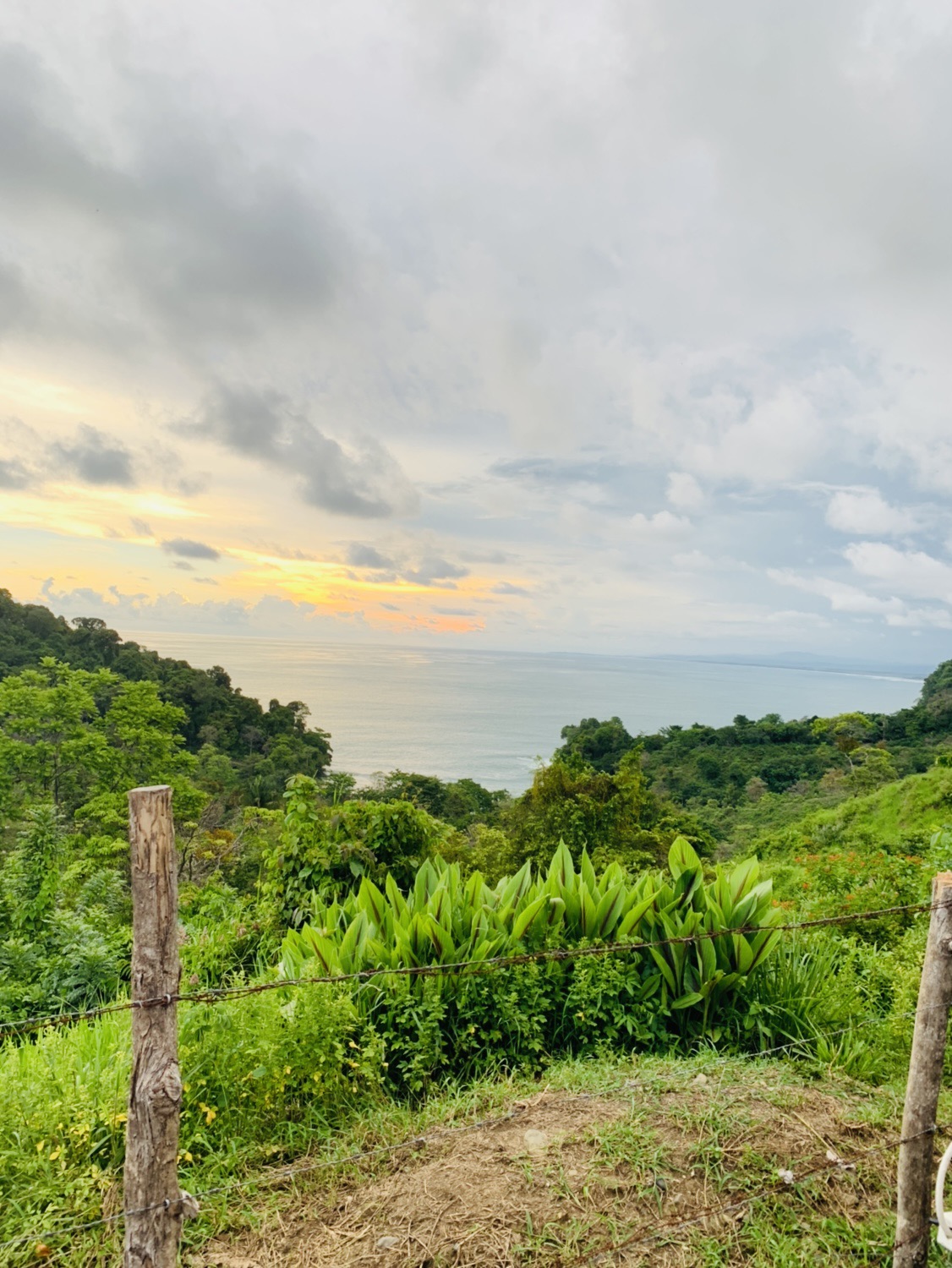
Ronnie’s Sunset Dinner
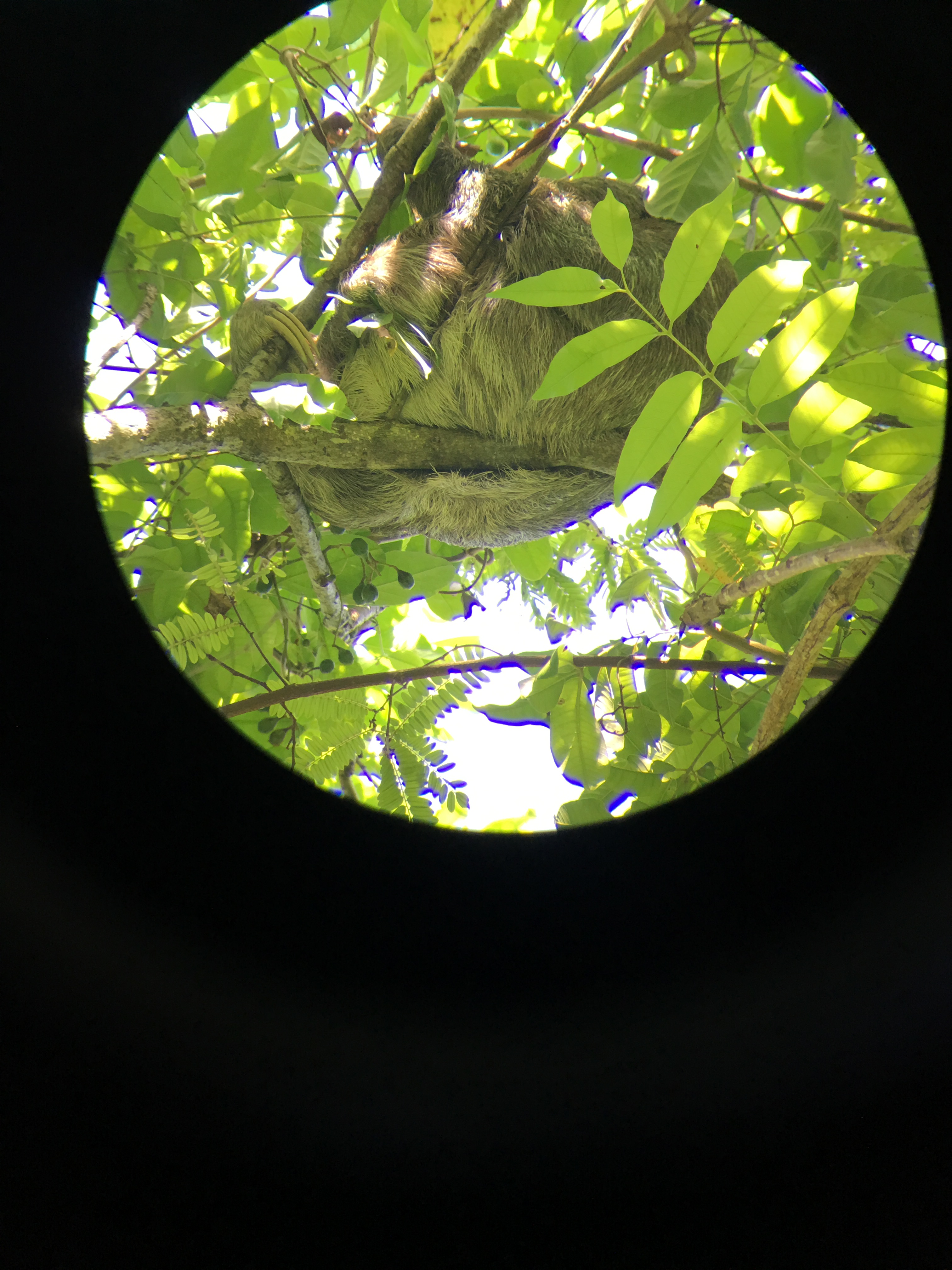
Sloth at Manuel Antonio
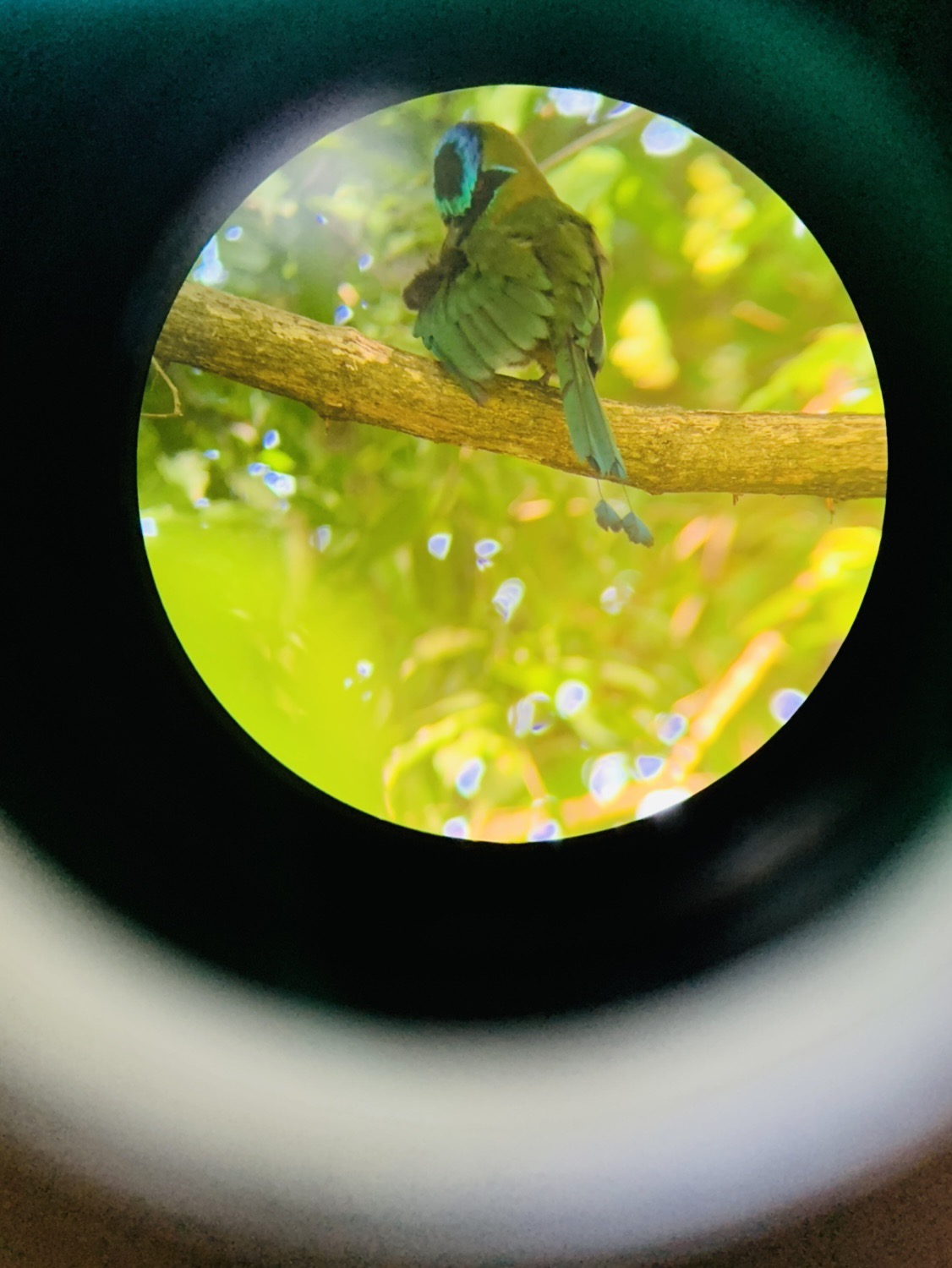
Bird at Manuel Antonio
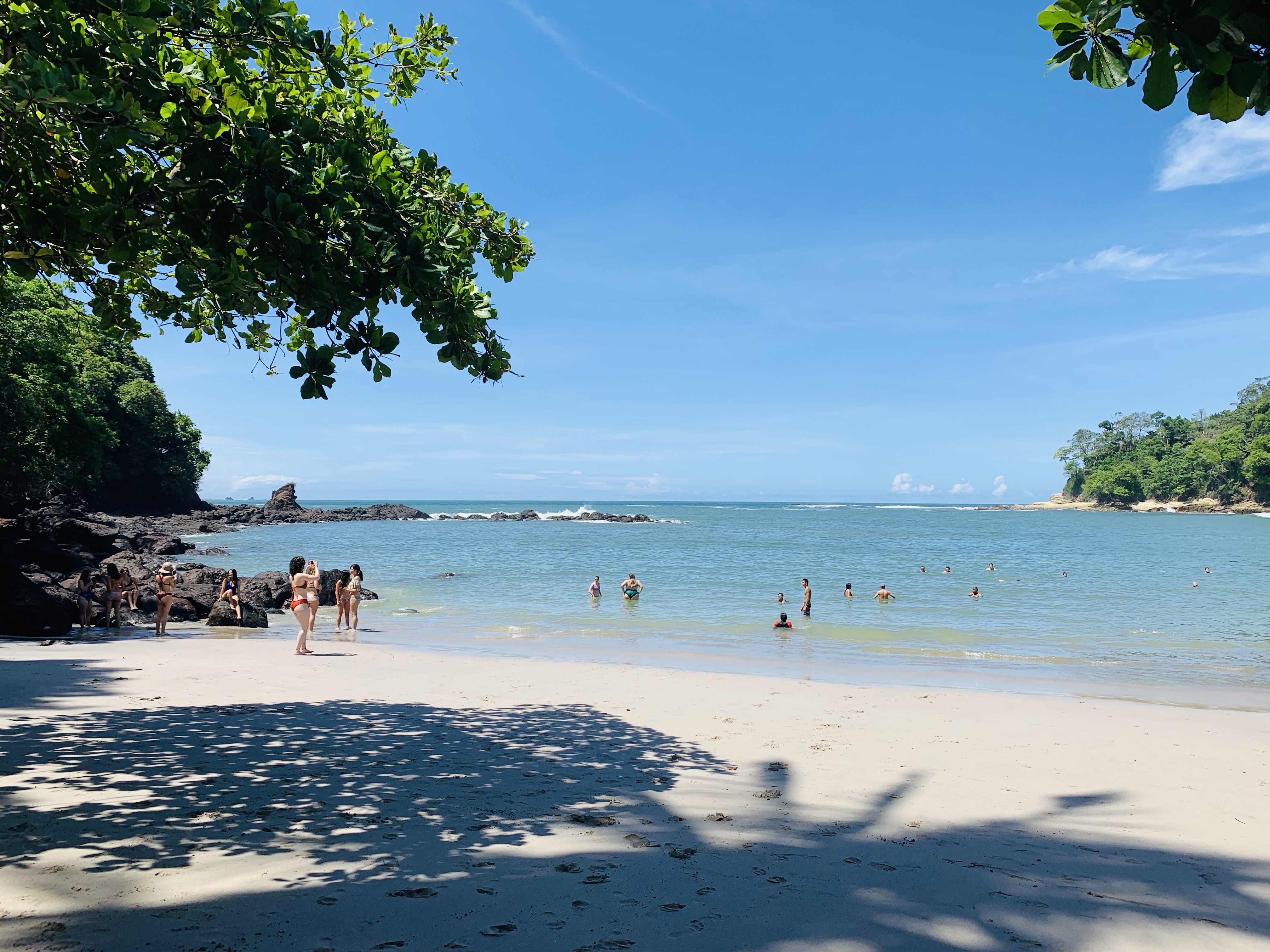
Beach at Manuel Antonio
There are many city parks as well
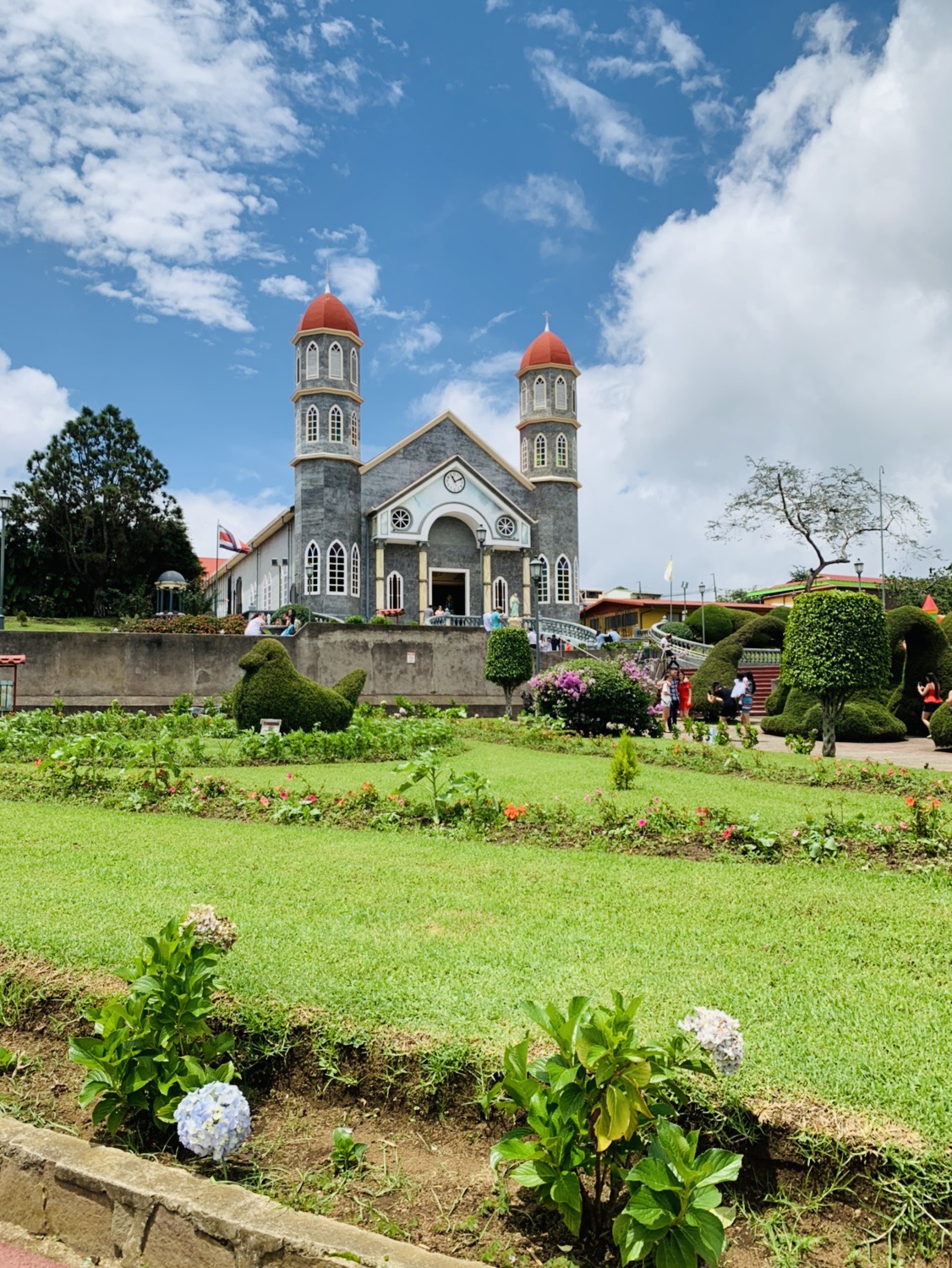
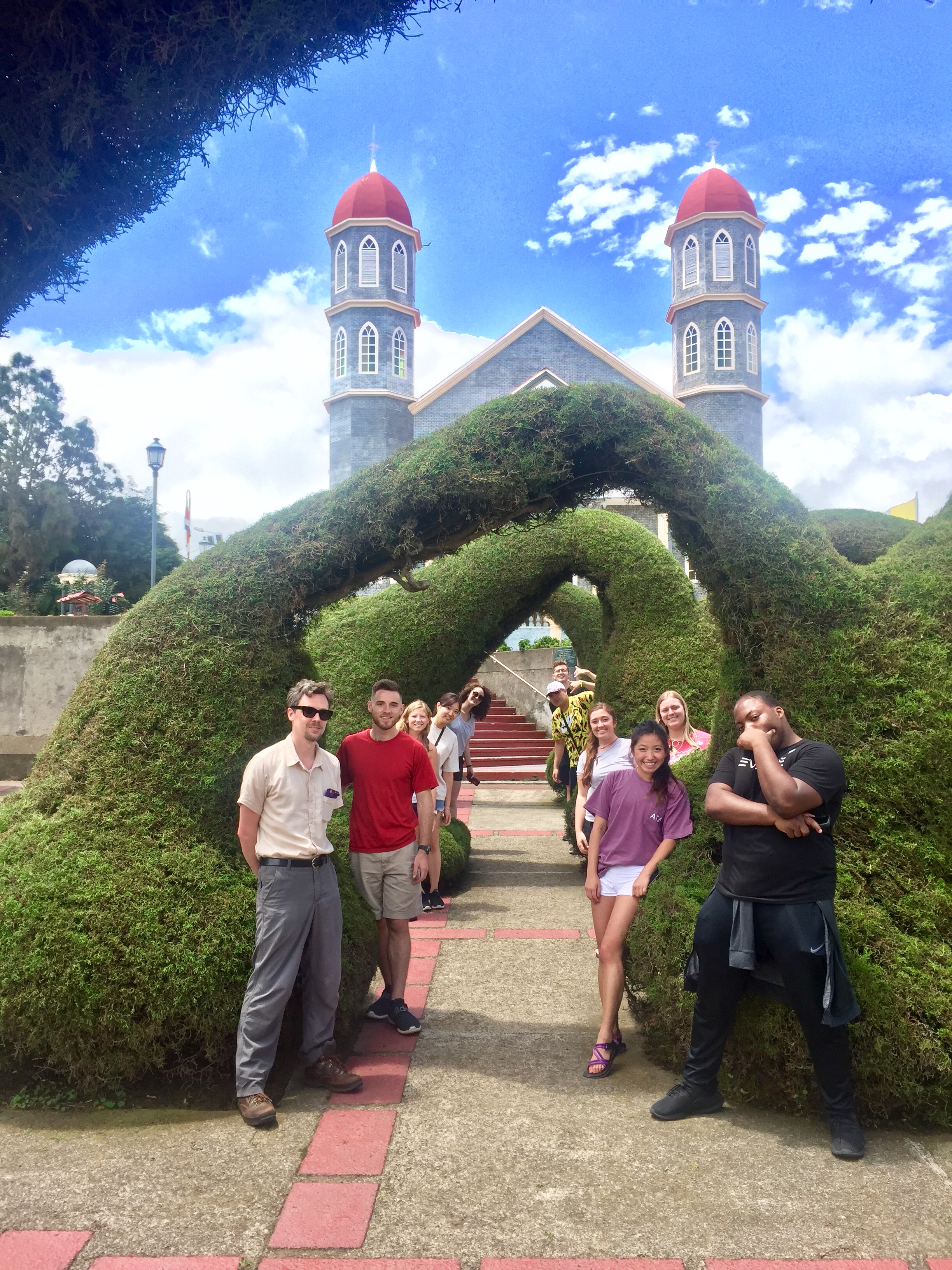
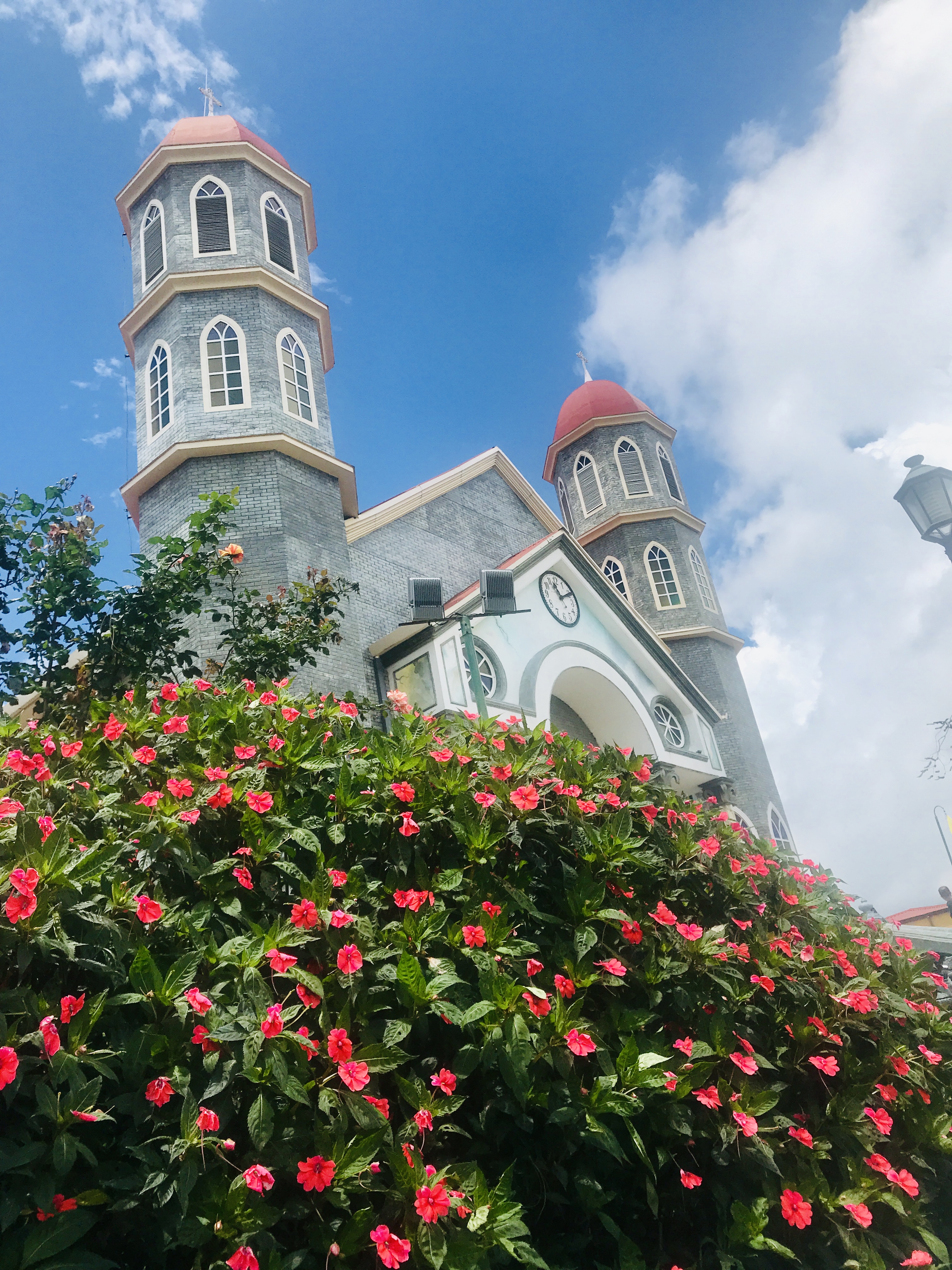
Park & Church at Alfaro Ruiz
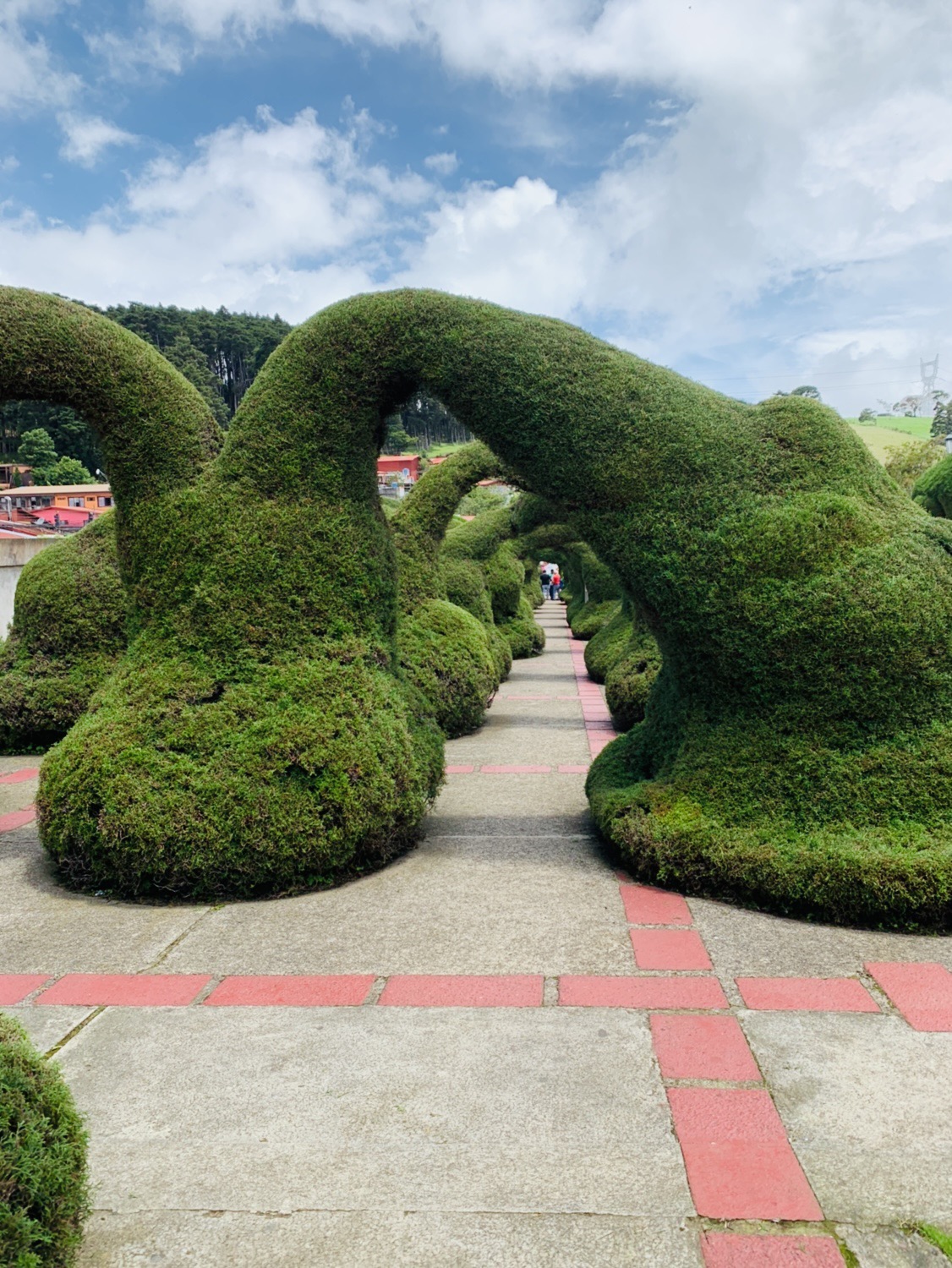
Park at Alfaro Ruiz
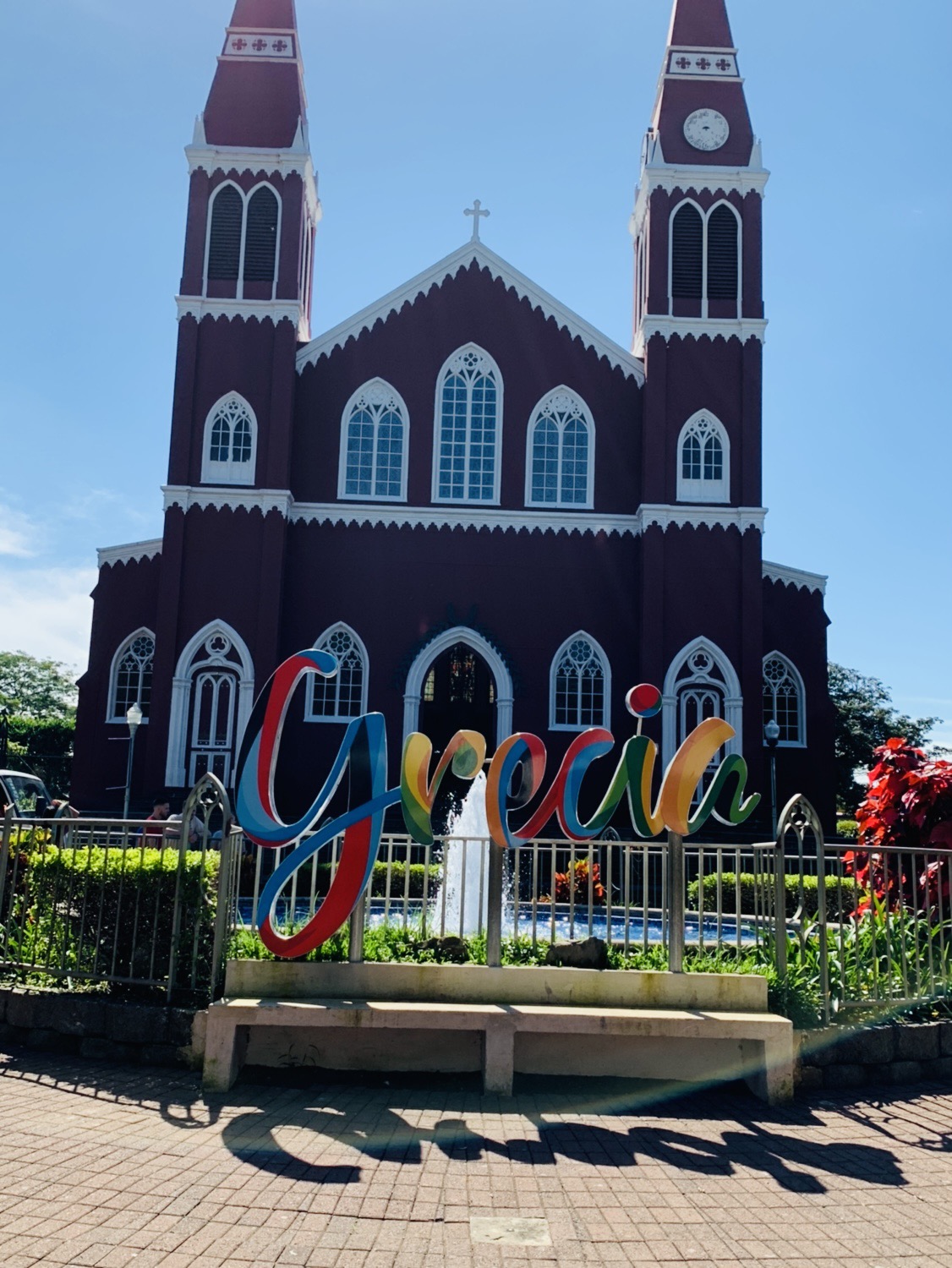
Grecia City Park
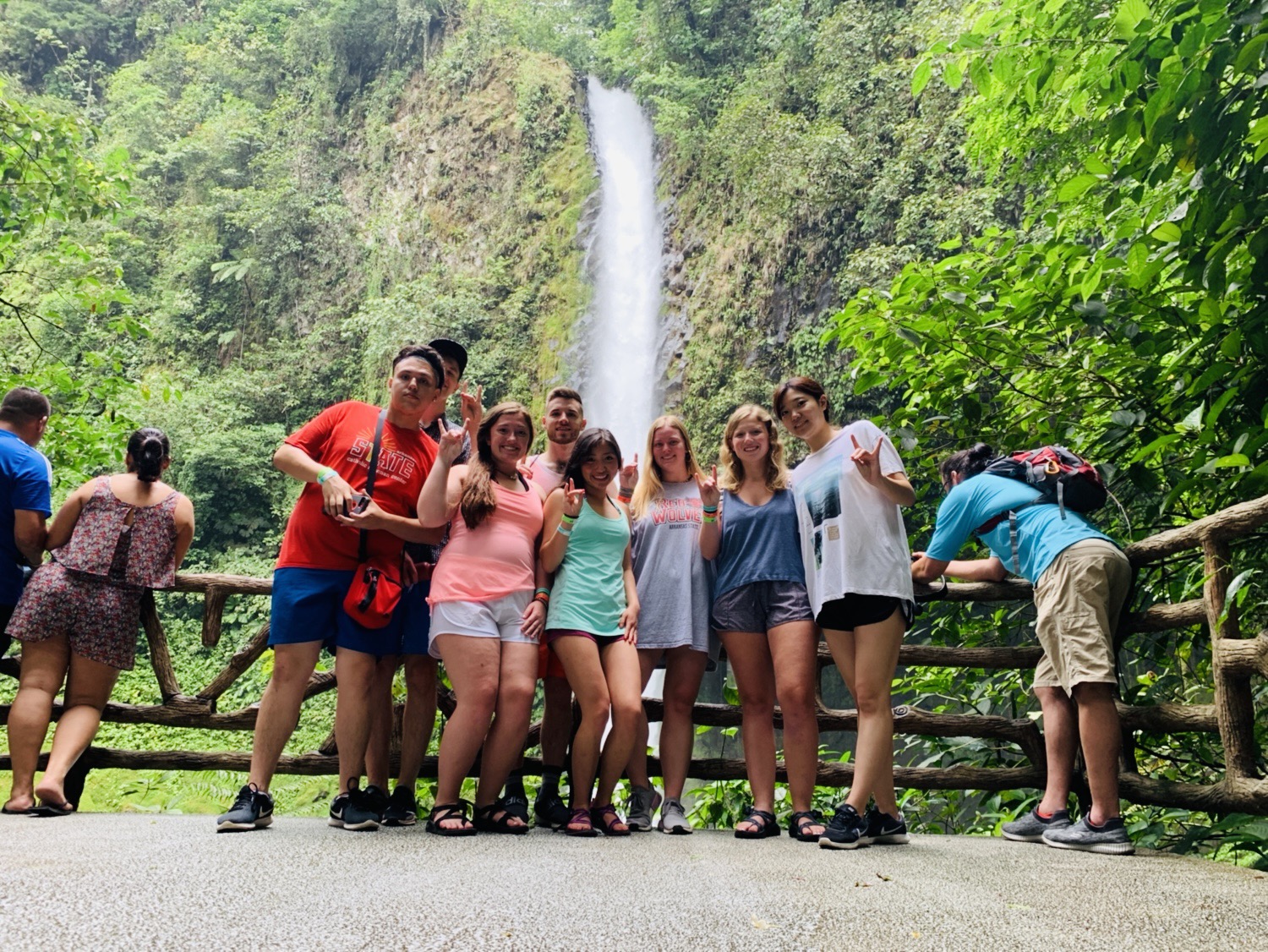
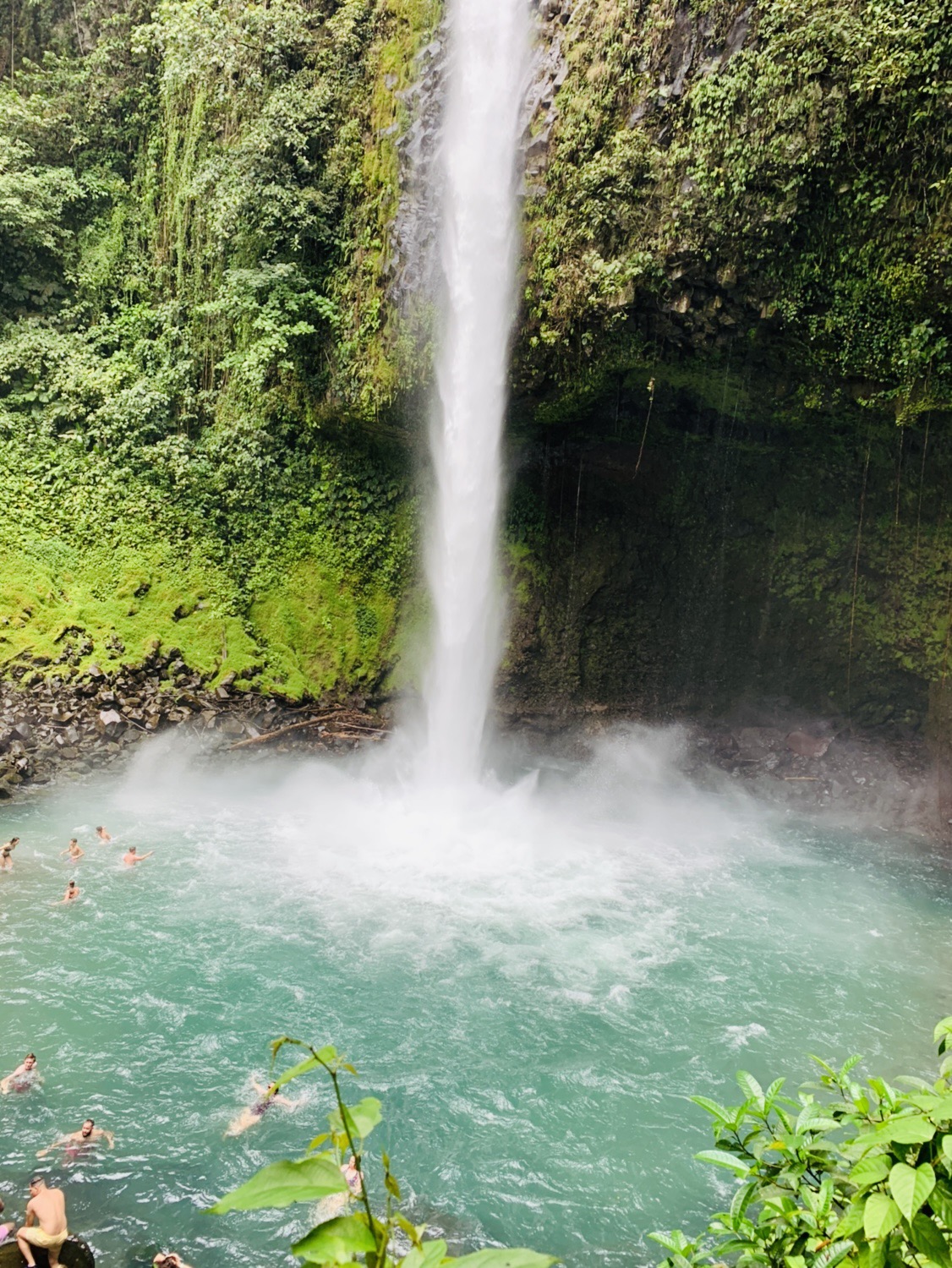
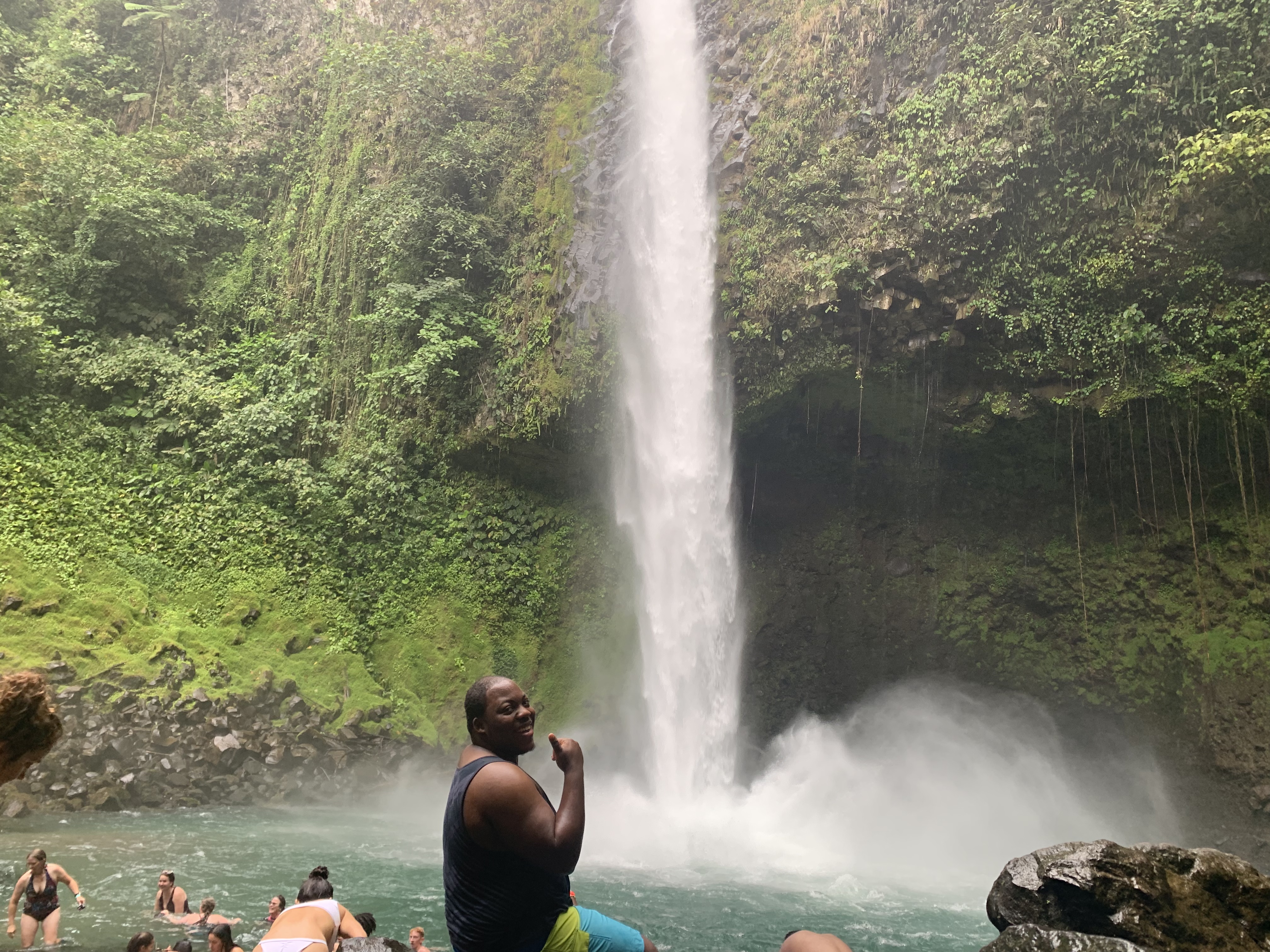
You could take a little hike and uncover an extravagant waterfall. La Fortuna, for example, is one of the most famous waterfalls in Costa Rica. The waterfall is situated 500 steps down, and yes, it’s 500 steps back up. It is very much worth the haul. We visited a small waterfall in Monteverde as well.
Red Wolves at La Fortuna
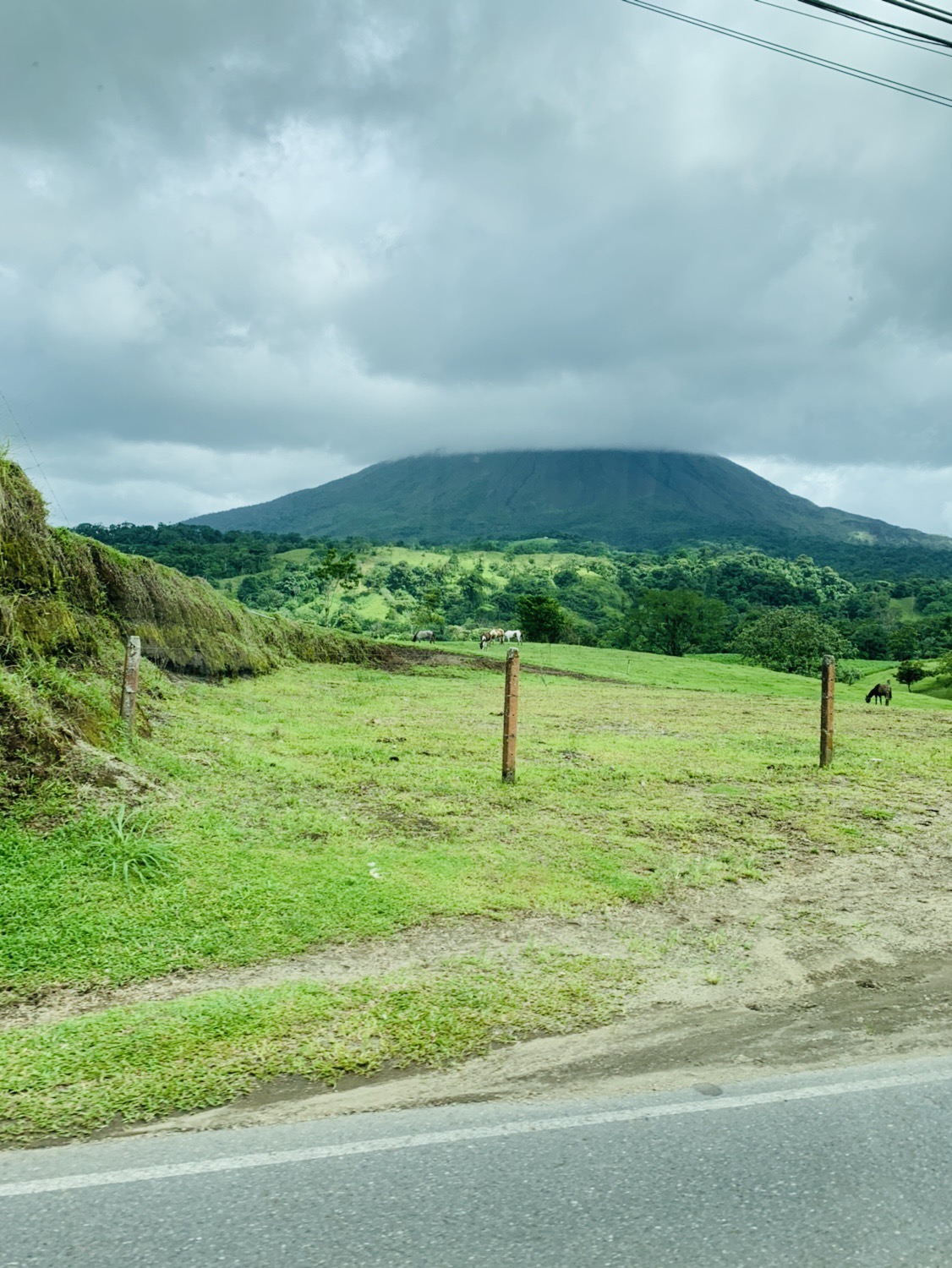
Arenal Volcano
La Fortuna Waterfall
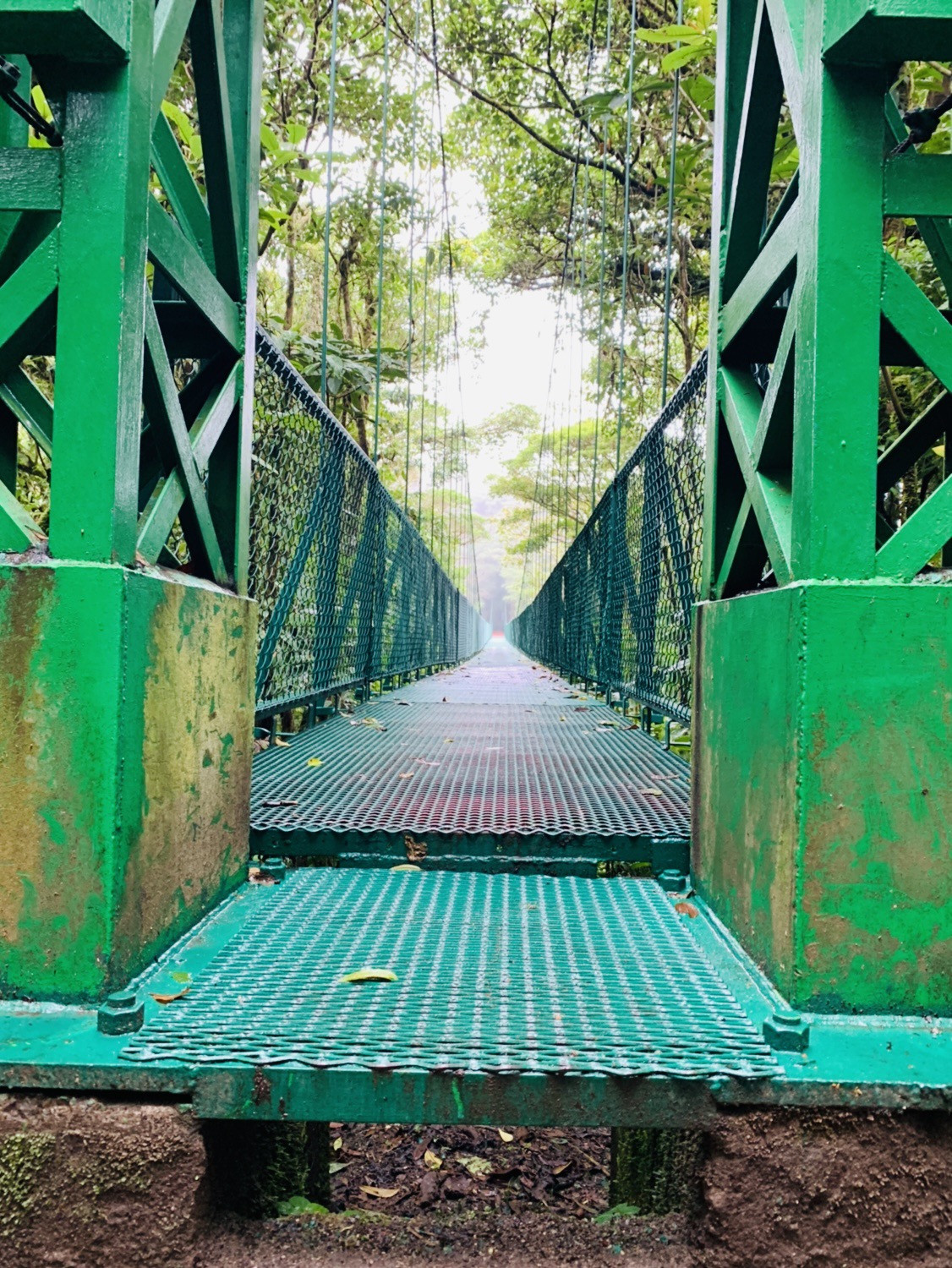
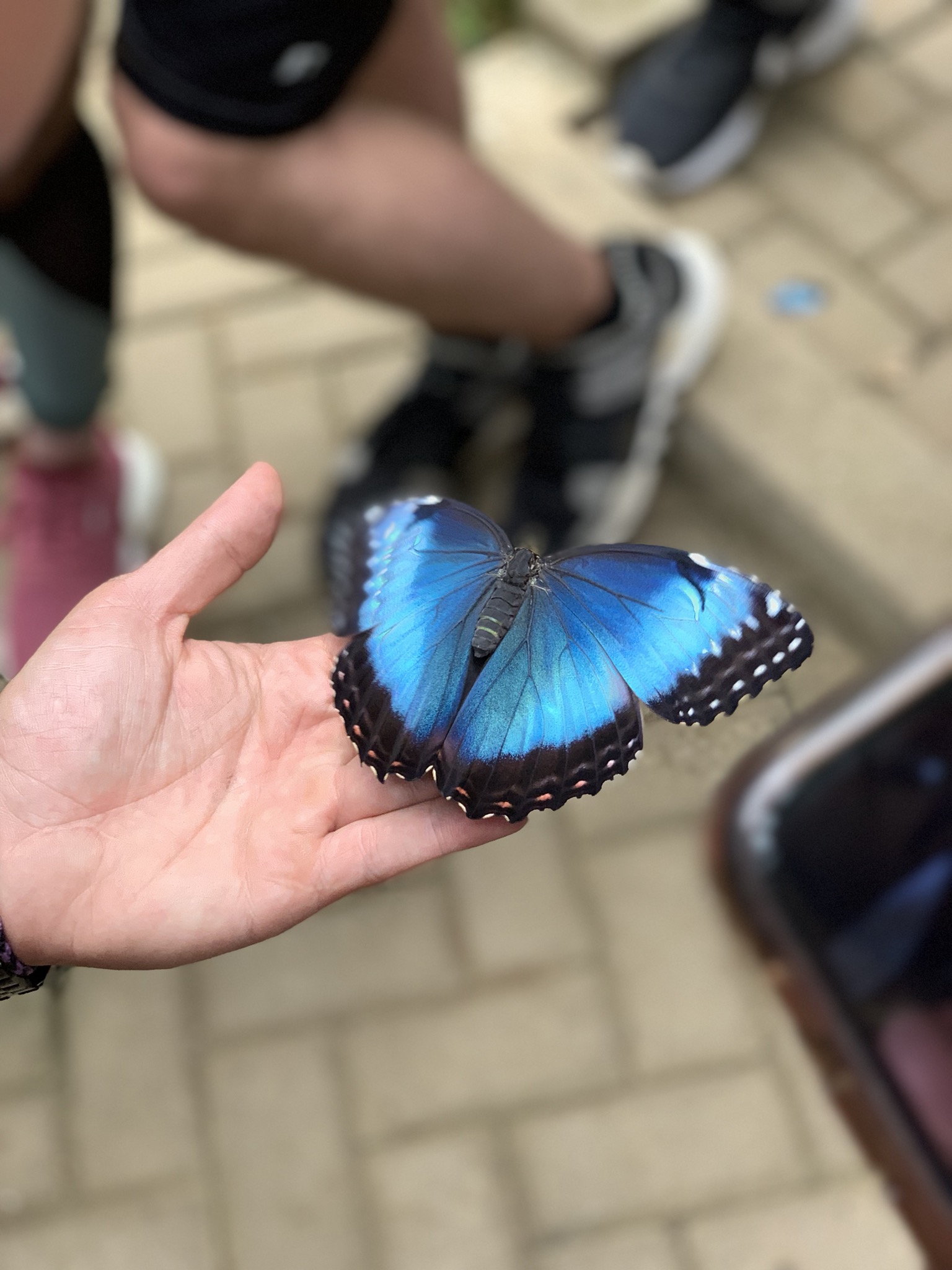
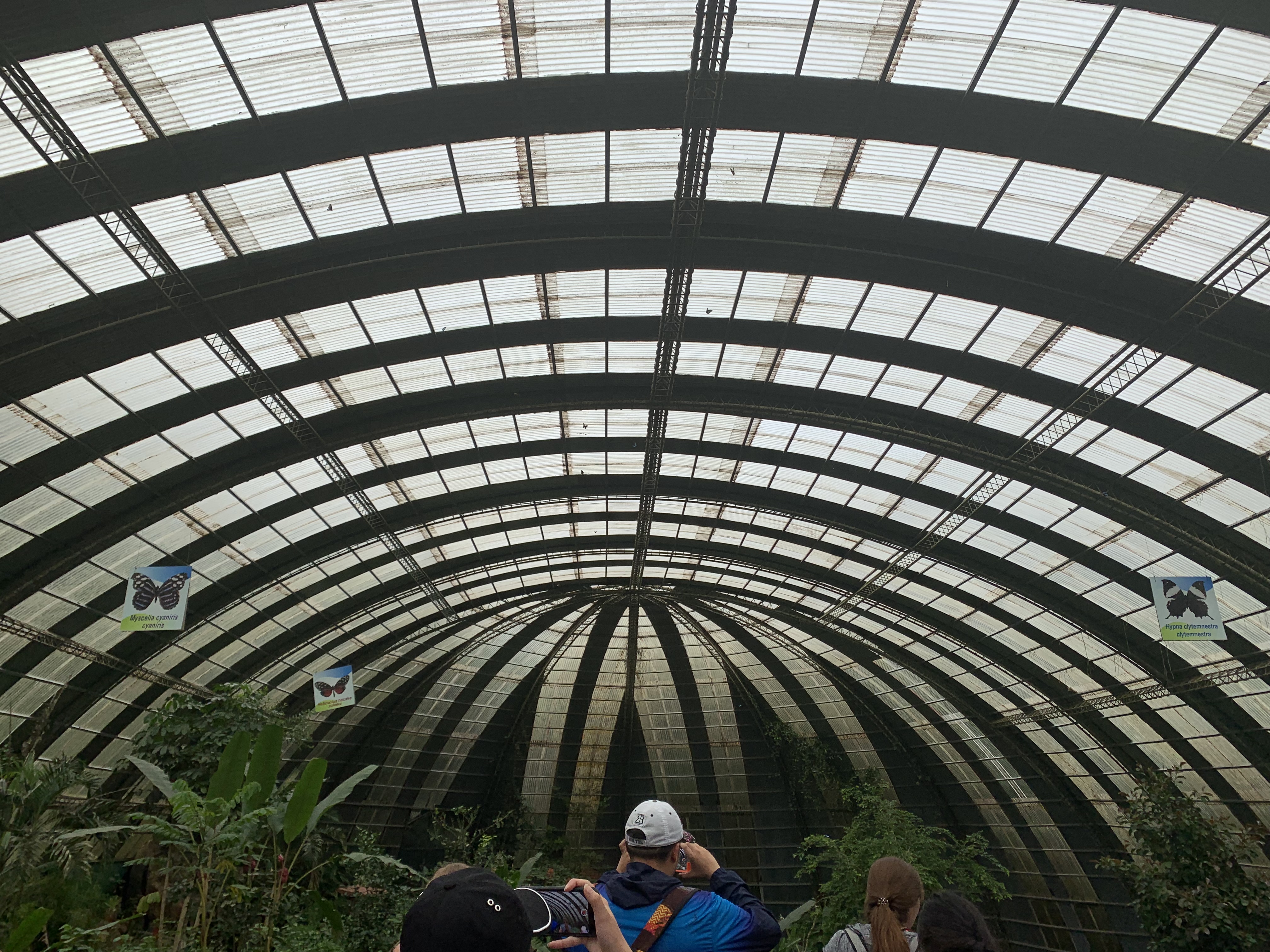
If you’re in for more of a thrill, you can visit the swinging bridges at Selvatura. Selvatura displays numerous swinging bridges along a trail that takes you across three different provinces in Costa Rica. Selvatura also has art, insect, reptile and butterfly exhibits. Their butterfly exhibit is the biggest in the world.
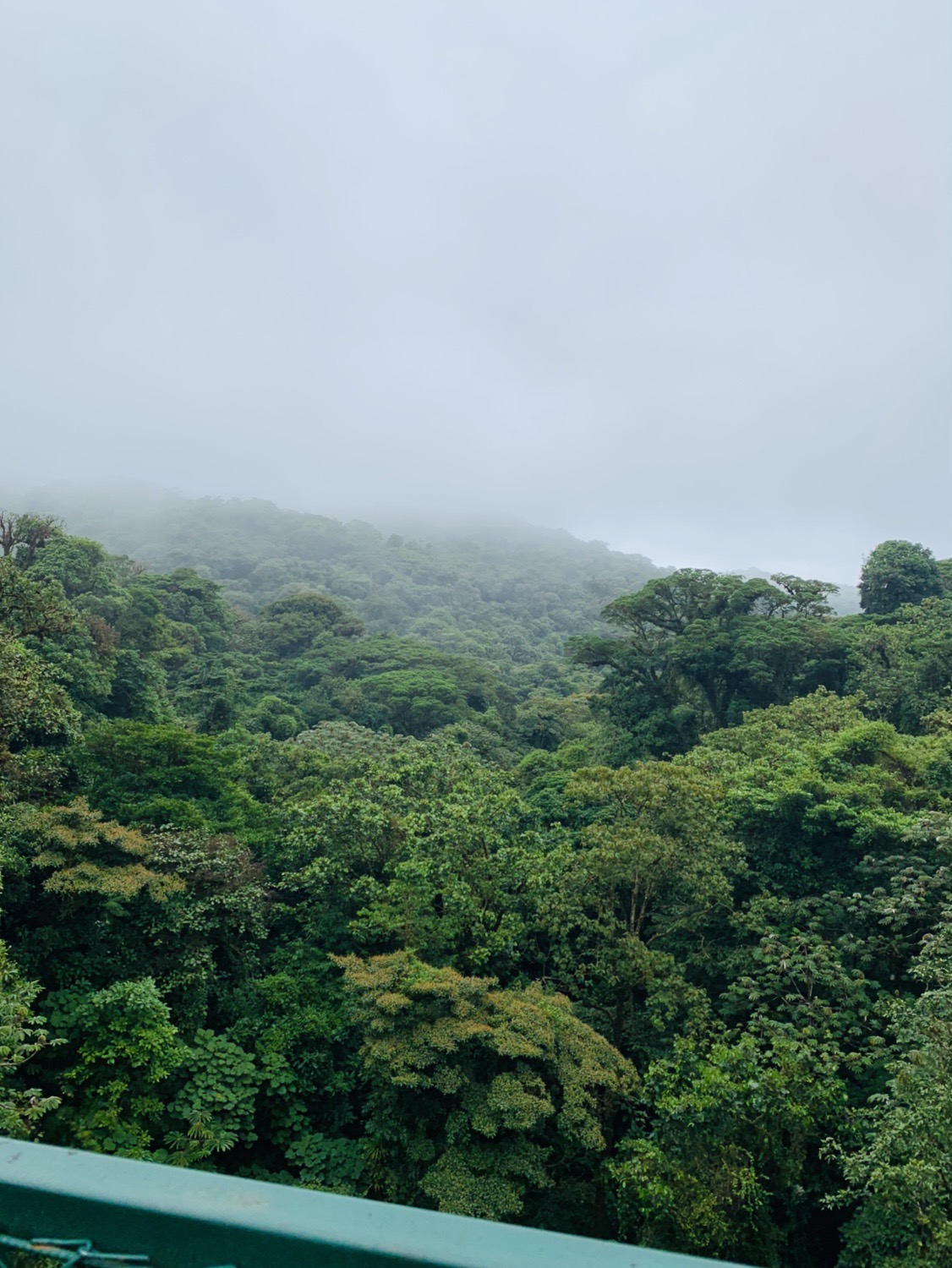
View at Selvatura
Swinging Bridge at Selvatura
Butterfly from Selvatura
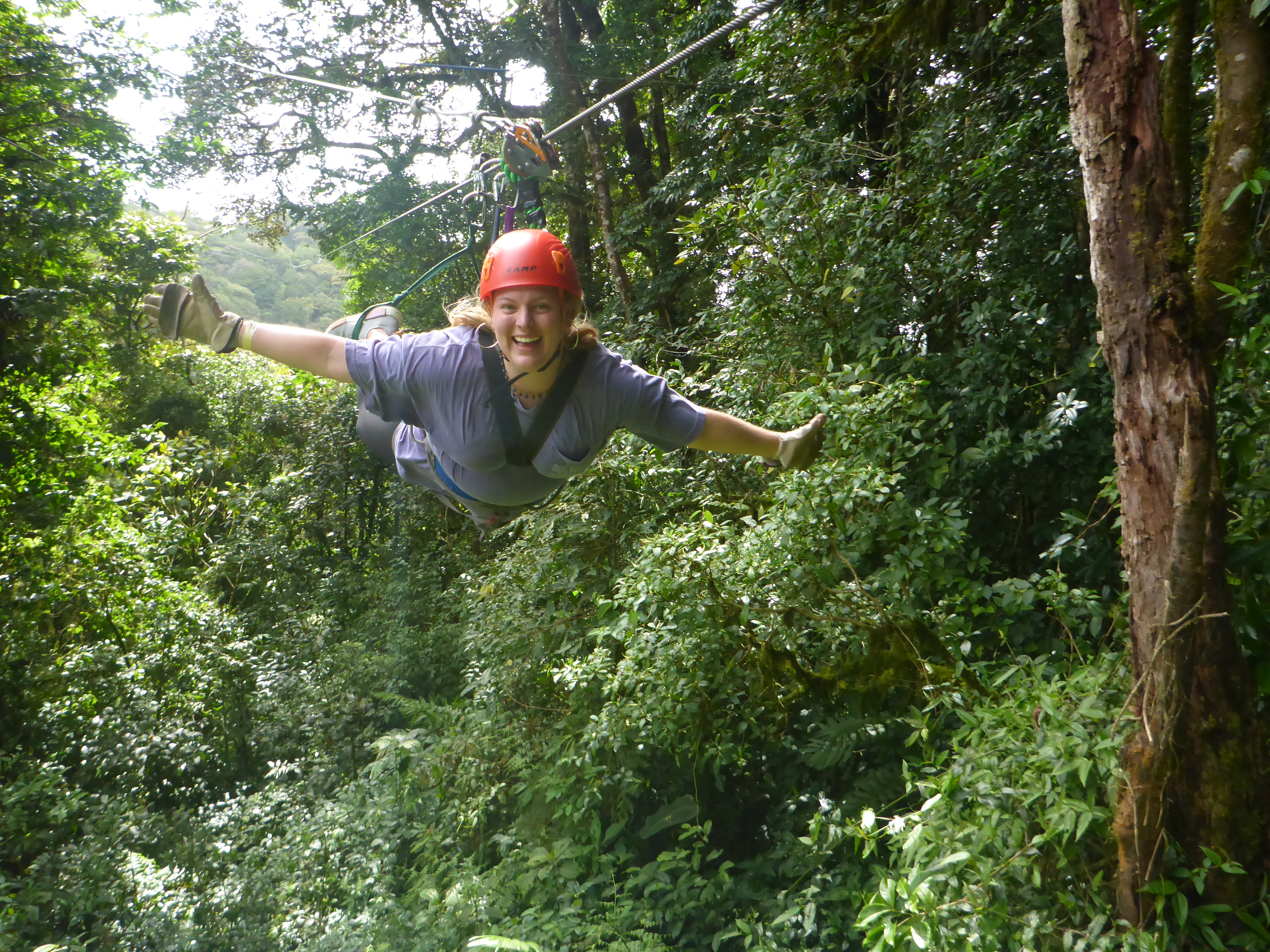
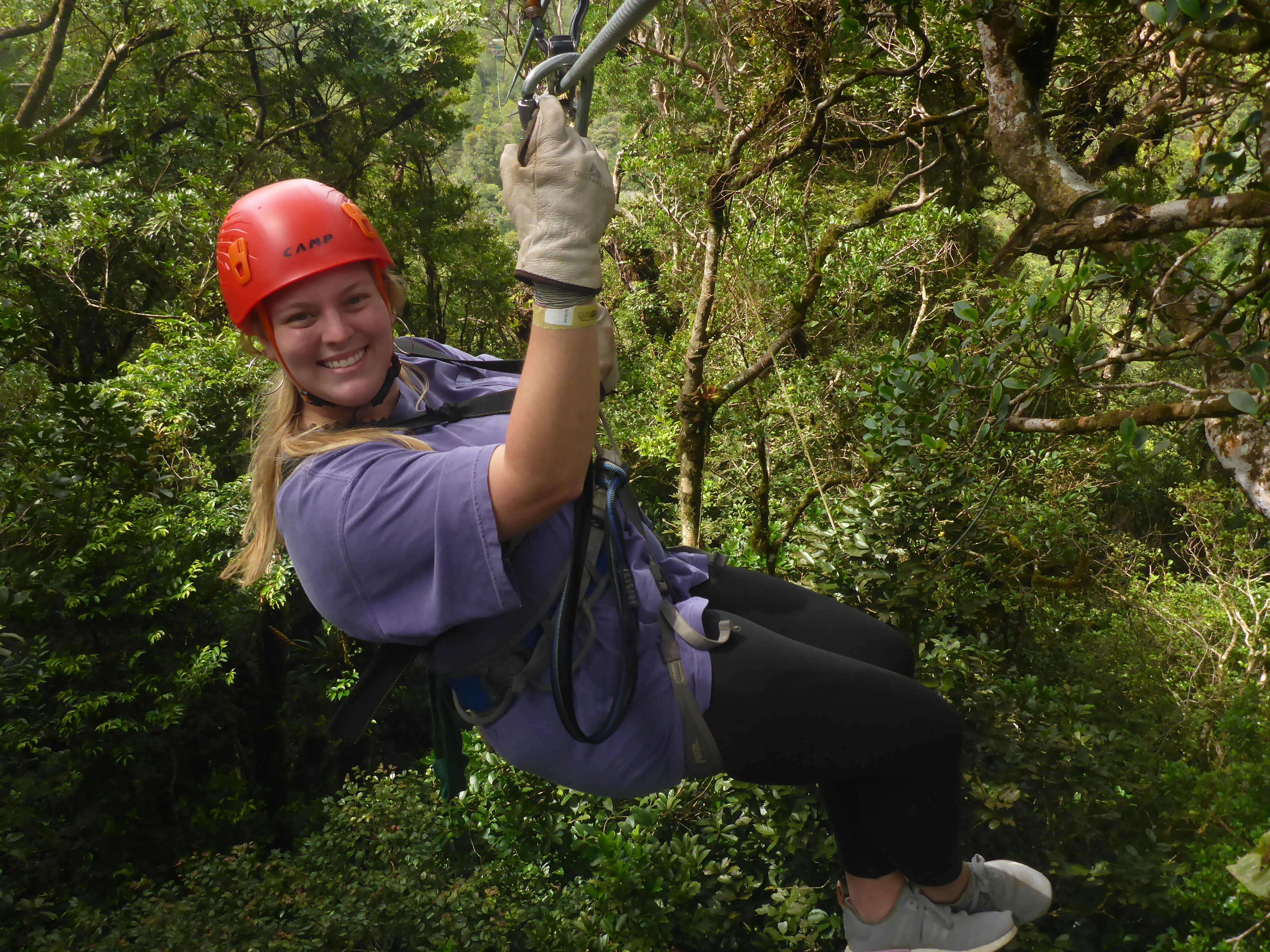
You can also take one of many canopy tours. They have the Tarzan Swing, zip lines, bungee jumping, and more.
Superman Zipline
Canopy Zipline
Costa Rica has many different options when it comes to exploring. If you ever come to Costa Rica, make sure and take advantage of all of these wonderful opportunities. It definitely beats sitting inside and watching tv. Go explore!
Part of the experience of going to Costa Rica, unless you stay in heavily populated areas, is snakes being close around. For some people it is best not knowing snakes are close as you walk the trails of the rainforest. For me, a born and raised Ozark mountains resident, the experience was exciting. In Costa Rica there are 130 snakes of which 23 are venomous. The level of deadliness is usually inversely related to level of aggression. But, do not fear, there are antivenoms for all but one snake in Costa Rica, the Coral Snake. The reason there isn’t an antivenom is because the process of making the antivenom uses horses. Horses have great immune systems and also can produce a lot of antivenom. This process includes injecting the venom into a horse and extracting antivenom properties from the blood. The venom from the Coral Snake is too toxic and kills the horse. Costa Ricans call this snake the cigarette snake because if you get bitten, you have time to smoke one cigarette before you die. The place we visited did not have one since their habitat is off the pacific coast of Costa Rica. I don’t have a picture of this snake but you can look it up if desired.
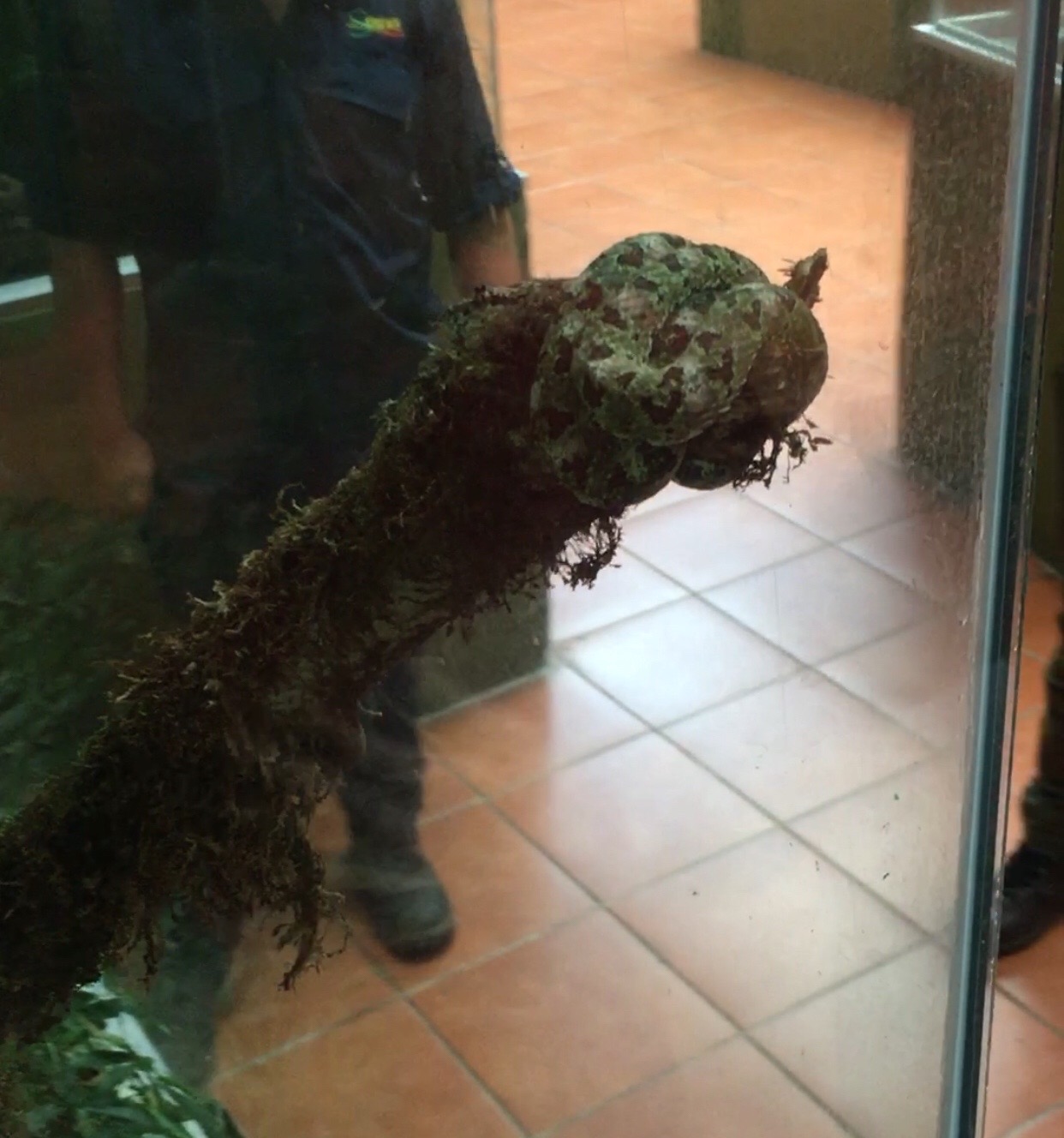
The Fer-De-Lance snake is a crop lands snake and is hemotoxic. The snakes work at night time and “Fer-De-Lance” is French meaning “head of the spear.” This is the most aggressive snake in Costa Rica. According to our guide, this snake will go down from its nest, go into your house, and bite you.
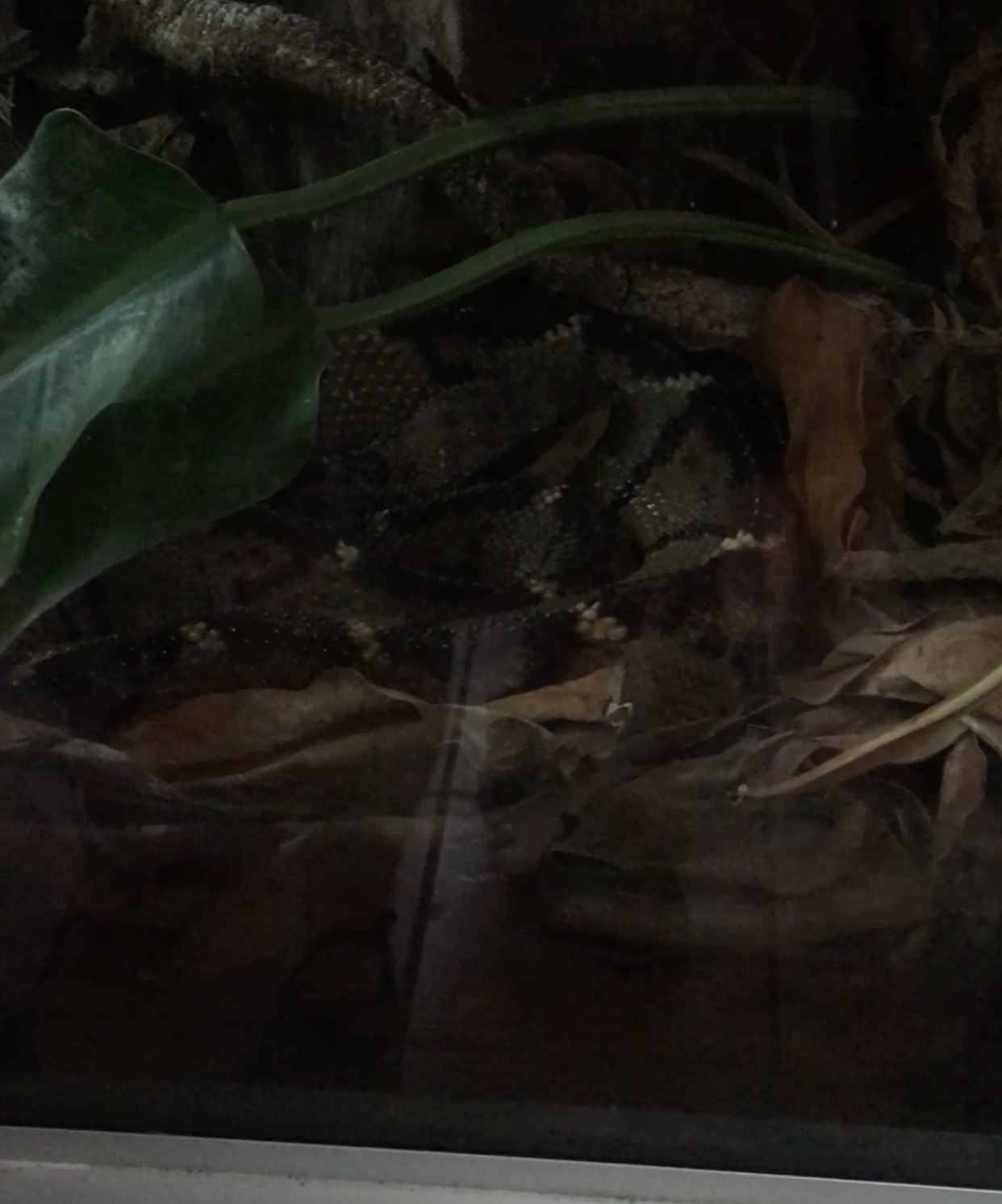
Another important snake of Costa Rica is the bush master, the Northern and Black-headed Bushmaster are the two types. This snake is the most common very venomous snake and is deadly. The venom of this snake is special since it has both neuro and hemotoxic venom. The previous snake, the Fer-De-Lance, sometimes gives dry bites, but the bushmaster does not. However, the bushmaster is pretty “shy.” In order to get bitten by this snake you have to step on its head or hit it with something.
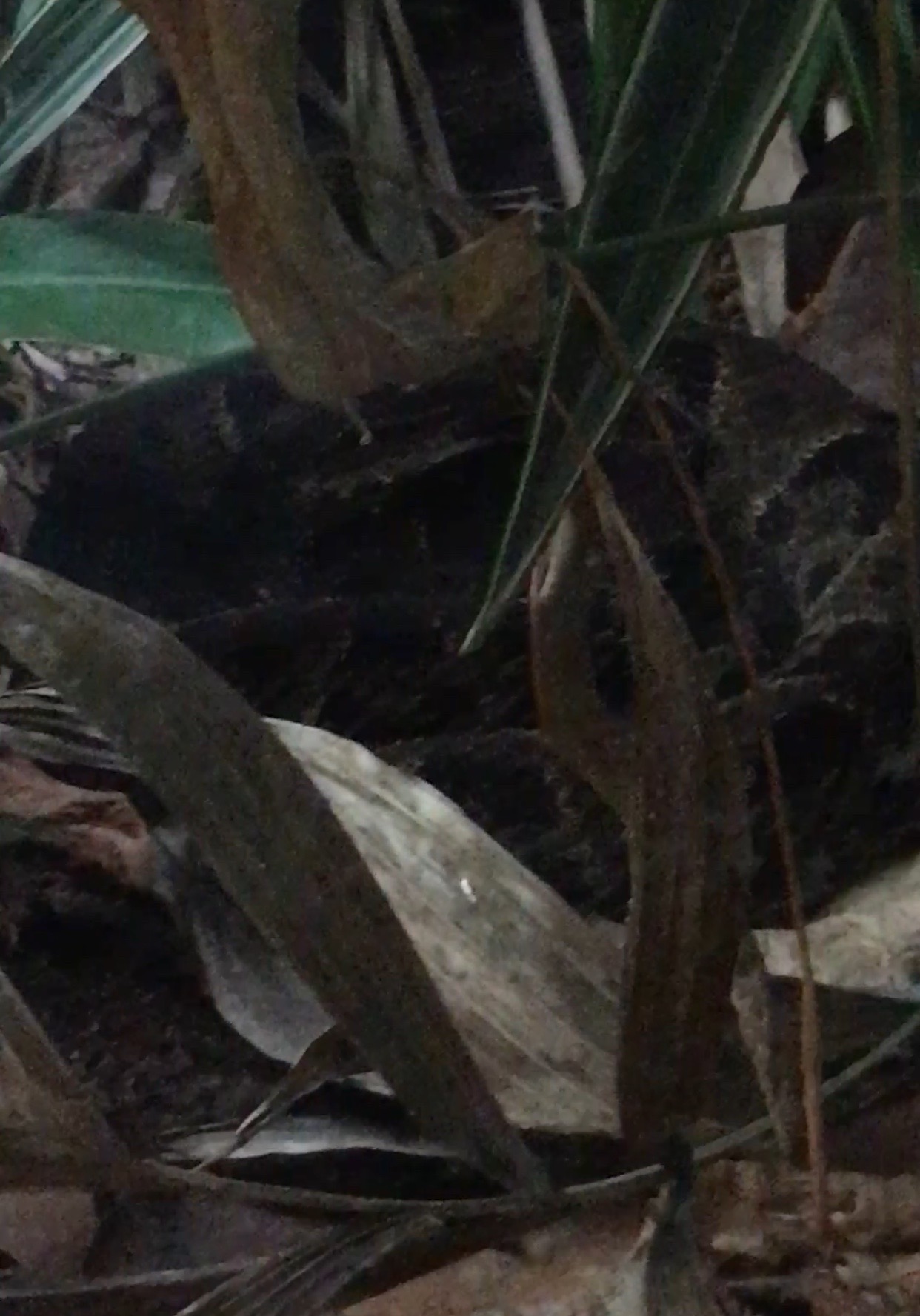
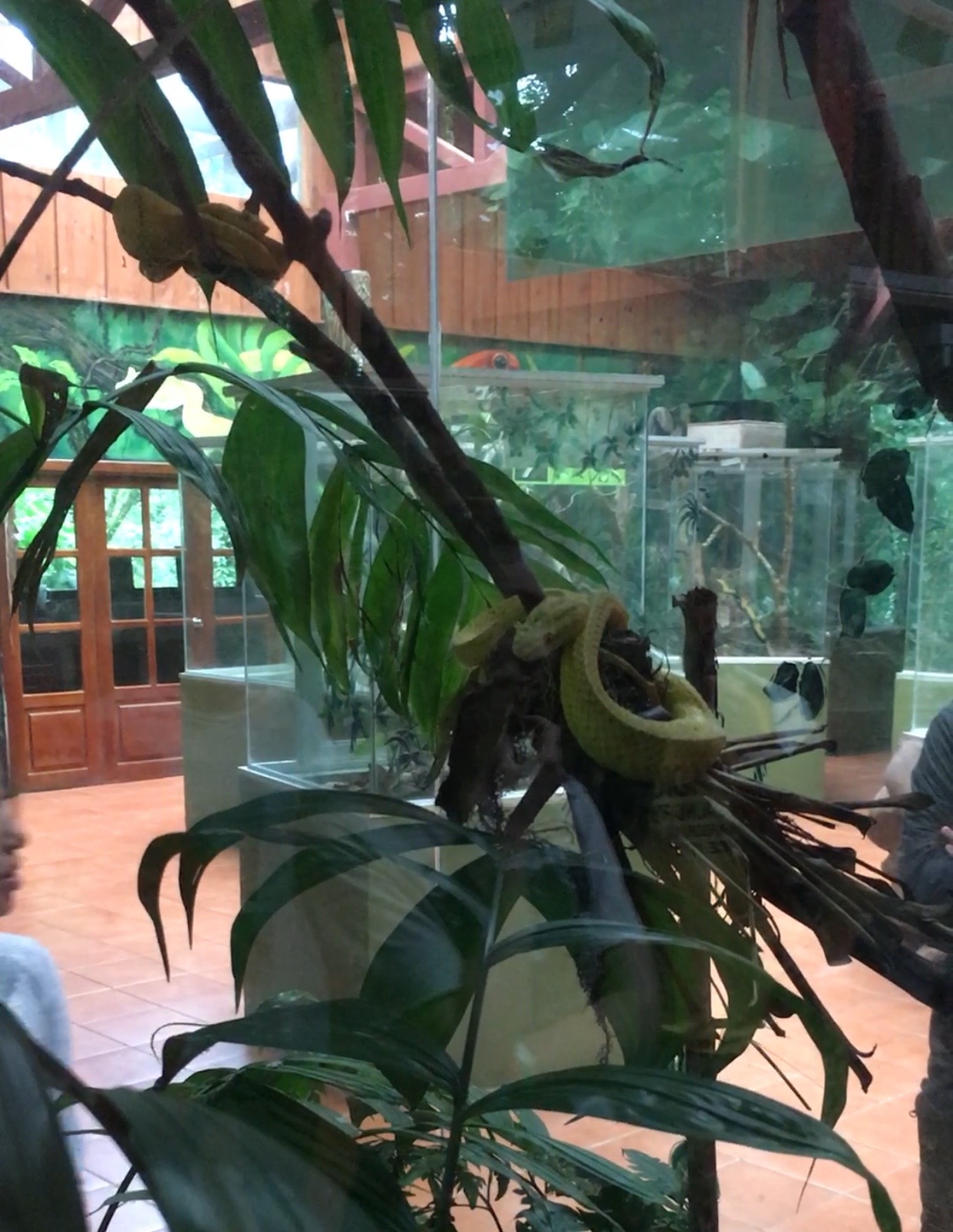
The last important snake in Costa Rica we learned about was the Eye Lash Viper. This snake is a master of camouflage and is the most common in bite reports in Costa Rica. The problem with its great camouflage is being able to spot and avoid the bite. However, most people who get bitten are field workers and not tourists who stay on the trails.
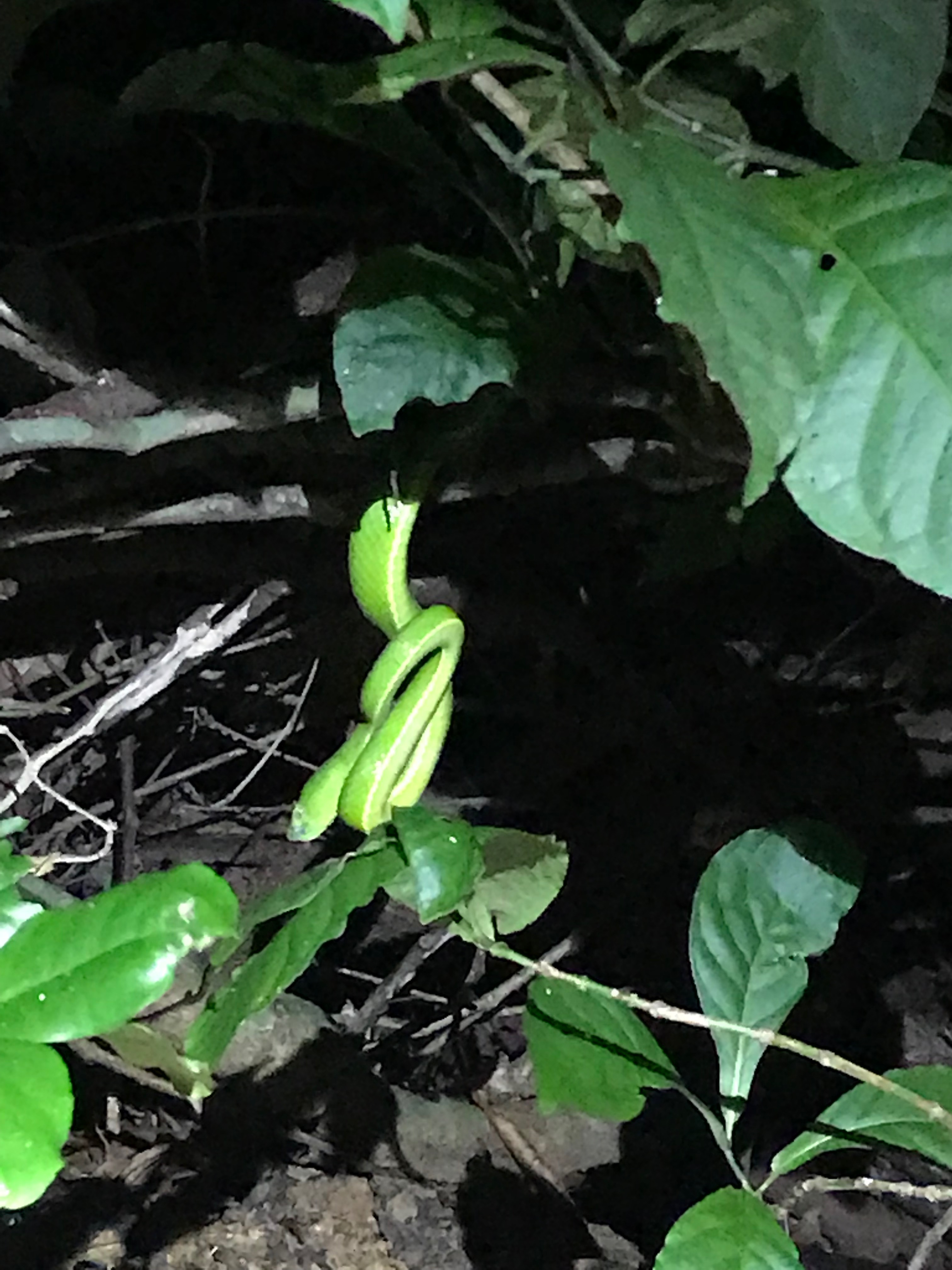
This green snake was the one kind we saw in the wild on a night walk. I would highly recommend a night walk if one is available. The snake is called the Side Striped pit viper. The pits on its face sense amounts of heat on its prey. These pits allow the snake to strike where more blood flow is which kills the prey quicker.
Learning about all the exotic animals in Costa Rica was one of my favorite parts of this trip. Even better was no one was hurt or bitten! This was definitely a once in a lifetime learning experience and I am thankful I got the opportunity.
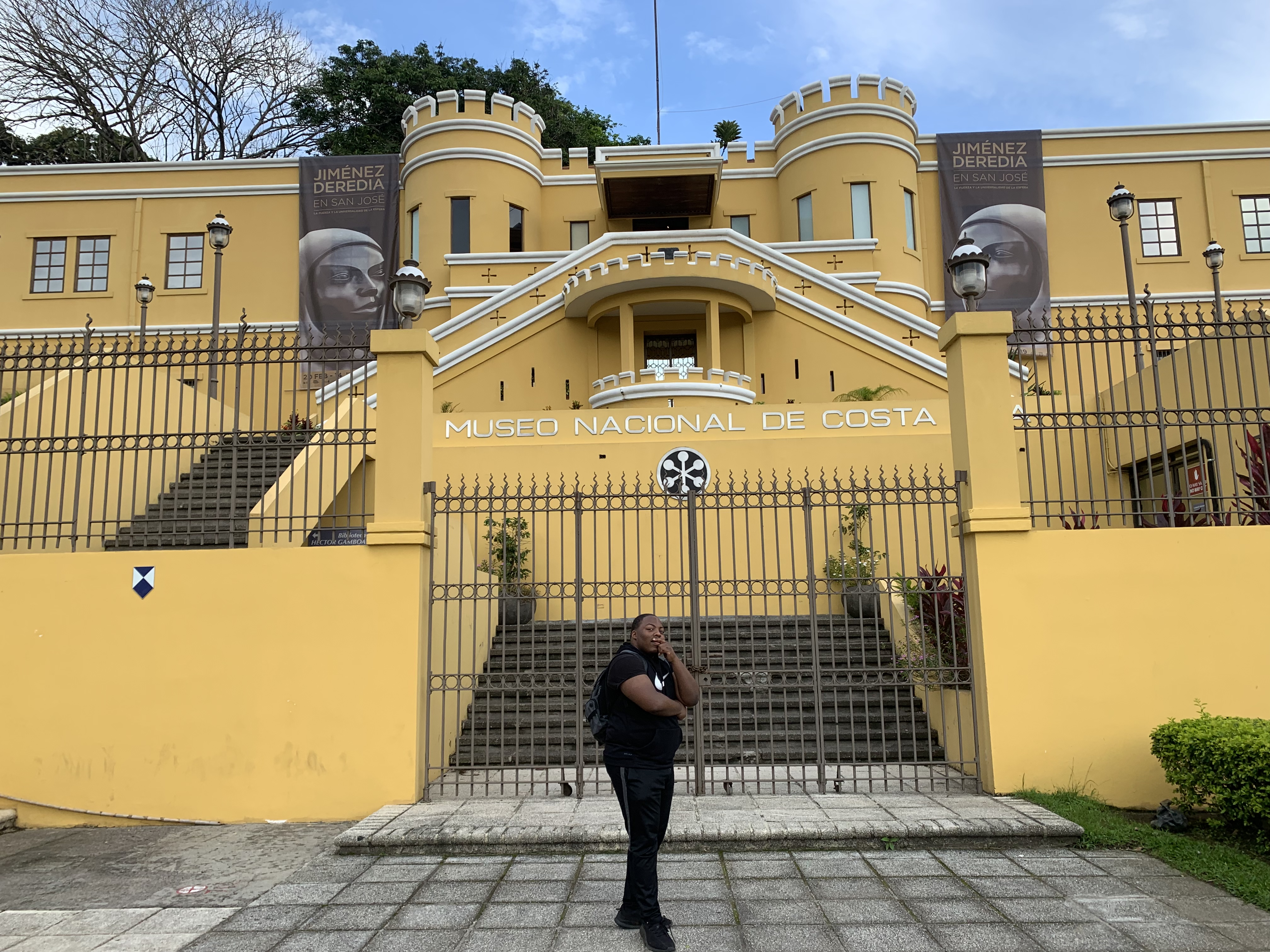
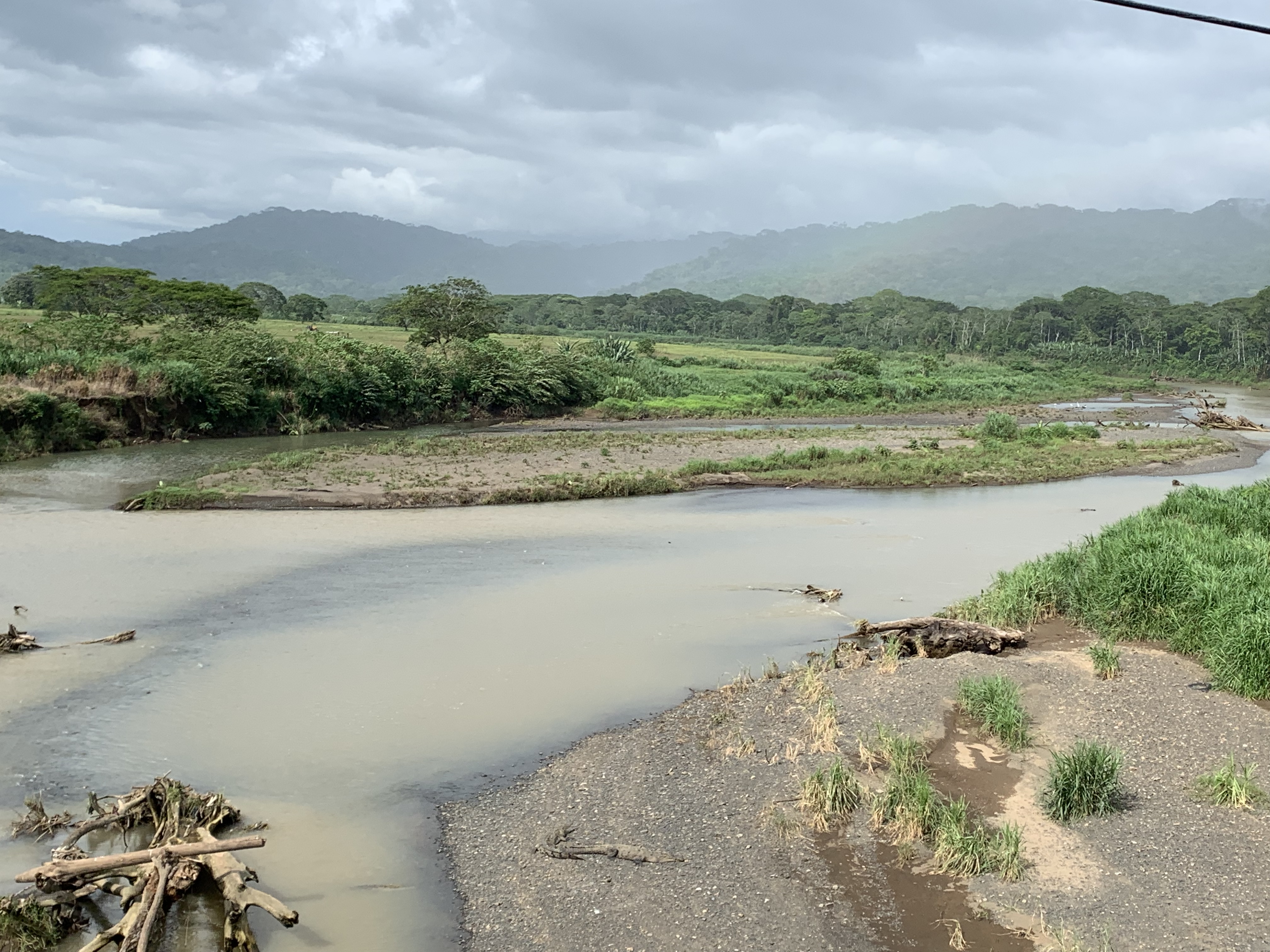
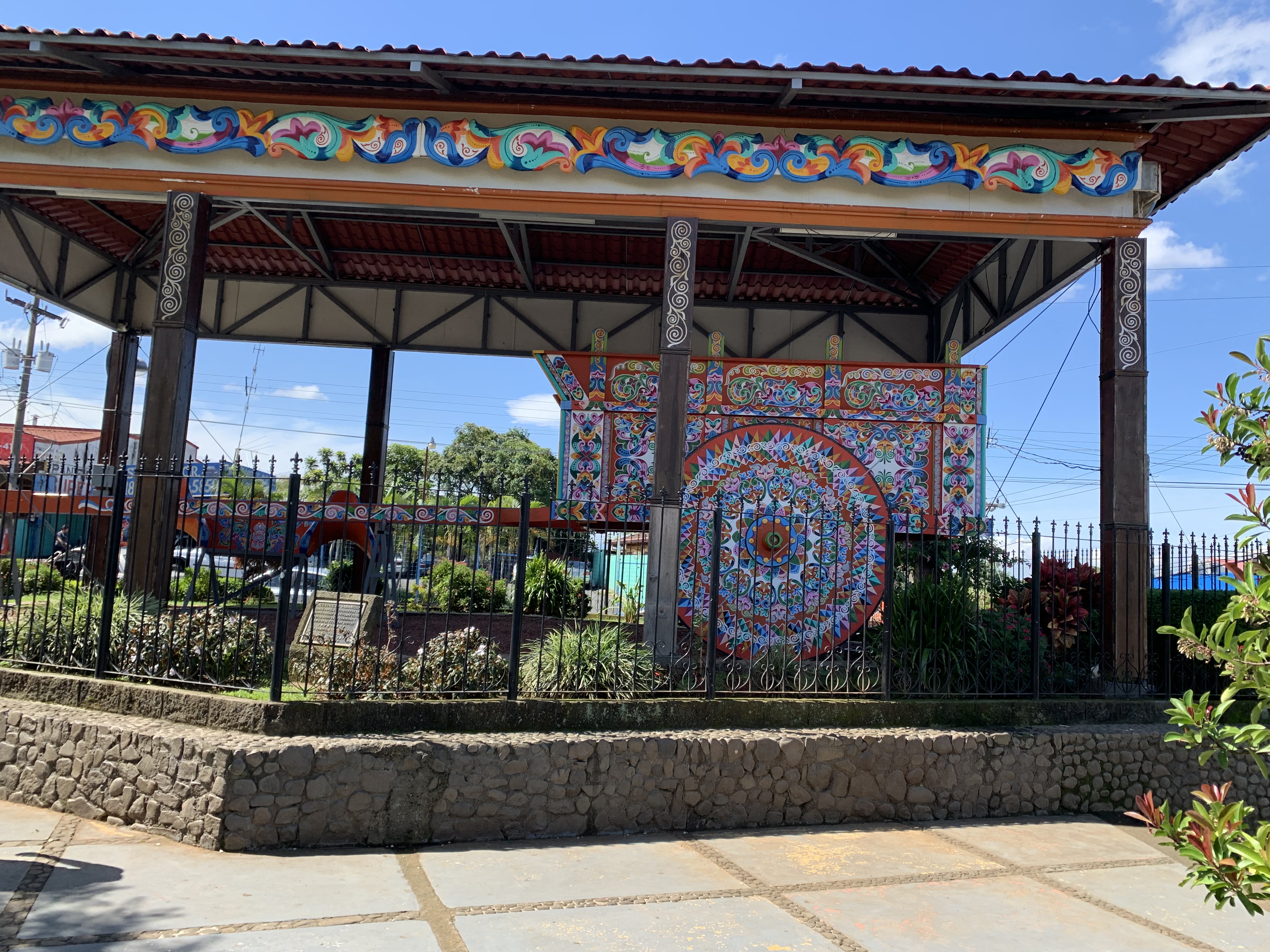
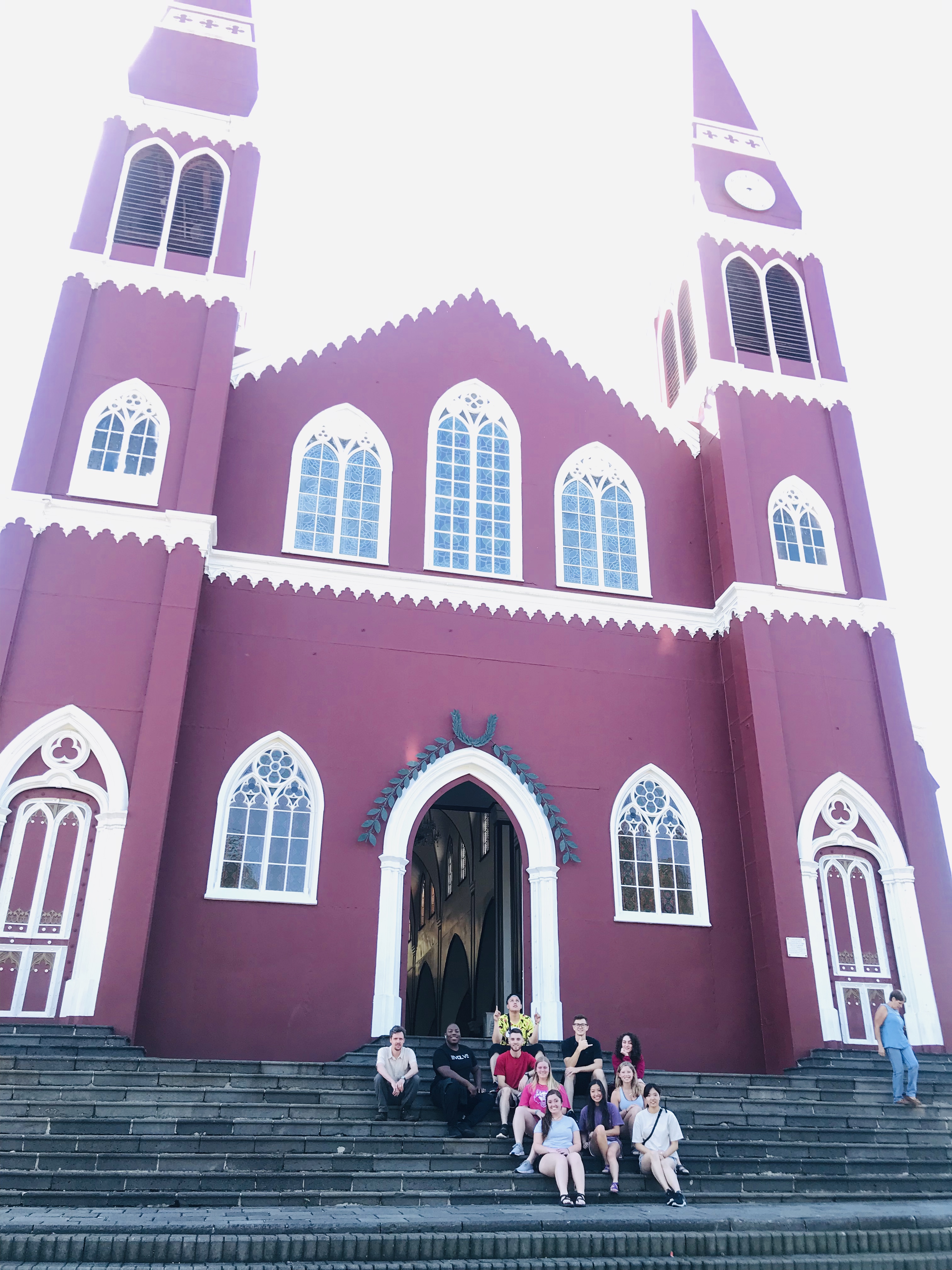
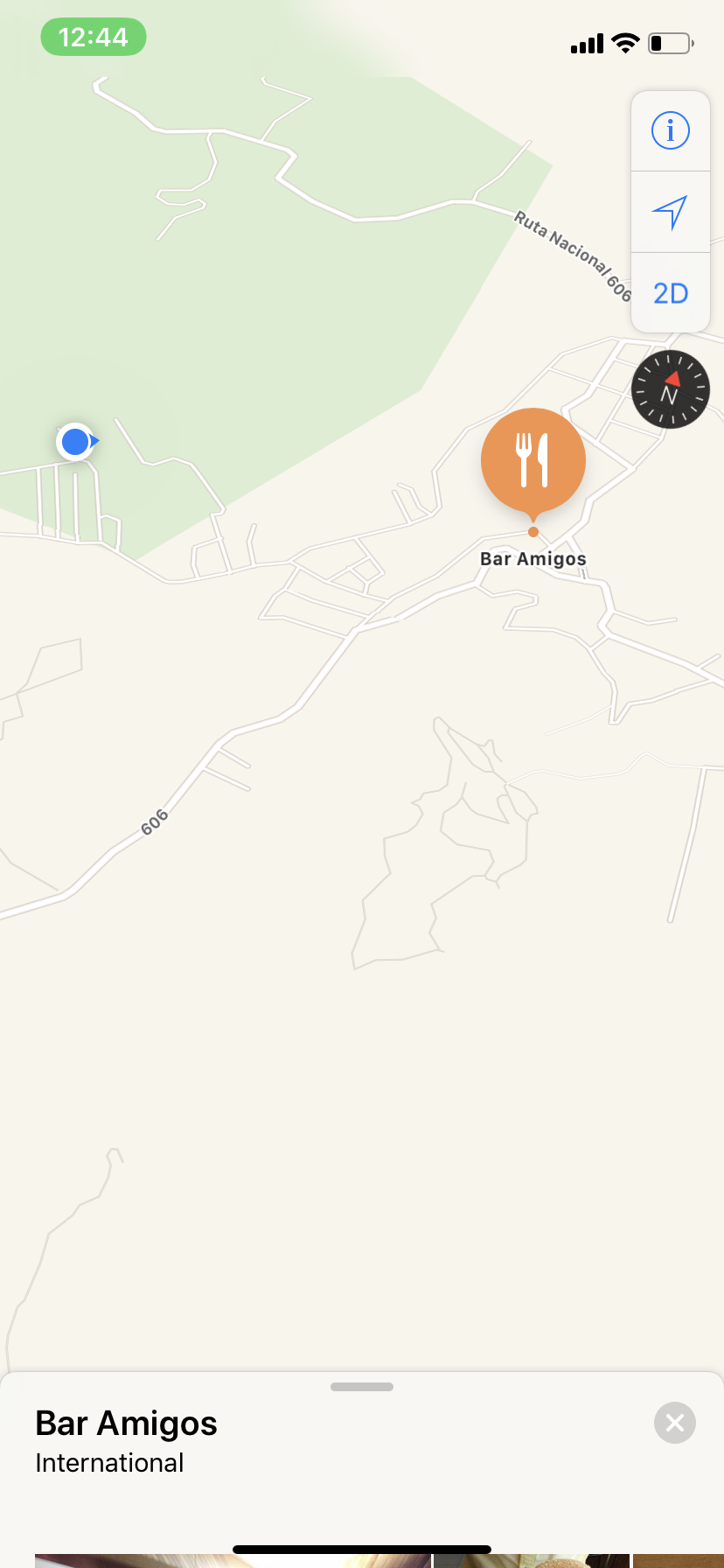
The National Museum of Costa Rica is a great place to stop first. You’ll be able to learn a lot about the history of this great country as well learn the origin of some of the art you see elsewhere. This is a hotspot for tourists. Although pretty dangerous due to its location many people stop here on their way to see theA alligators 🐊 all shapes and sizes these creatures are simply amazing!!This place alones contains so much history. Here they not only sell things the community makes but they also create and paint the wagons used to carry café like in the image. They paint these by hand and you can clearly see the time committed to making this great. This is one of the only two all metal buildings in Costa Rica. Another being a school, this building was made in Europe and sent over to be placed in this small town in Costa Rica. Obviously it is very beautiful on the inside also. Hands down the most beautiful park in Monte Verde. The beautiful plants and fountains placed in front of a church on a hill creates an environment of peace and harmony. Of course you have to visit a waterfall. This one specifically is a hotspot for tourists. The 500 steps down prepare you for an amazing experience of swimming with fish in a natural pool also known as a waterfall. Enjoy it while you can because the 500 steps up will definitely take the rest of your energy. c tour for sure is an absolute must. You get to see every single step of how the coffee you know and love is made, as well as chocolate and sugarcane. While you’re at it stop by bar amigos after a long day to relax and get your dance on. Disclaimer: please know what you’re doing if you get out there. No one likes a person that can’t dance. One of the worlds largest butterfly sanctuaries. Here you get to see every step of the life of a butterfly and also it’s secrets. It’s almost obvious that you have to stop by la casa de su familia Tica. These families have opened their homes for a student like myself to study and be immersed. They are awesome!!de you are cheating yourself. Enough said. Figured this was a pretty decent way to end my blog. This trip was truly amazing, eye opening, and also a great learning experience and I’m simply blessed to have been able to be a part.
Coming to Costa Rica as a vegan, I thought I’d be eating rice and beans every day for breakfast, lunch, and dinner. I was wrong. I won’t lie and say that being vegan in Costa Rica didn’t come with a few challenges, it did, but it was not very difficult and definitely not impossible. For vegetarians, its a breeze, almost everyone in Costa Rica knows about a vegetarian diet, and its actually relatively popular compared to the US. Vegan, however is not as well known, but I was never found a situation where I didn’t have anything good to eat.
The Food
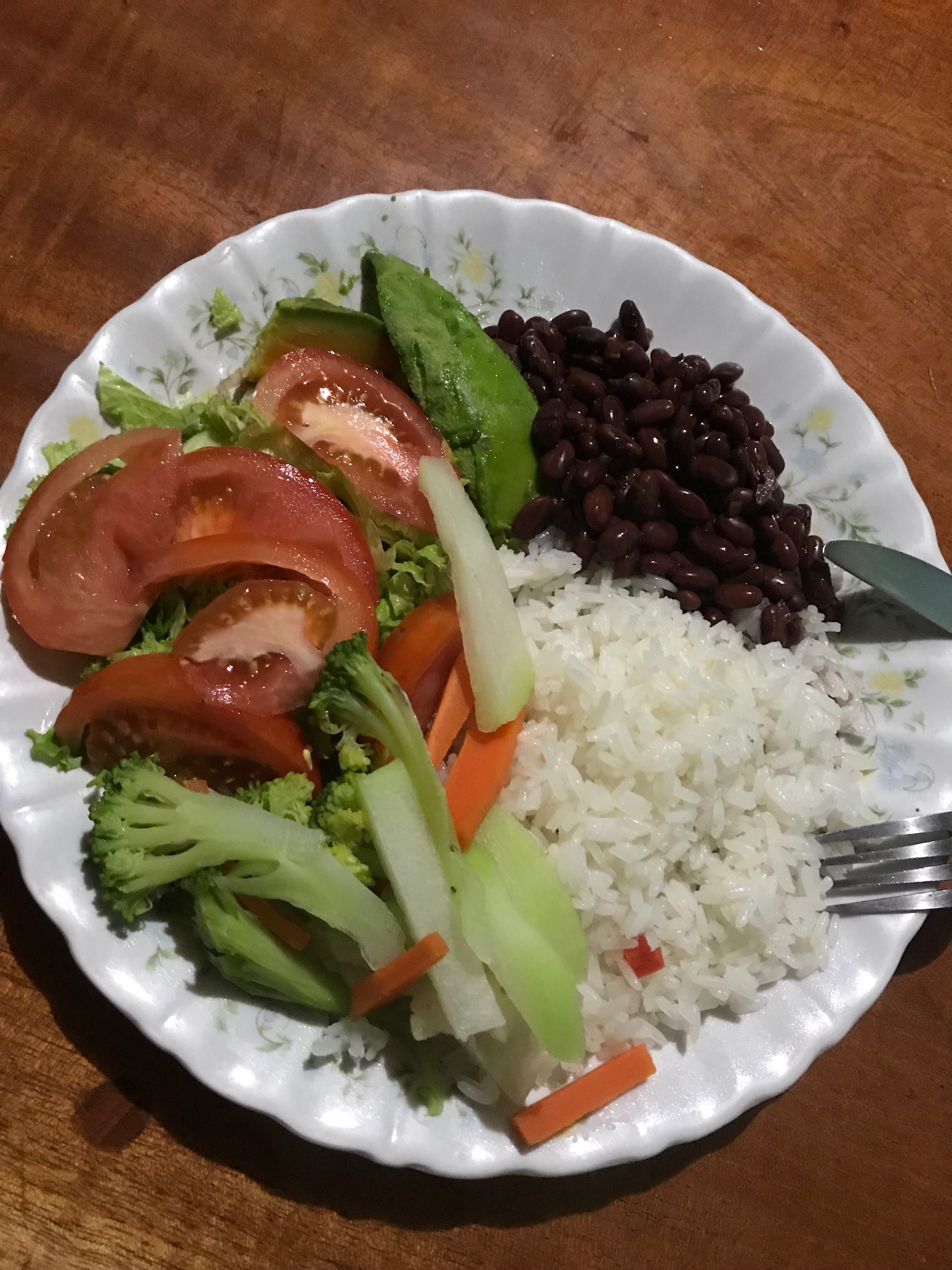
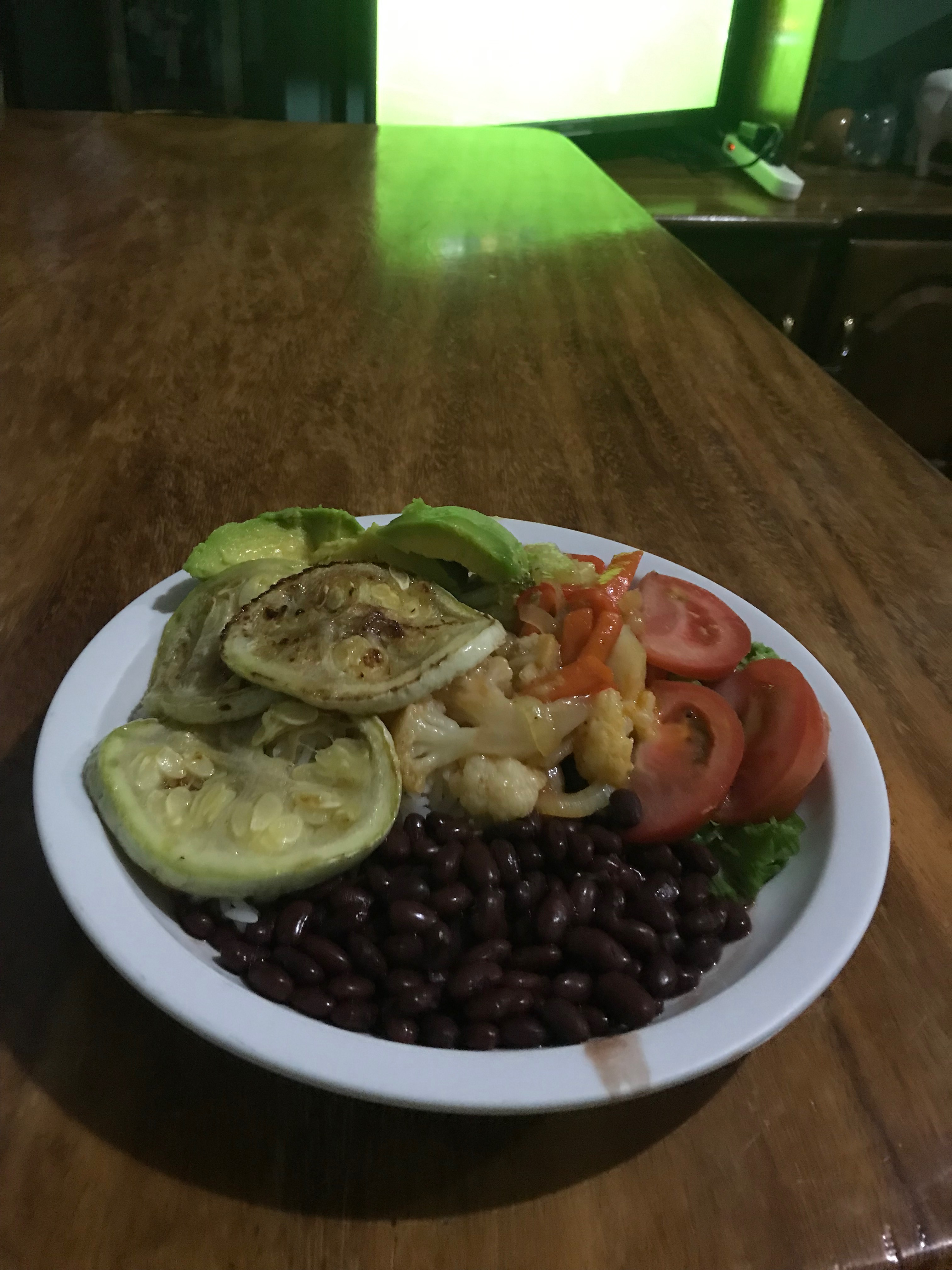
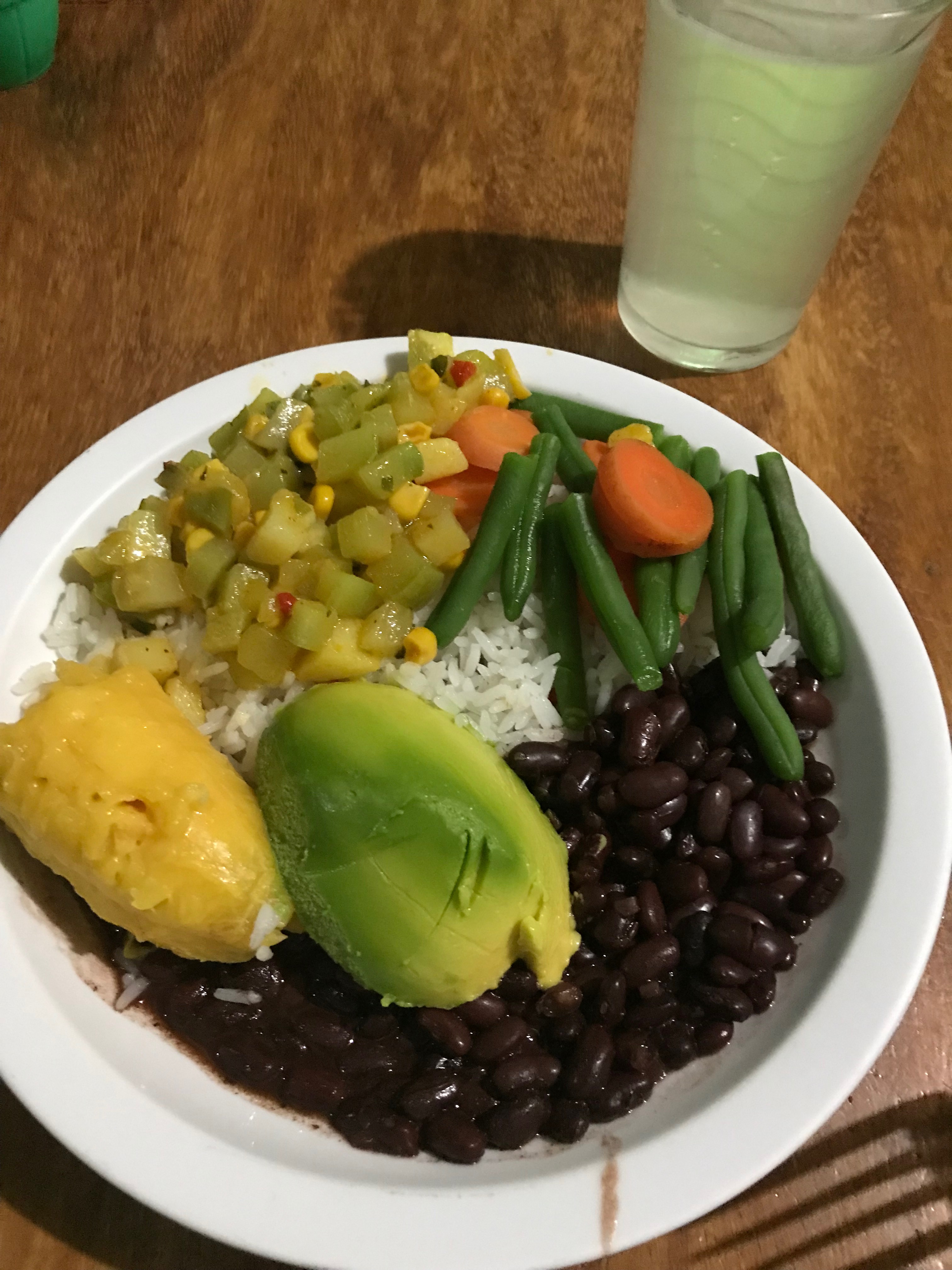
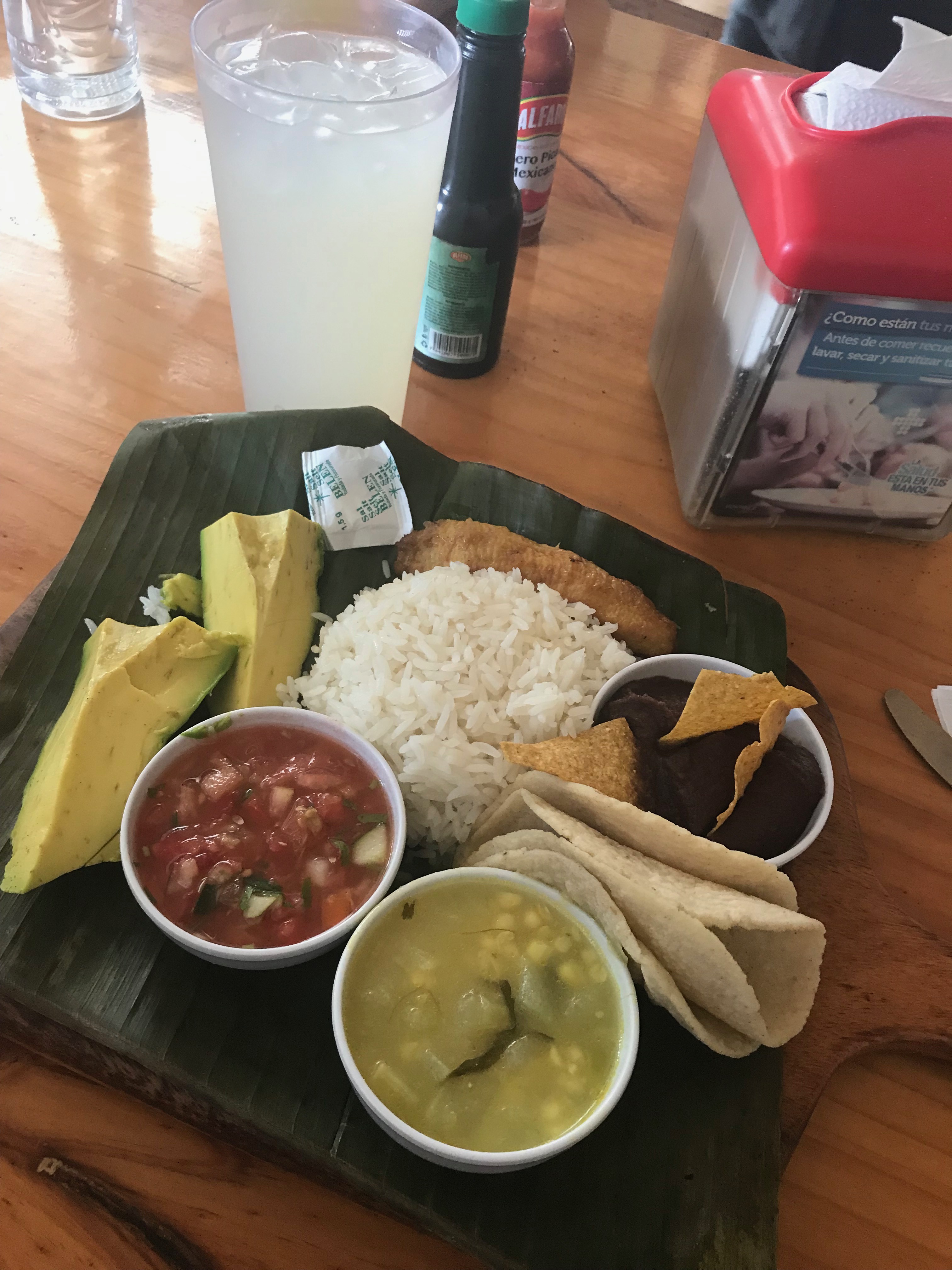
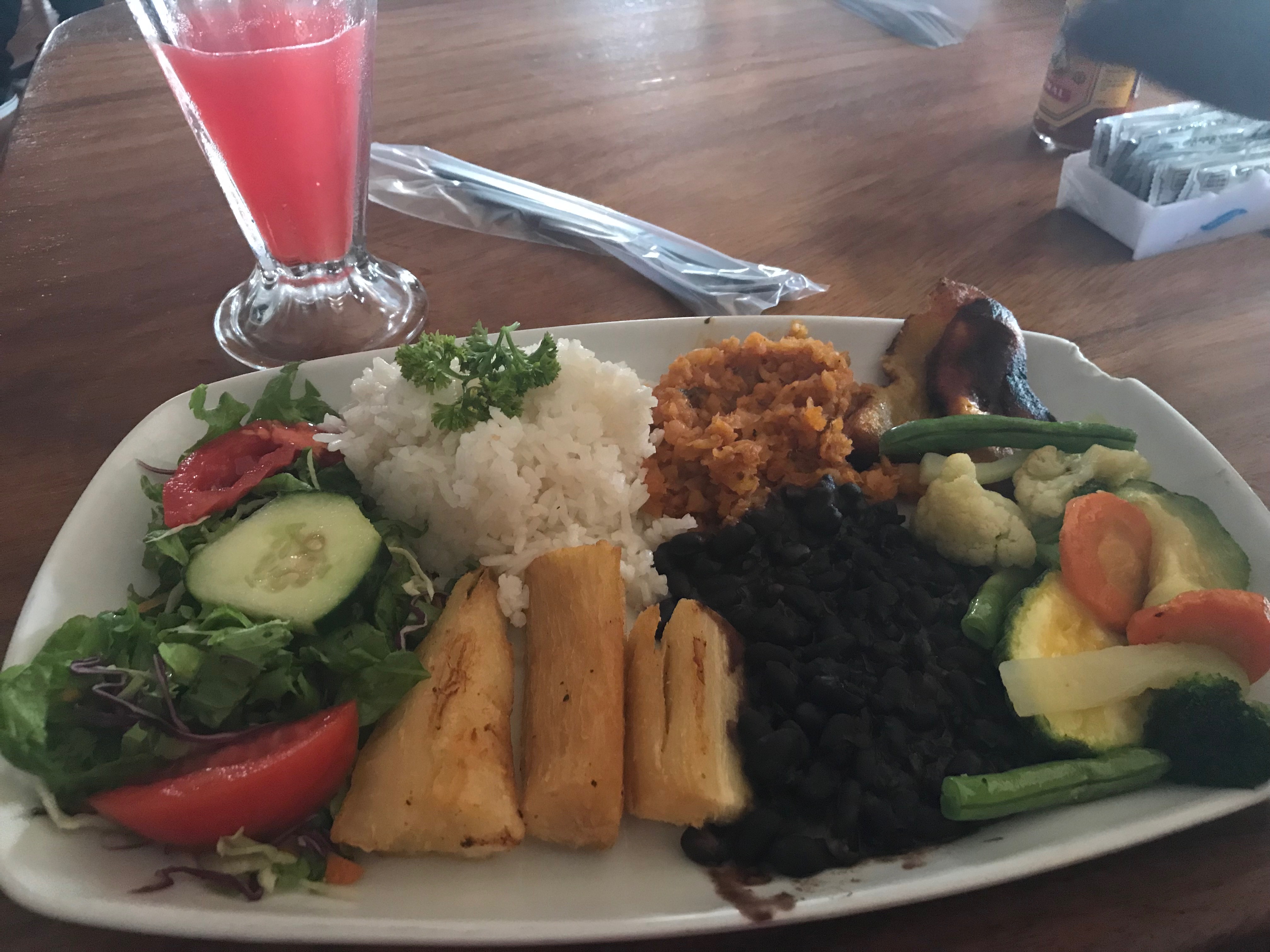
These first few meals are various forms of vegan “casados”. This is probably the most common dish served in Costa Rica. Although most Costa Ricans make their casados with some form of meat, you aren’t missing out on much by not having it. A casado basically has all the necessities of a perfectly balanced meal, traditionally it is made of rice and beans, a salad, fried sweet plantains, and a protein.
Let’s start with the basics. This is going to be your go to meal if you don’t plan on eating out often. Rice, beans, grilled vegetables, and salad. Very basic, very cheap, and very easy to make. Although it is a very basic meal, it doesn’t taste like it. The fruits and vegetables in Costa Rica are as fresh and ripe as can be. Another version of the basic meal. Everything you need to fuel your body on one plate, ready in 10 minutes or less. I just want to reiterate how much better the fruits and vegetables are compared to the US. Everything tasted like it was homegrown because most of it probably was.Another plate very simple to make plate with a few more additions. The diced vegetables on the top left of the plate is a must try, called “picadillo”, absolutely amazing. The strange yellow looking blob under that is fried banana, which they have in the US, but I’d never tried it. It was surprisingly good. This is one of the casados I had at a restaurant. A few more ingredients and a little bit more style, but still a very delicious and nutritious meal.This was probably the best version of the casado that I had while in Costa Rica. As you can see, it is not really anything fancy. All you need is fresh, ripe, and whole foods to make an amazing meal. I’d also like to point out the potato like vegetable next to the salad. It is called yucca, its very similar to a potato, and just as delicious.
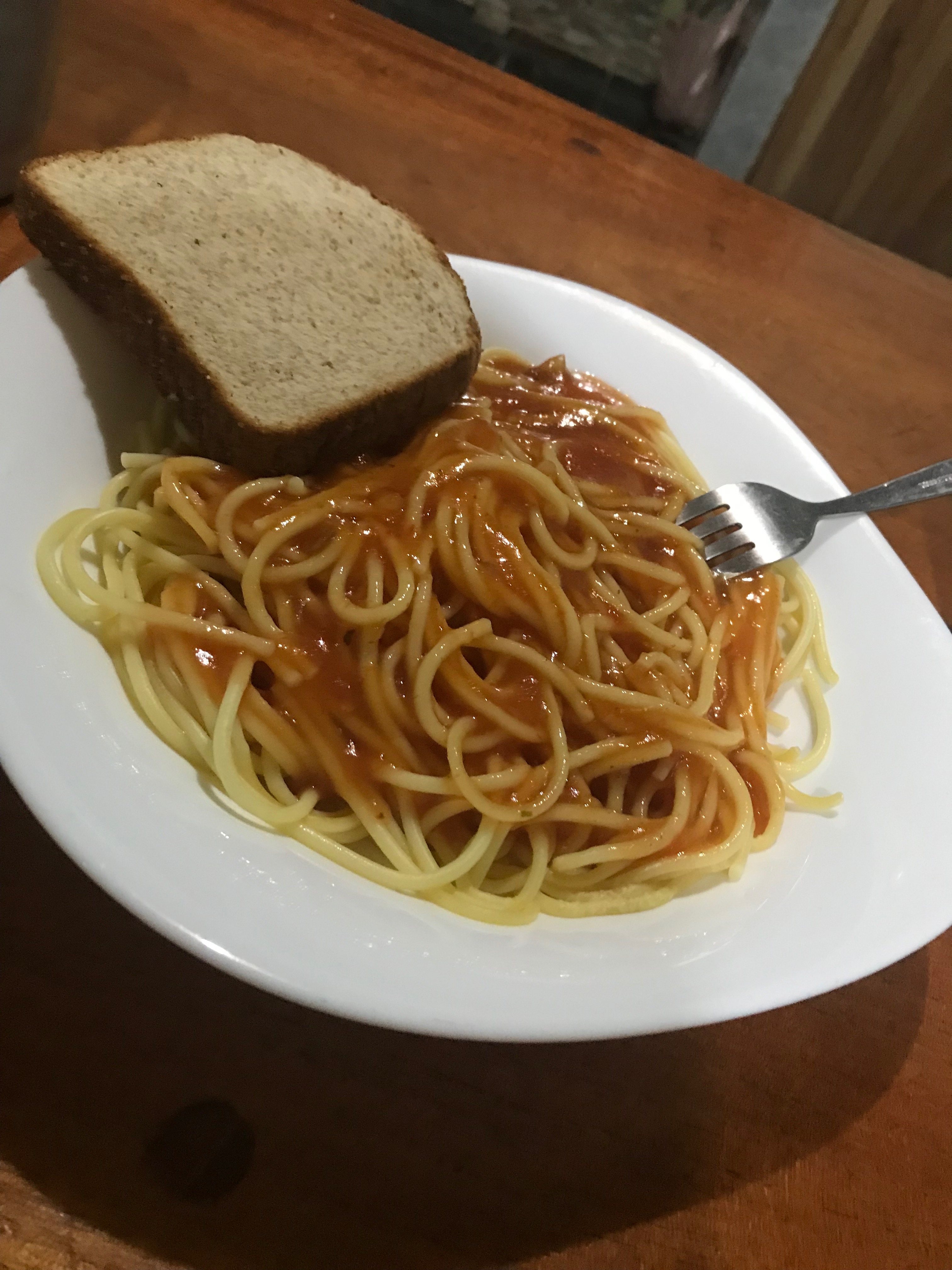
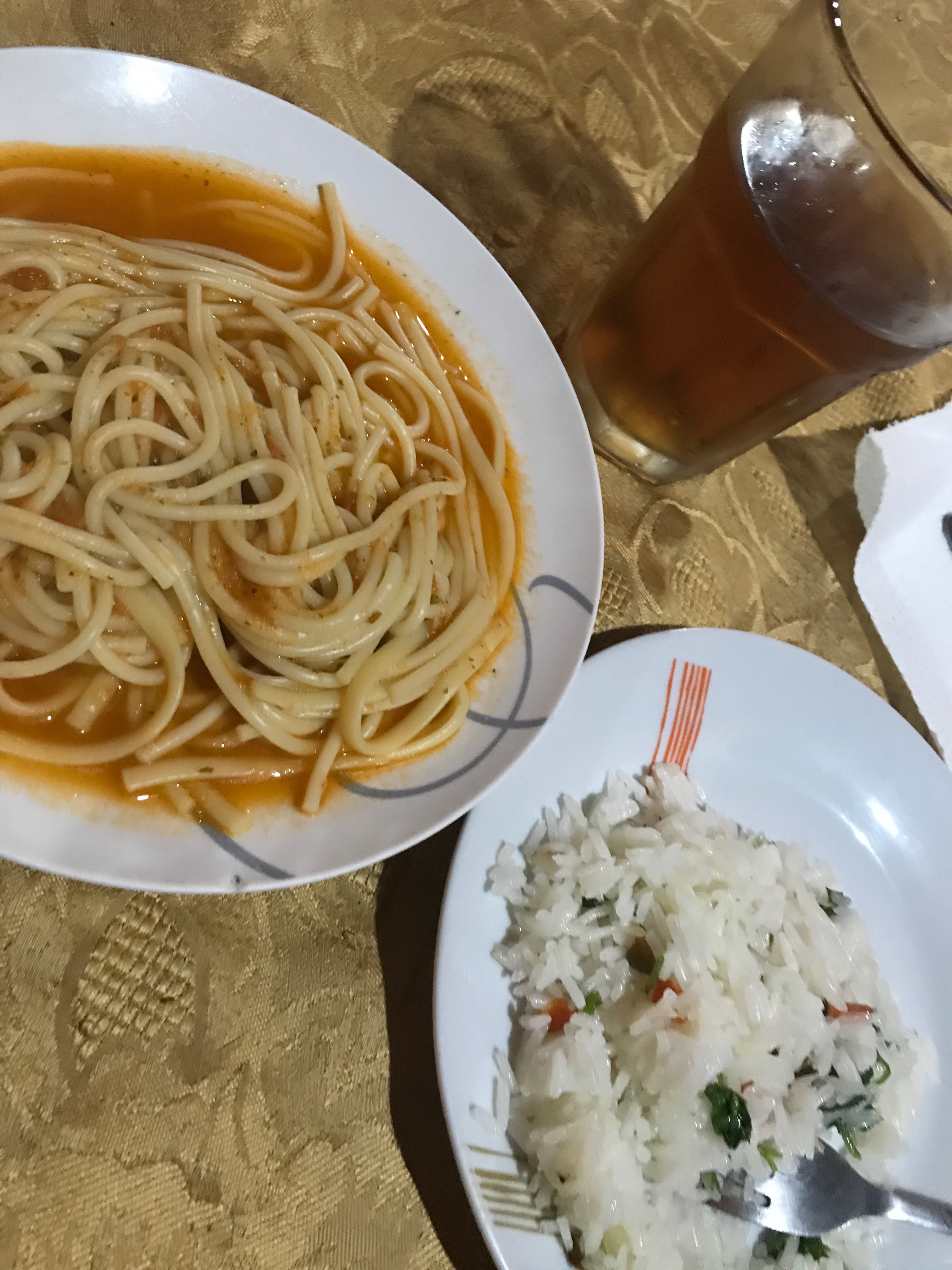
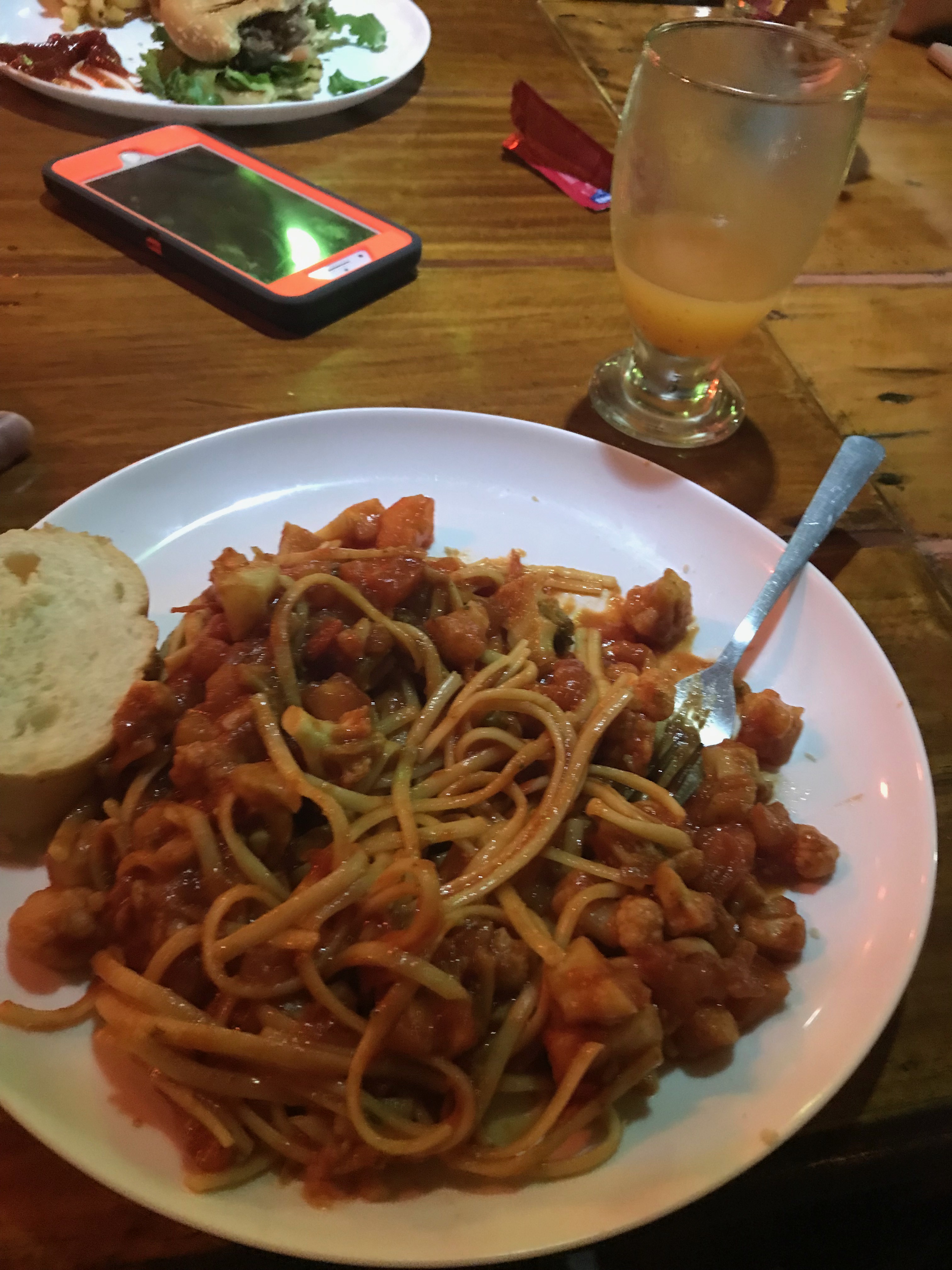
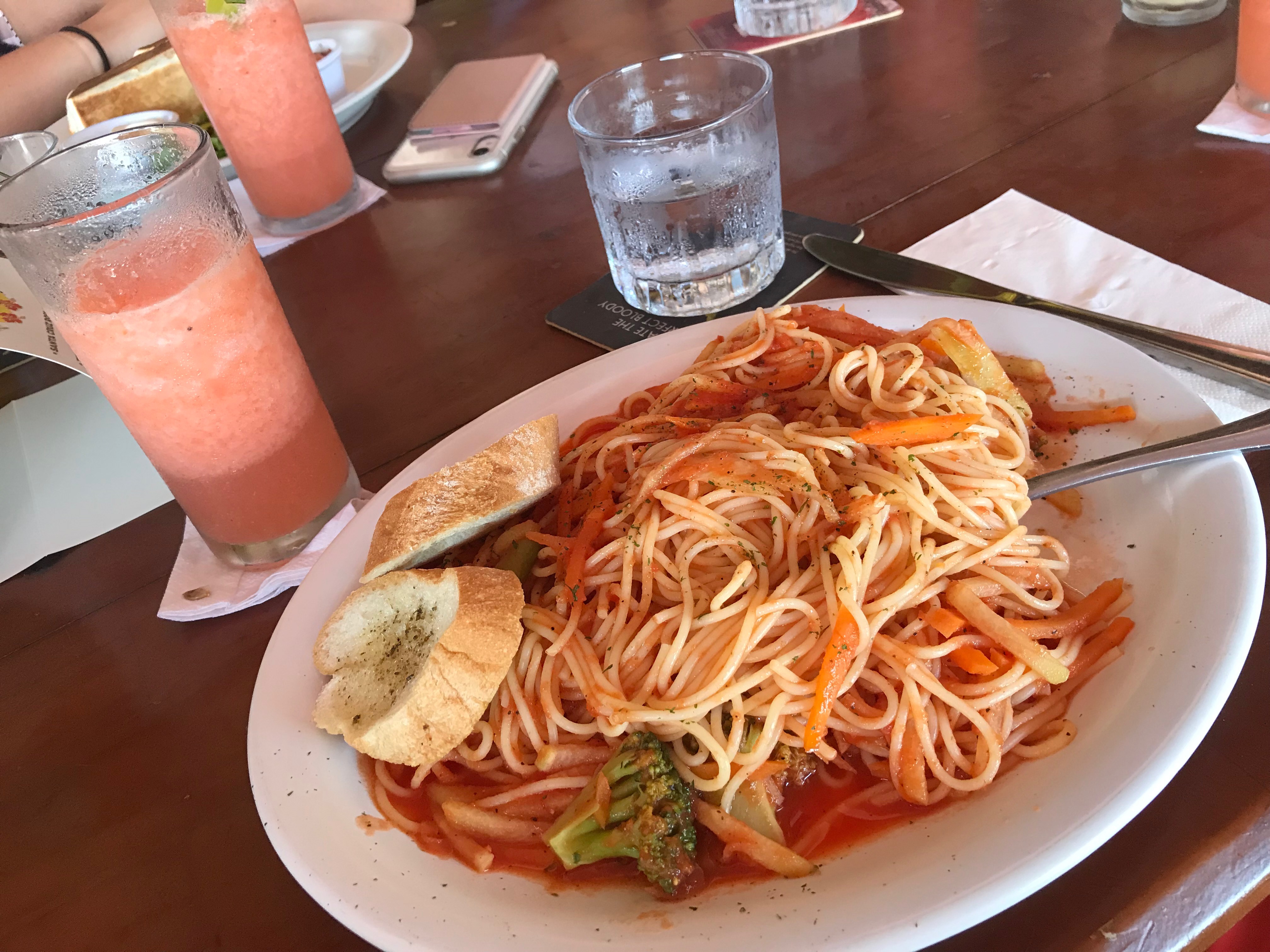
Next, is a meal that most vegans from the US probably know pretty well. Most people in general probably know it pretty well. Spaghetti. Spaghetti Pomodoro specifically.
Spaghetti, plain and simple. One of my personal favorite meals back home, so it helped me from getting too homesick. Just spaghetti again, but this time with rice. Because they eat rice with almost anything. Spaghetti mixed with some veggies at one of the restaurants we went to. Spaghetti may not be a staple of the Costa Rican diet, but it is popular. Some of the best spaghetti I’ve had in my life. This was one of the only veggie options at this particular restaurant, but it was good enough that some of those that ordered a non-vegan option told me they’d wished they’d have ordered this instead.
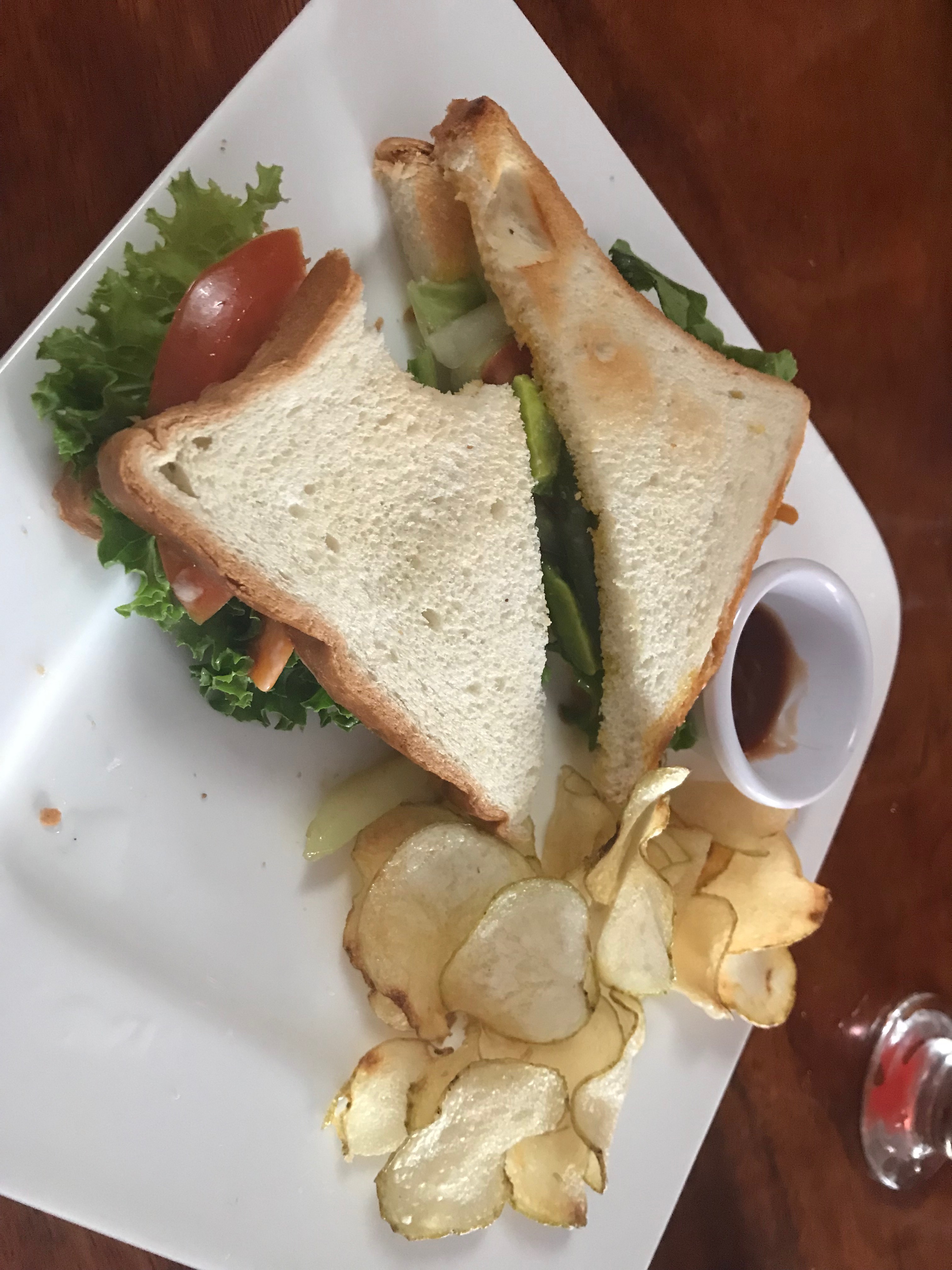
For those too lazy to cook but too cheap to fine dine, I recommend the “sodas”. Everywhere you go, theres likely to be a few “sodas” which basically means really good, probably cheap food. Similar to “hole-in-the-wall” restaurants in the US, these sodas made up for their lack of showmanship with taste.
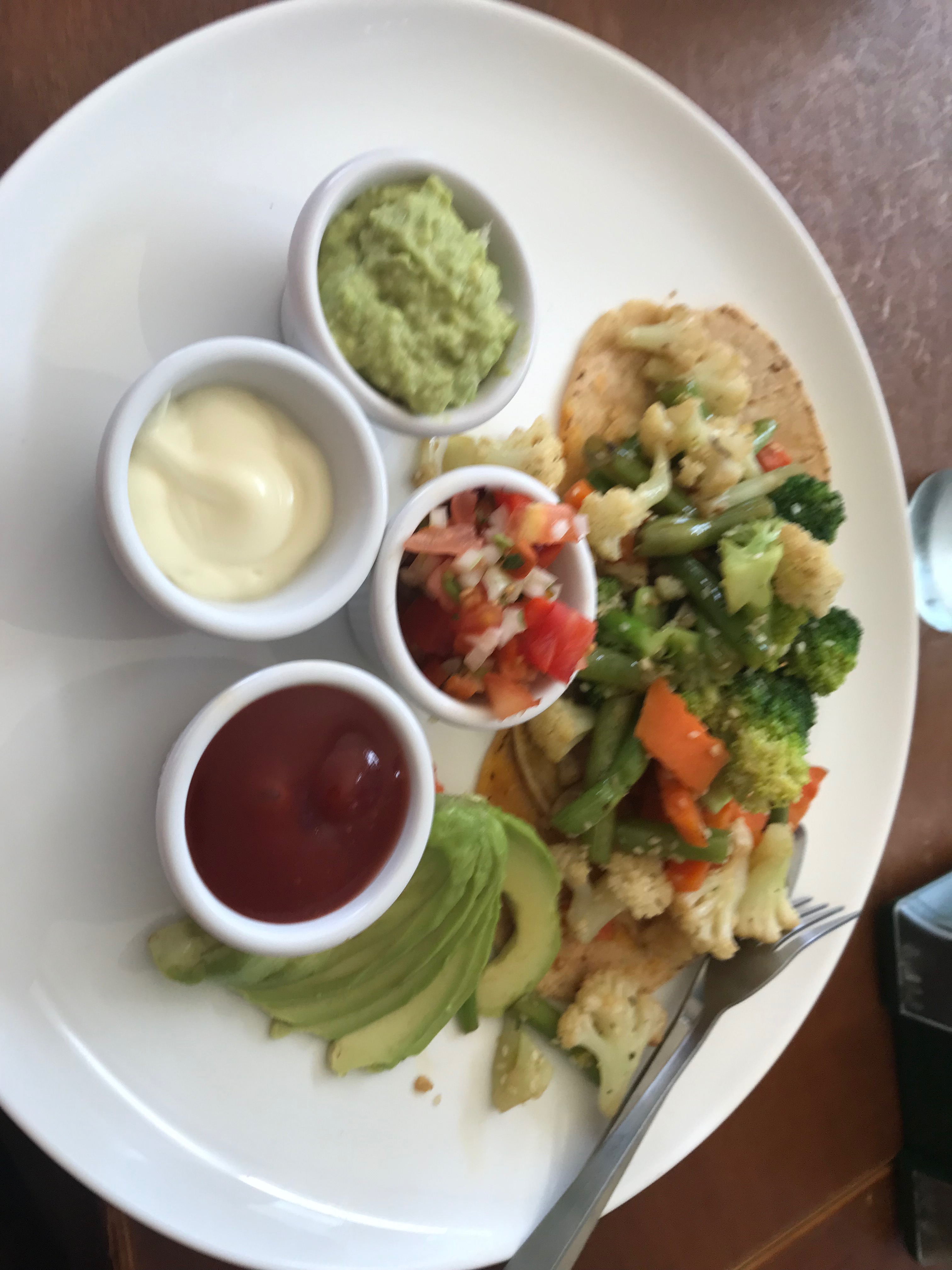
This is one of the veggie sandwiches I had special made in one of the sodas. I asked if they had vegan options, (“¿Tiene comida vegana?”- very important phrase to know) and she asked if I minded getting something off menu. Apparently the chef was vegan, so he knew what he was doing when he made this very very tasty sandwich. Some fajitas vegetarianas at another soda we tried. Be warned, “vegetariano” can mean both vegan or vegetarian so always double check.
For those who don’t mind to pay tourist prices, there is some great food at most of the “fancier” restaurants.
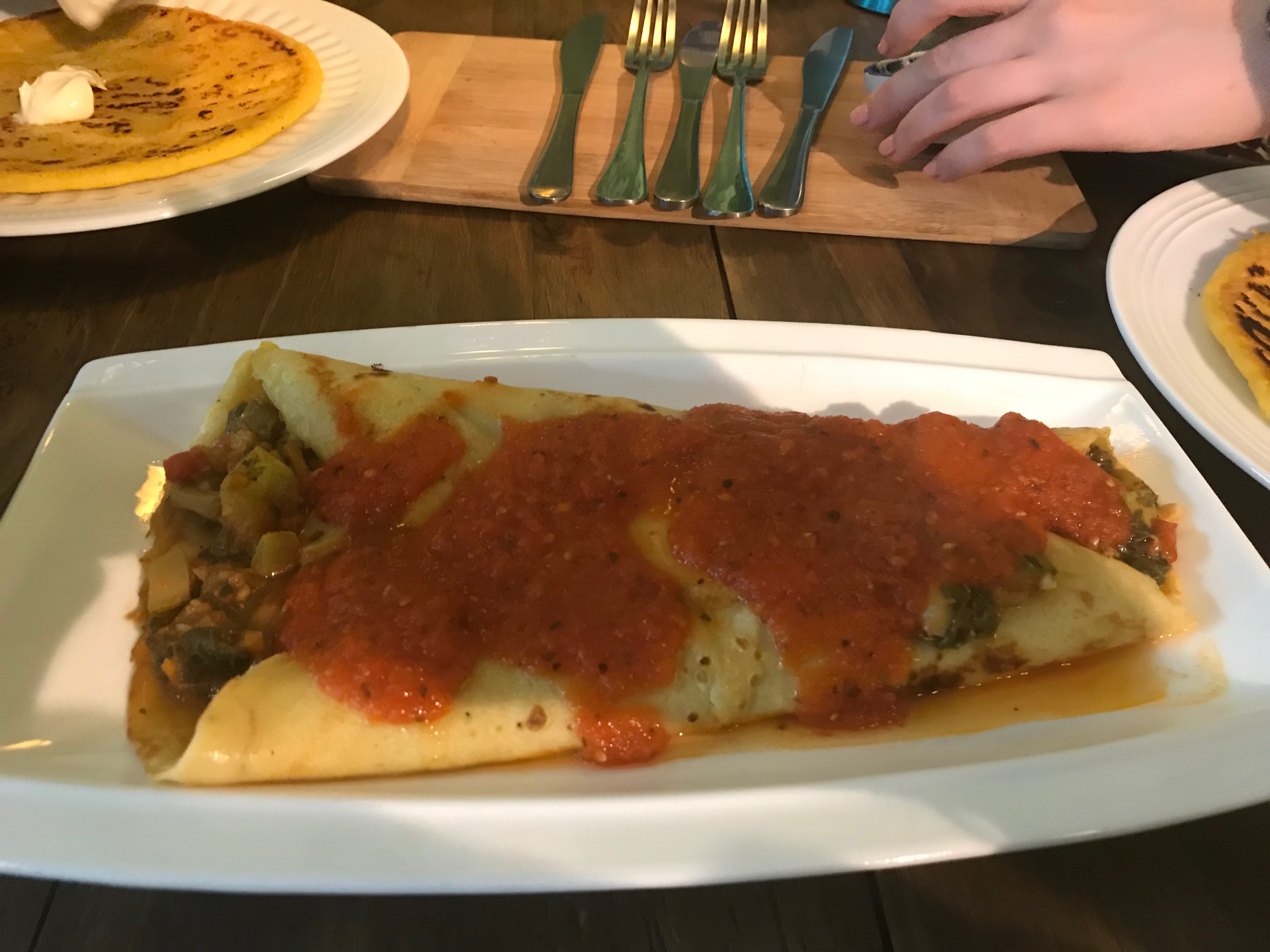
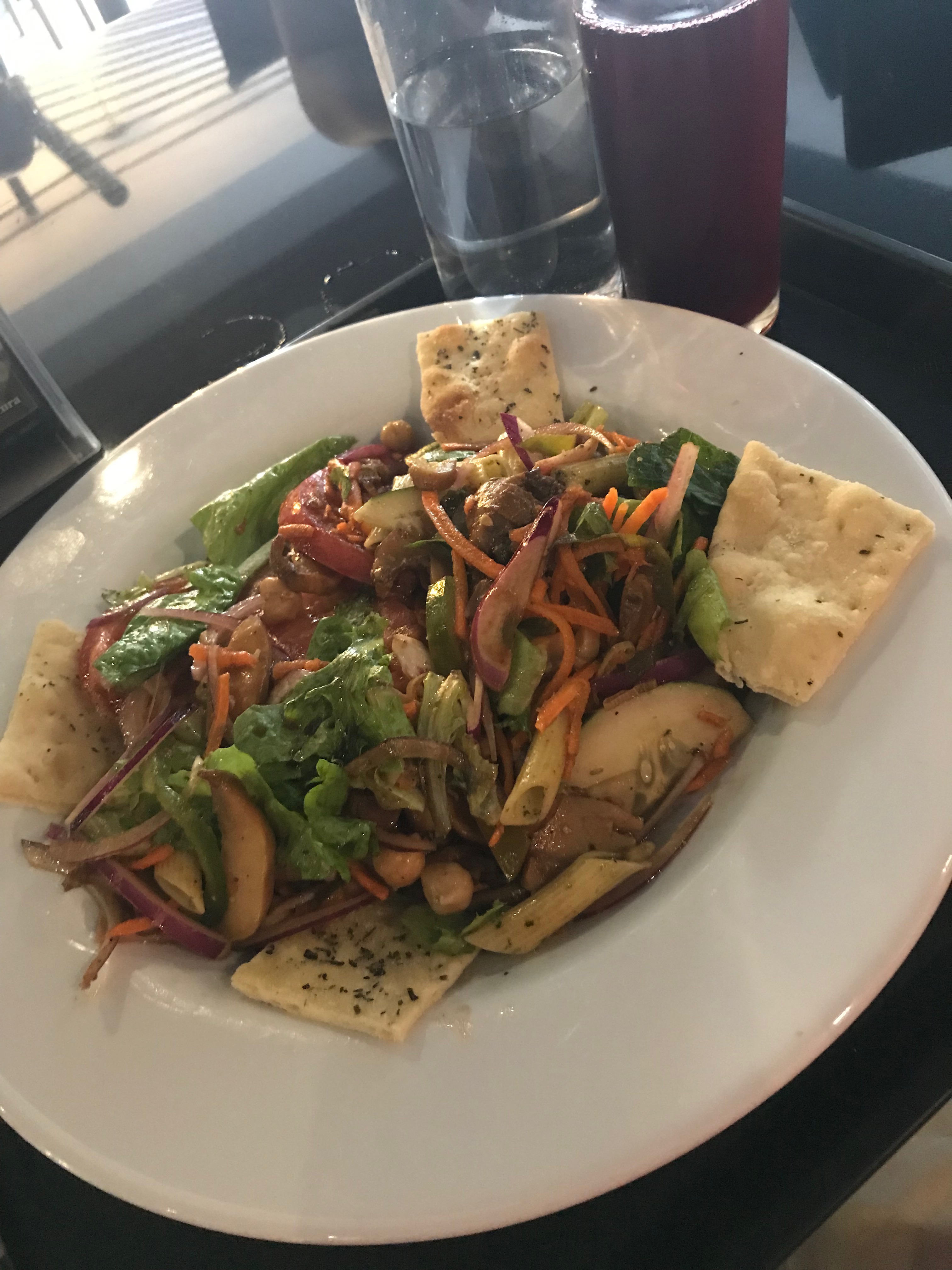
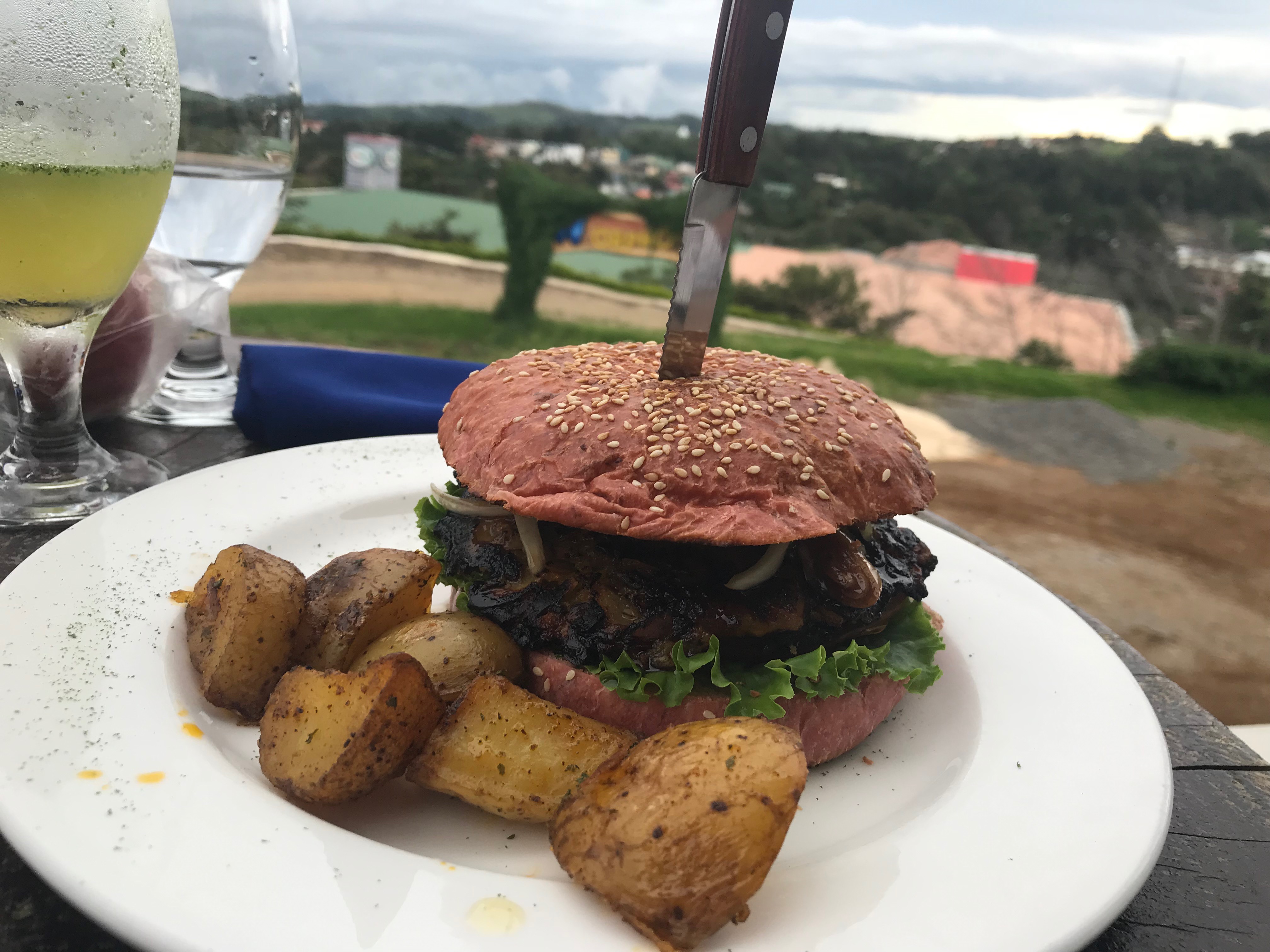
I honestly don’t remember what this dish is called, and I don’t really even know if its a typical Costa Rican food, but I do know that it was delicious. I found this gem in the first week at a restaurant called “Parrillita de Pepe” This was literally just called “Vegetariano” or “Vegetarian” in English, even though it was vegan. Absolutely amazing and found at a small chocolate shop/cafe called “Sibu Choccolate Escazú”.If there is anyone out there that thinks vegans only eat salad, just know that this was the only full sized salad I ate the entire time, and this salad absolutely blew me away. It was at a restaurant that worked in a similar way to Subway with lots and lots more options. I don’t know the name of the restaurant but this may have been the best salad I’ve ever had. IA vegan burger with a side of potatoes. A Costa Rican version of one of my absolutel favorite meals. This was served with a “red bun”; I’m not sure what the difference is other than it is red, but it tasted great. This was at a restaurant called “Orpho’s” and it had great service, and a great location on top of a hill that made it the perfect spot to enjoy a cruelty free meal and watch the sunset.
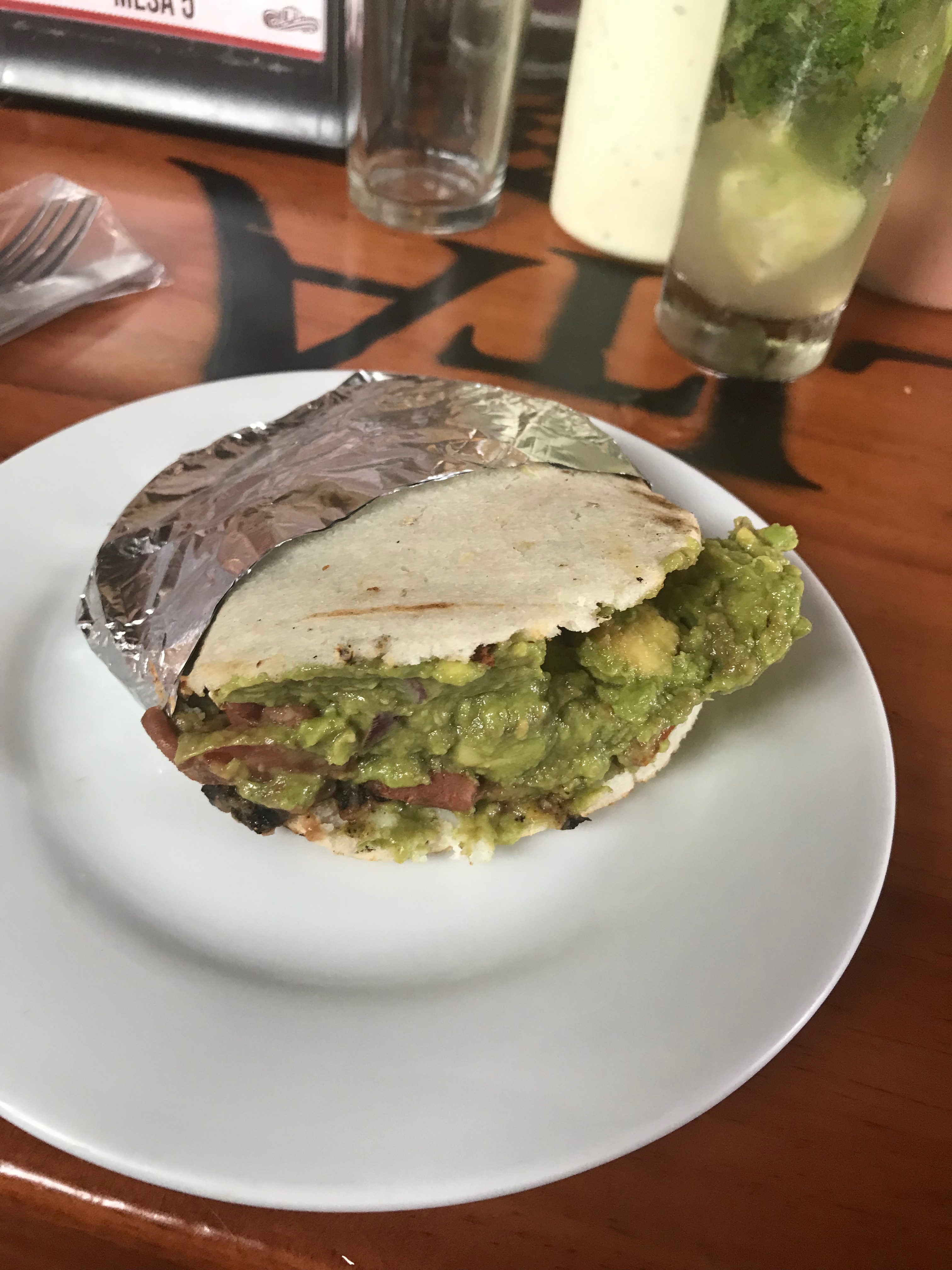
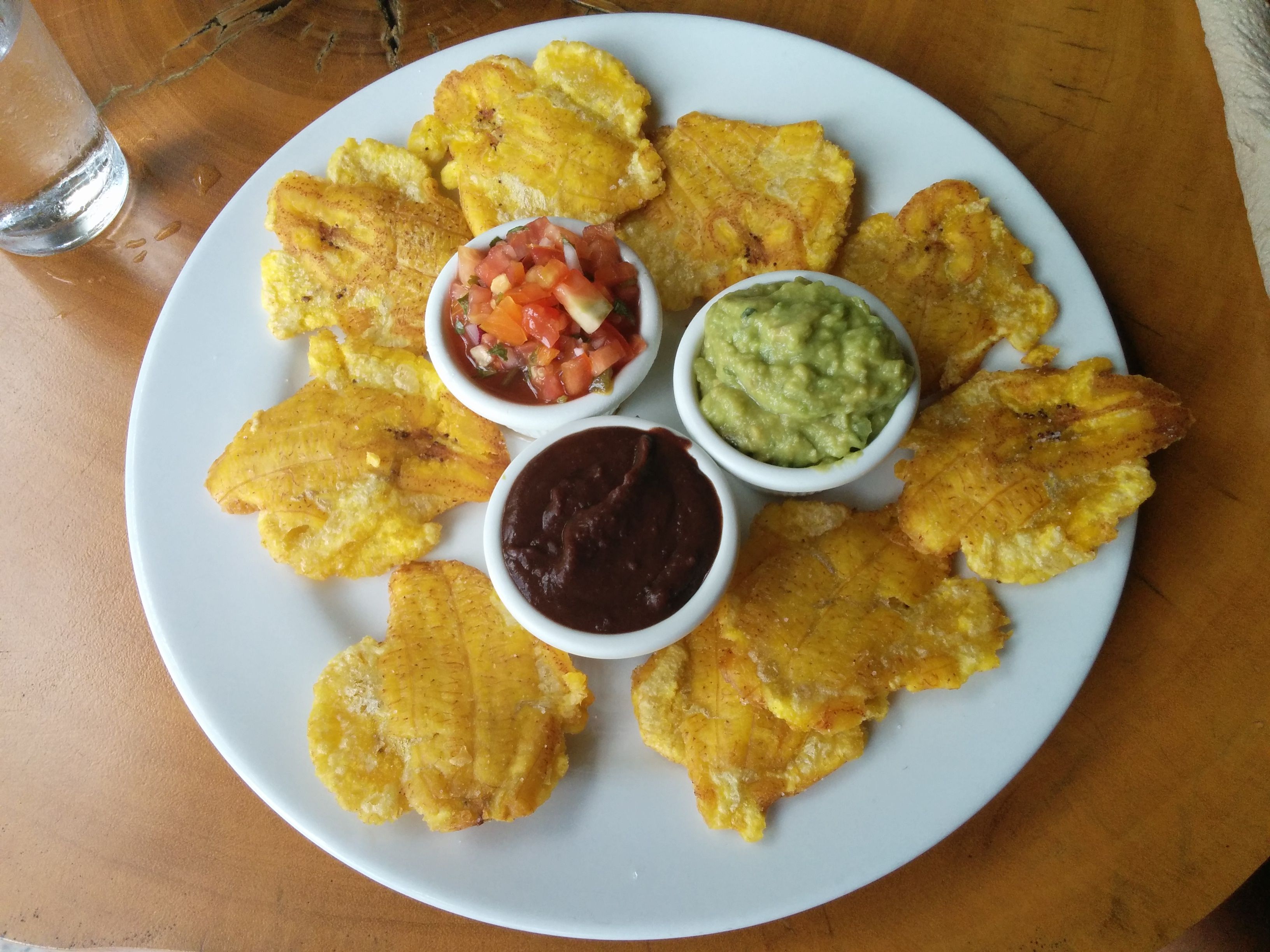
I saved this one for last because not only was it one of my favorite meals, it was everywhere from some of the fanciest restaurants to the cheapest sodas. Patacones y Frijoles.
Often served as an appetizer for many to share or a meal for one. This is a very simple recipe, but one I’m going to bring back with me to the US. First, slightly cook a peeled plantain. Then smush it flat. Then fry it. Serve with refried beans, guacamole or avocado, and pico de gallo. I highly recommend this meal.
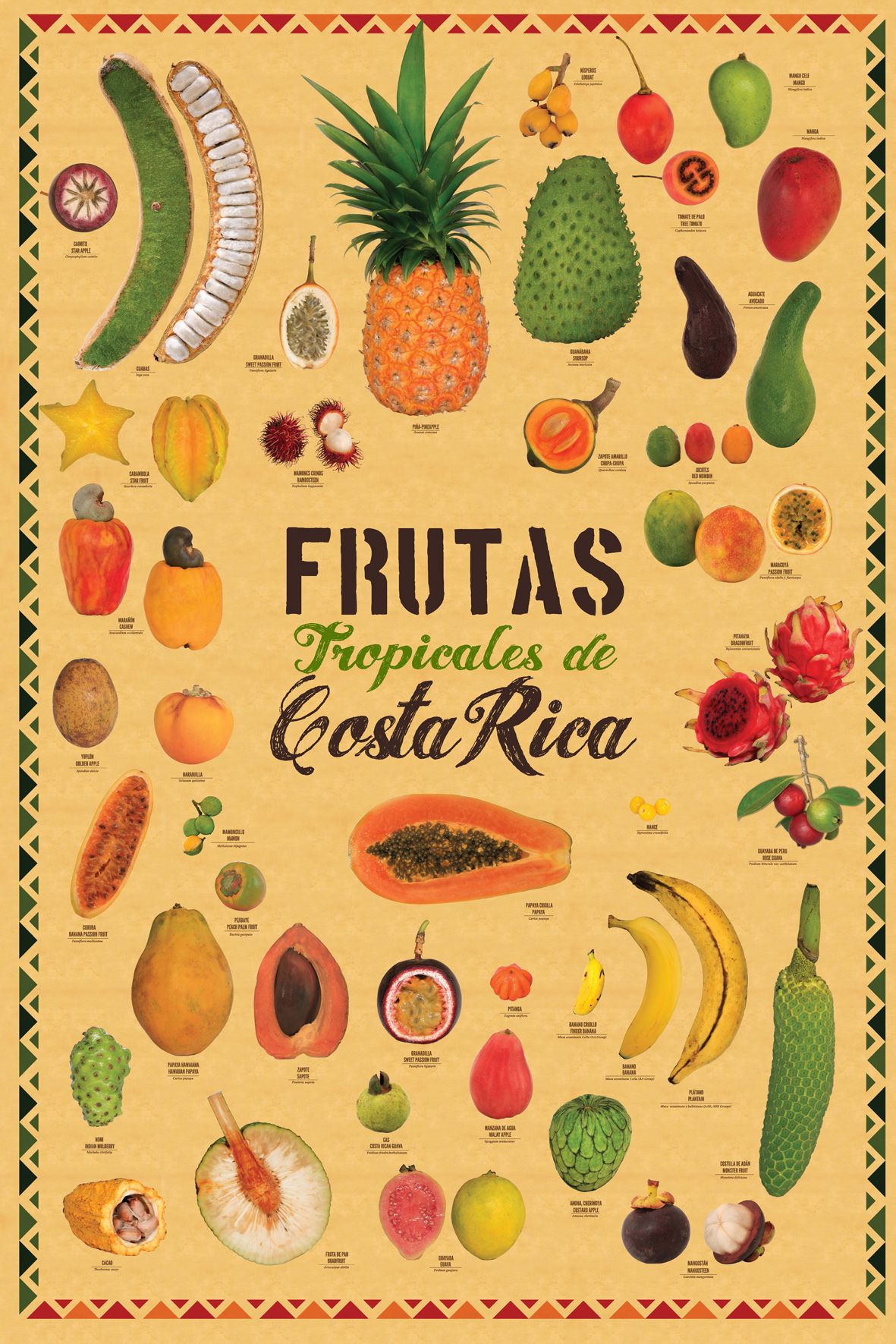
Fruit! There is so much fruit in Costa Rica that I’d never even heard of!
Not only are there many many different types of fruit, almost all of them are better than in the US because of the tropical lands and almost all of it being grown and bought locally. I especially recommend the mamones chinos and the guanábana.
General Tips for vegans planning a trip to Costa Rica.
If you don’t speak spanish, learn these phrases.
I am a vegetarian -> Soy vegetariano/a
I am a vegan -> Soy vegano/a
I do not eat meat (or chicken or fish) -> Yo no como carne (o pollo o pescado)? (For some; chicken or fish aren’t considered “carne”, so be careful.)
I do not eat eggs -> Yo no como huevos
I do not eat/drink milk -> Yo no como/bebo leche
Is there milk? -> ¿Hay leche?
Is there butter? -> ¿Hay mantequilla?
Is there meat? -> ¿Hay carne?
Bring or buy some snacks! This is just a general tip for anyone traveling, you never know when you’ll get hungry and not have any chance to eat anytime soon. I recommend granola bars, peanut butter, chips, or fruit!
Never be afraid to ask questions! While not every restaurant I went to or every person I talked to understood veganism, something US vegans likely understand well already, everyone was very nice and accommodating. You may find a restaurant that doesn’t have many options, but if you ask, you may just receive a special off menu item thats better than anything on menu, and its cheaper. (Happened to me twice)
Being vegan in Costa Rica did take some extra planning, I did have to pay extra attention when going out to eat, and I did end up eating a lot of rice and beans. However, at no point did I ever regret being vegan. I still ate great foods, I still made new friends, I still got to experience a completely new culture and language, and I still didn’t have to contribute to the death of any animals. That sounds like a win in my book.
As someone whose life is fueled by it, I only saw it fit to dive into the careful planning, hard labor, and intricate processes behind my favorite part of my morning routine- coffee.
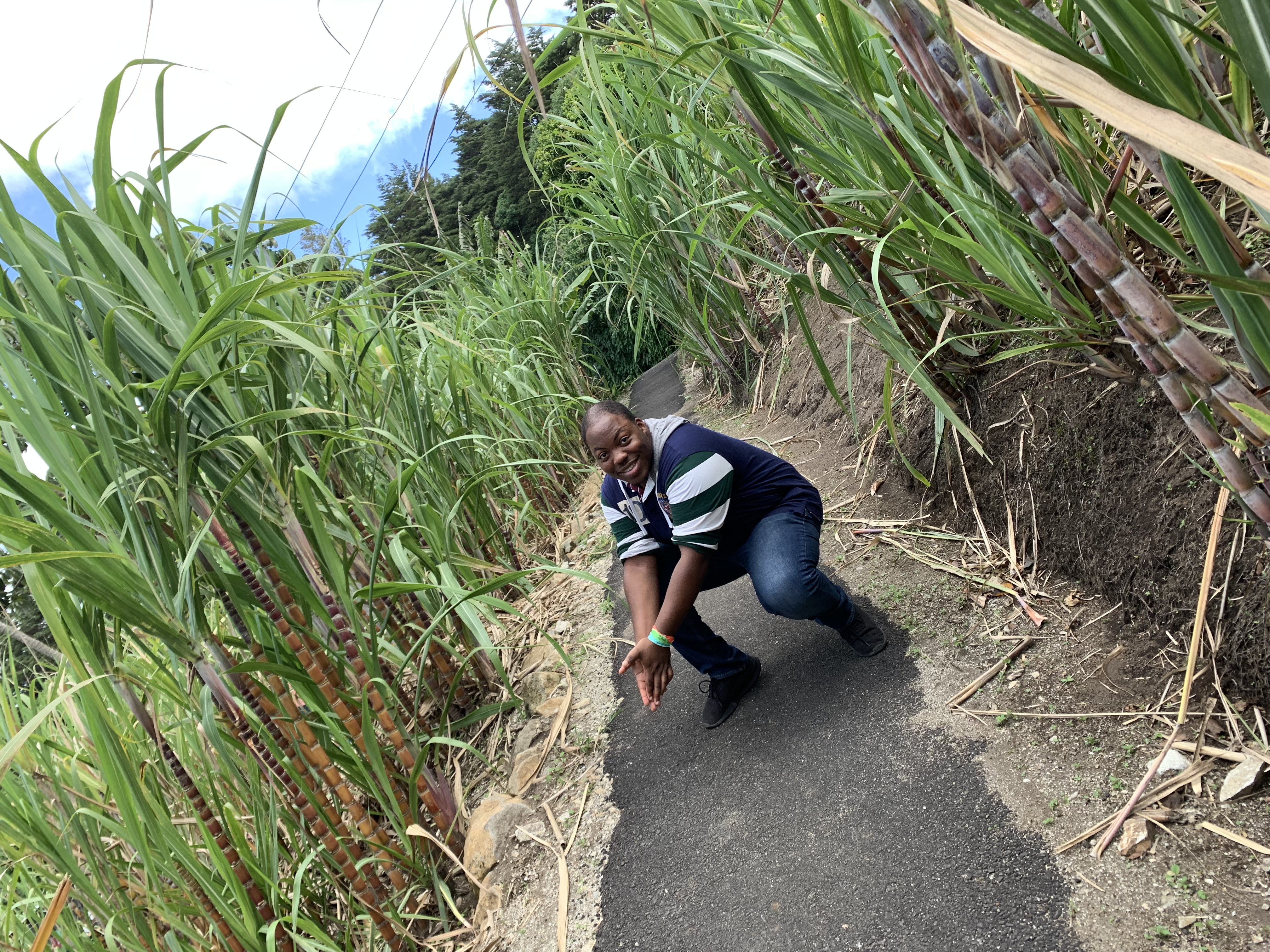
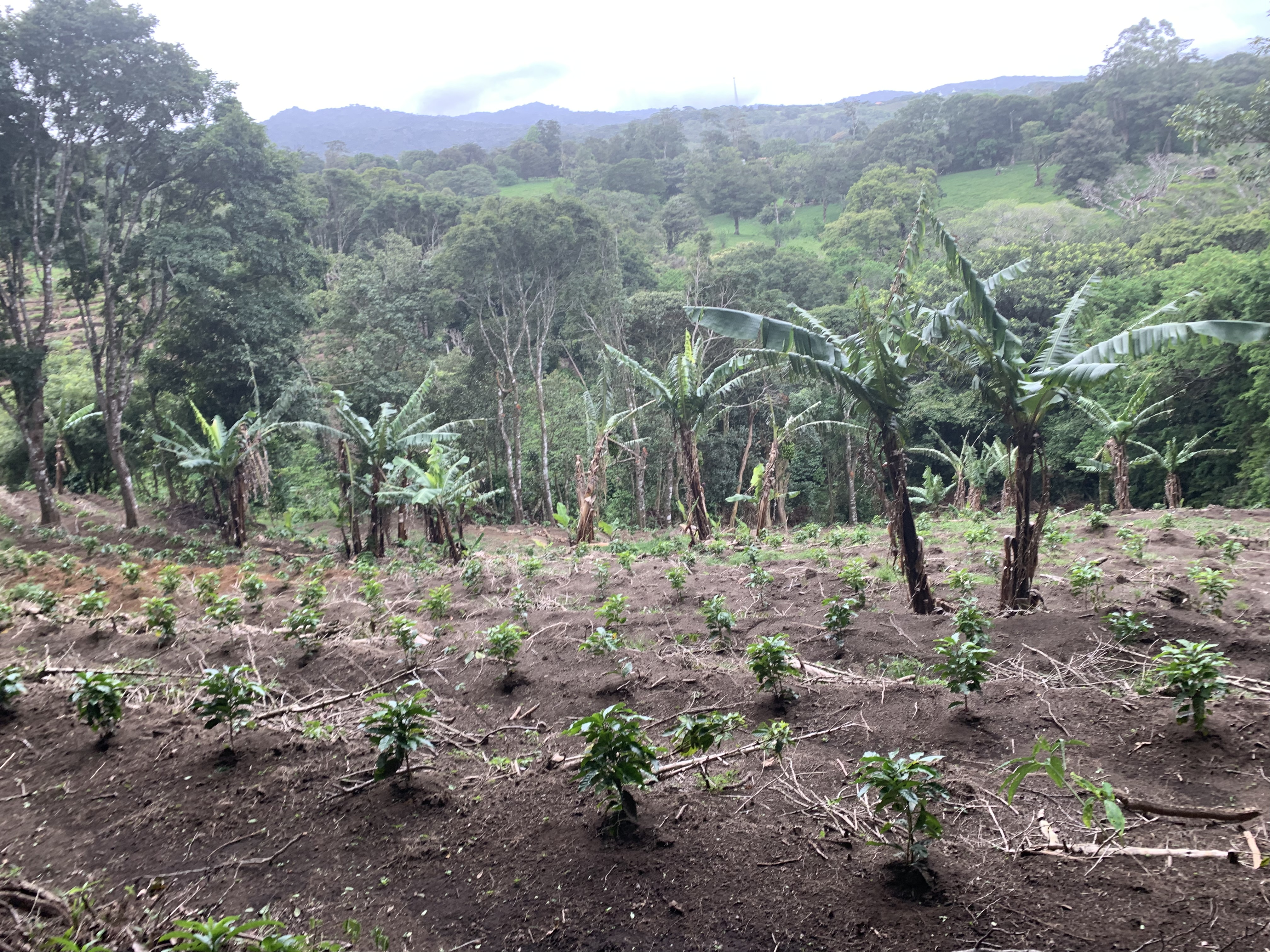
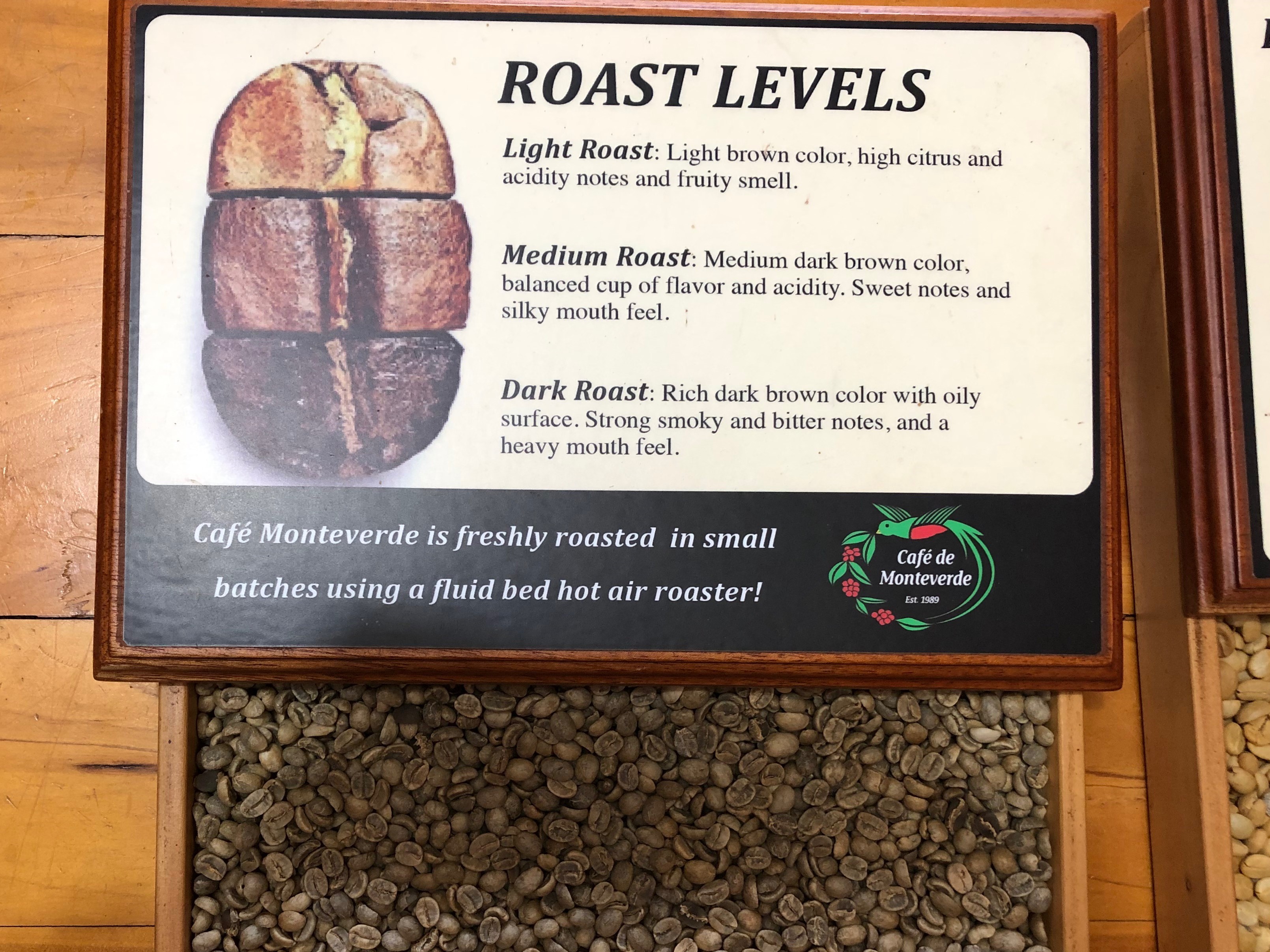
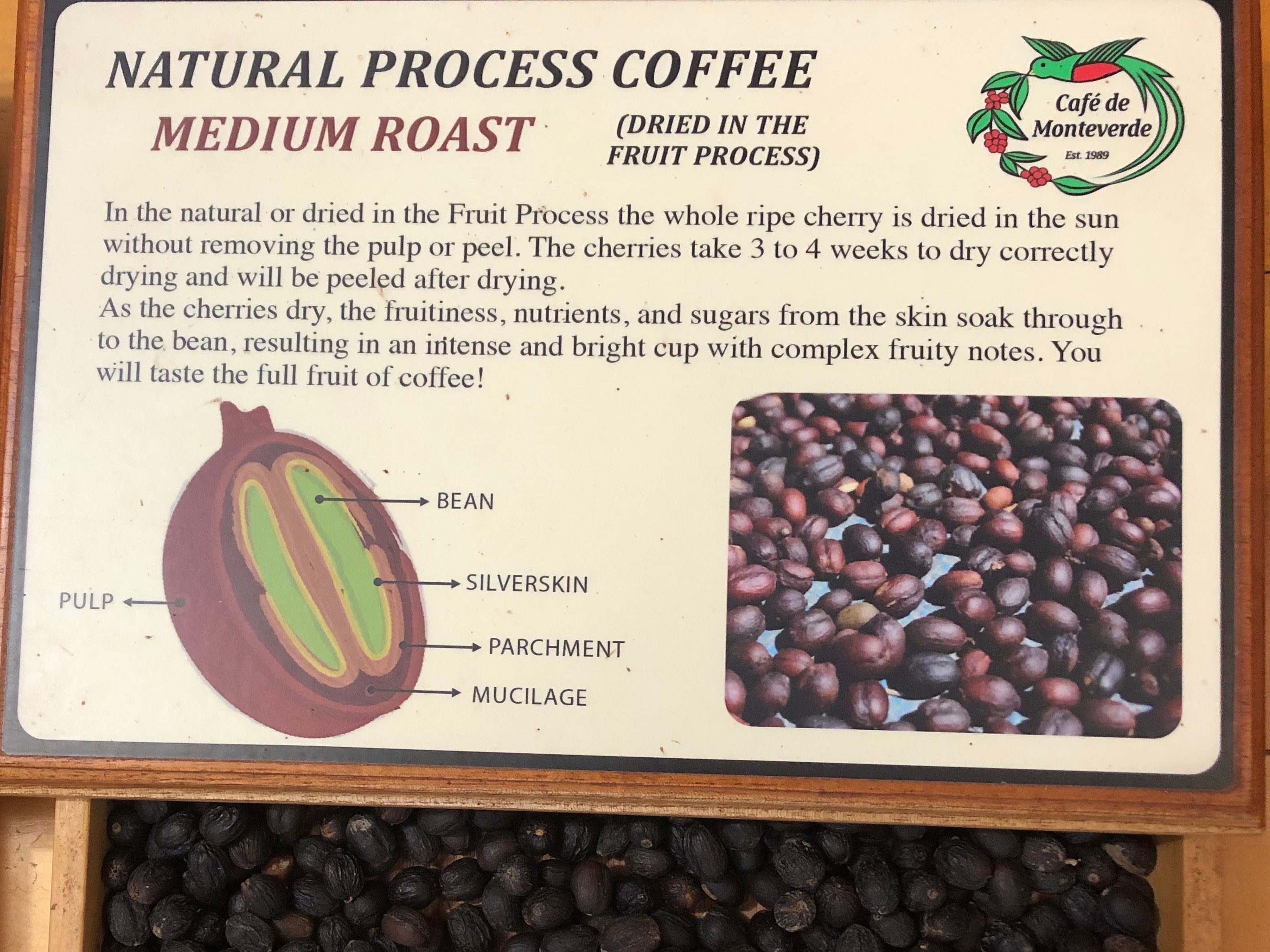
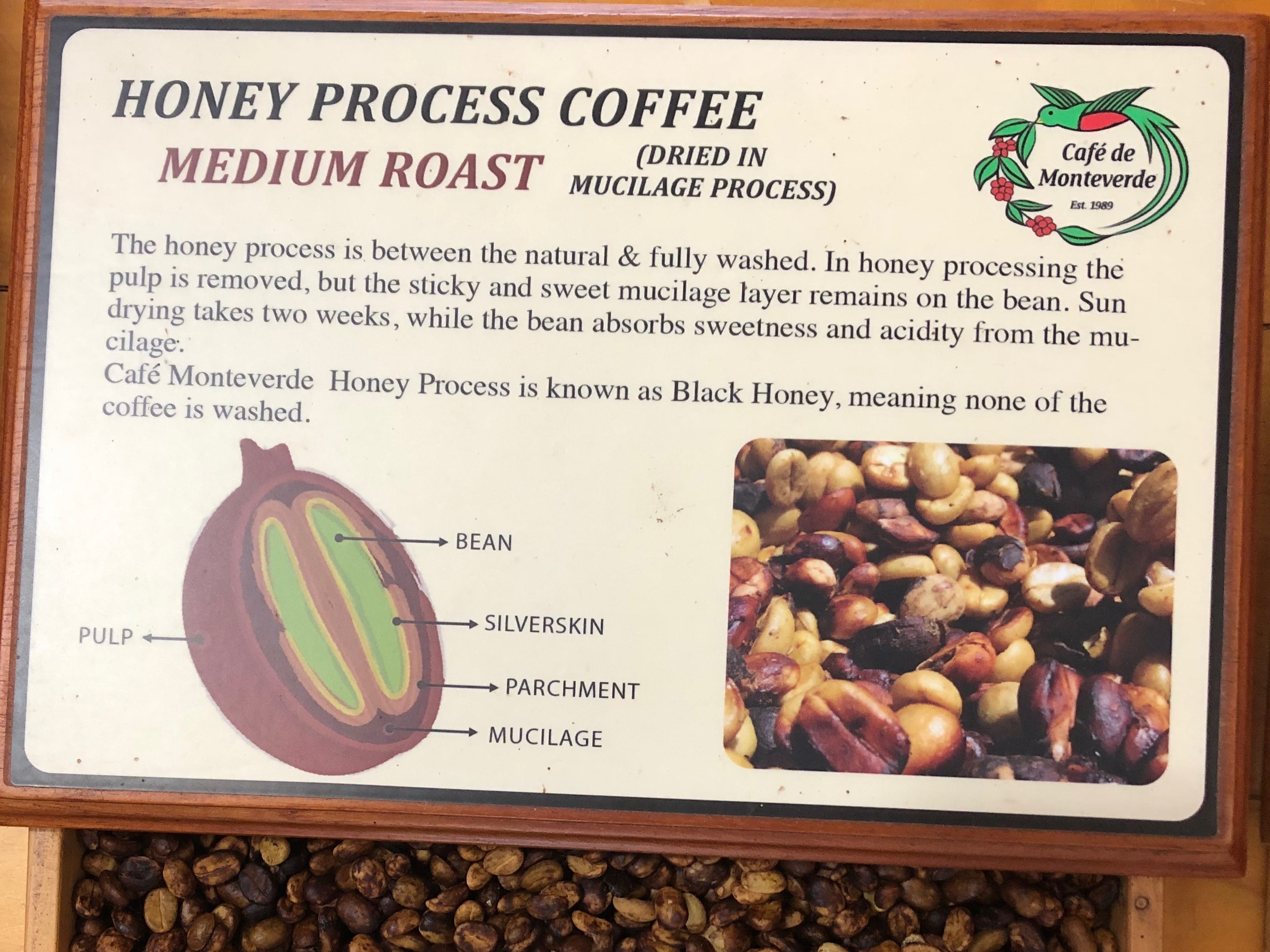
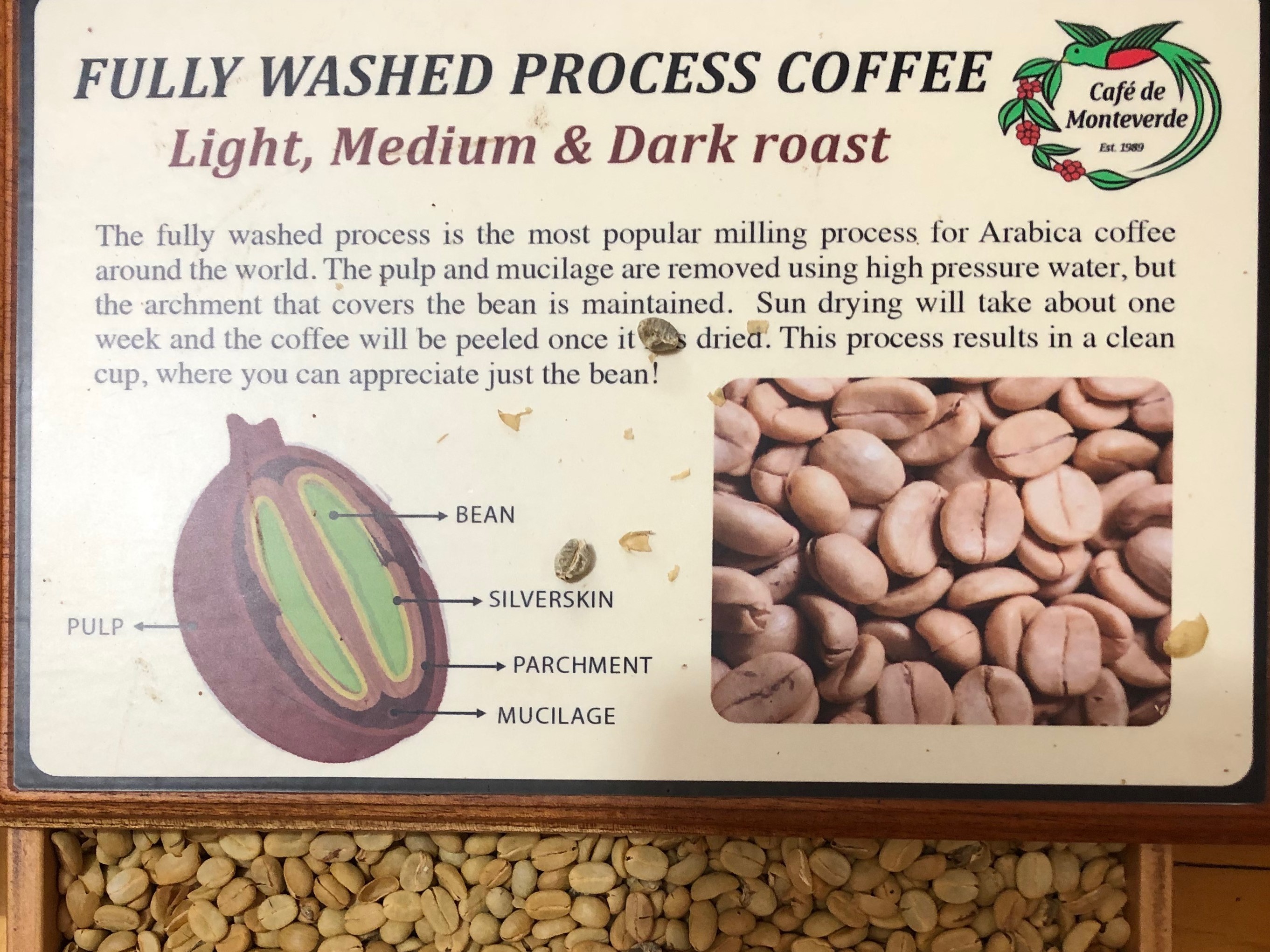
Our group took a trip to Monteverde Life, a family owned and environmentally sustainable coffee plantation.The coffee plants are kept above group for close monitoring for their first year or so to ensure survival.Once they are mature, they are placed with the other coffee plants, and can produce coffee beans for around 30 years.There are several benefits to pruning the plants, including to stop the spread of illnesses such as fungus, and to make sure the plants are producing optimal harvest. The dead branches are left on the ground around the living plants to absorb the impact of rain and to make sure that the soil stays in place.The root and plant that produced coffee beans for 33 years.New and pruned coffee plants typically take about 3 years to produce their first harvest, so in the meantime frijoles are planted between the rows of coffee to make use of the land. Fun fact: the beans also provide nitrogen to the soil for the coffee plants. Frijoles are the crop of choice because they are high in protein, fiber, and iron.Before our tour, I definitely assumed dark roast had the most caffeine in it, but it turns out light roast does! The extra roasting needed for dark roast denatures and destroys the caffeine.The three different ways by which they process the coffee!The two different machines used to roast the coffee. The smaller machine can roast about 12lbs while the larger one shown above can roast up to 50lbs of coffee at a time.“Weeds are just plants we don’t know yet.” ~GuillermoBonus: We got to take a brief descanso in a beautiful (and huge) tree!
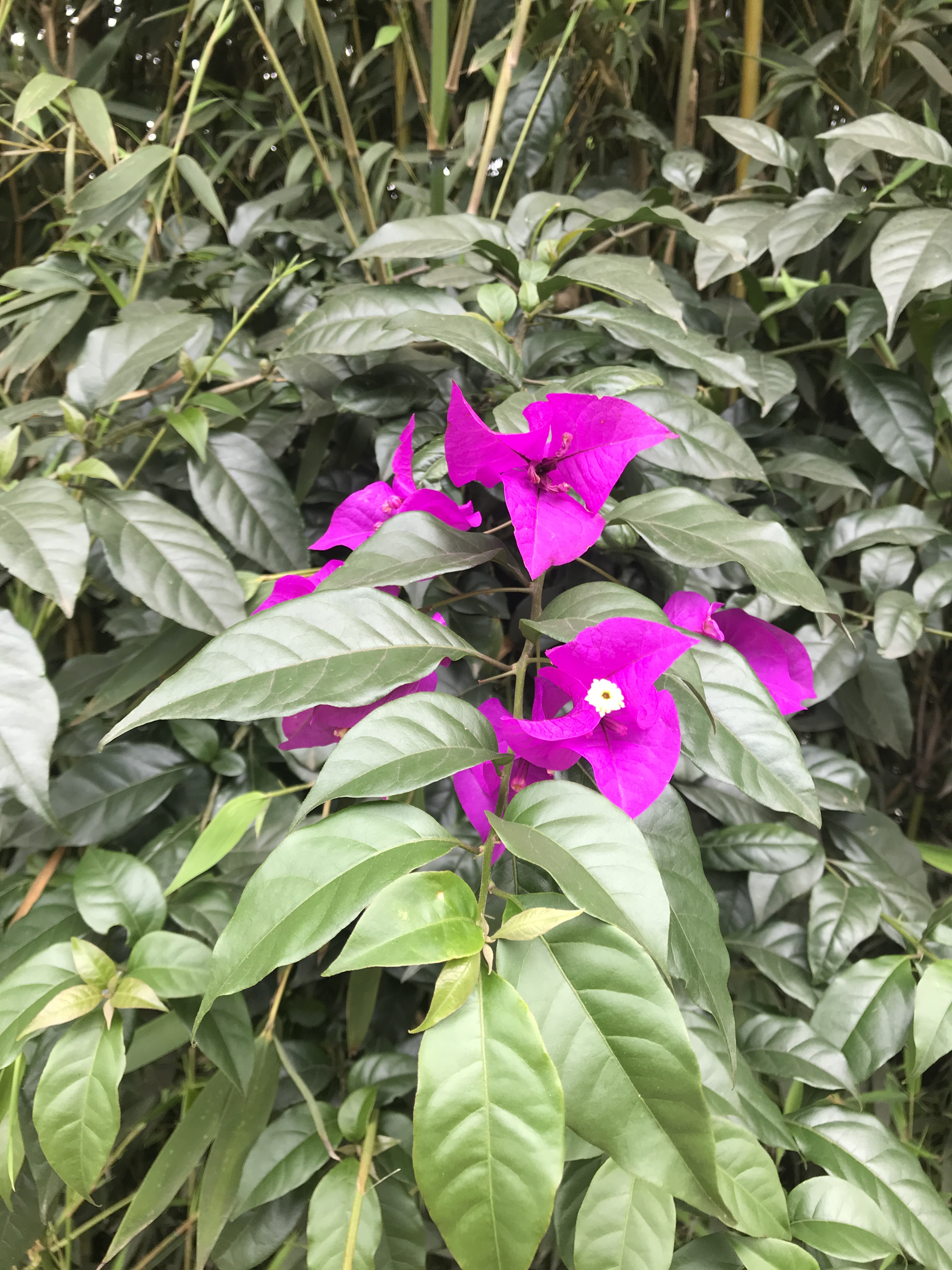
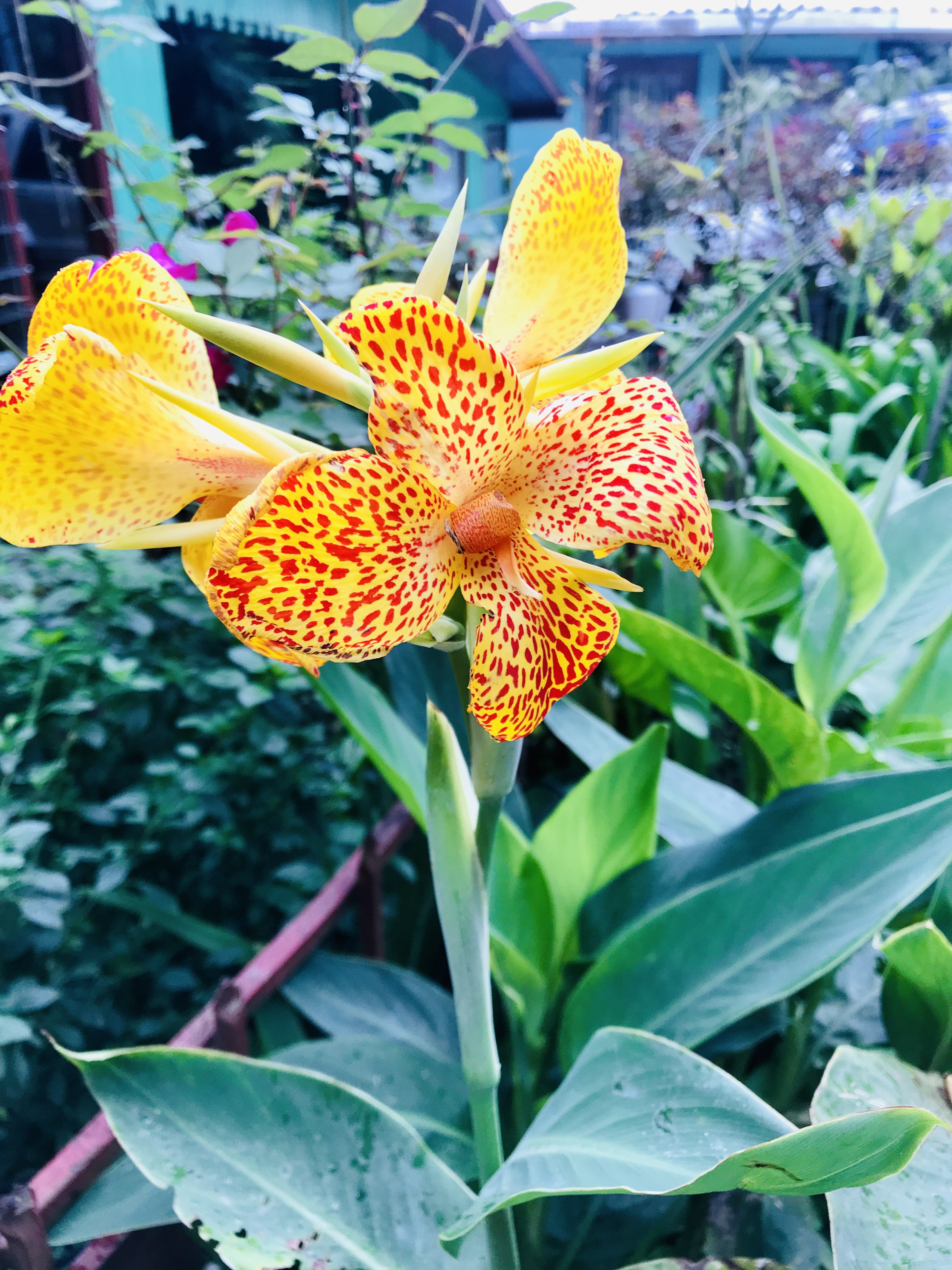
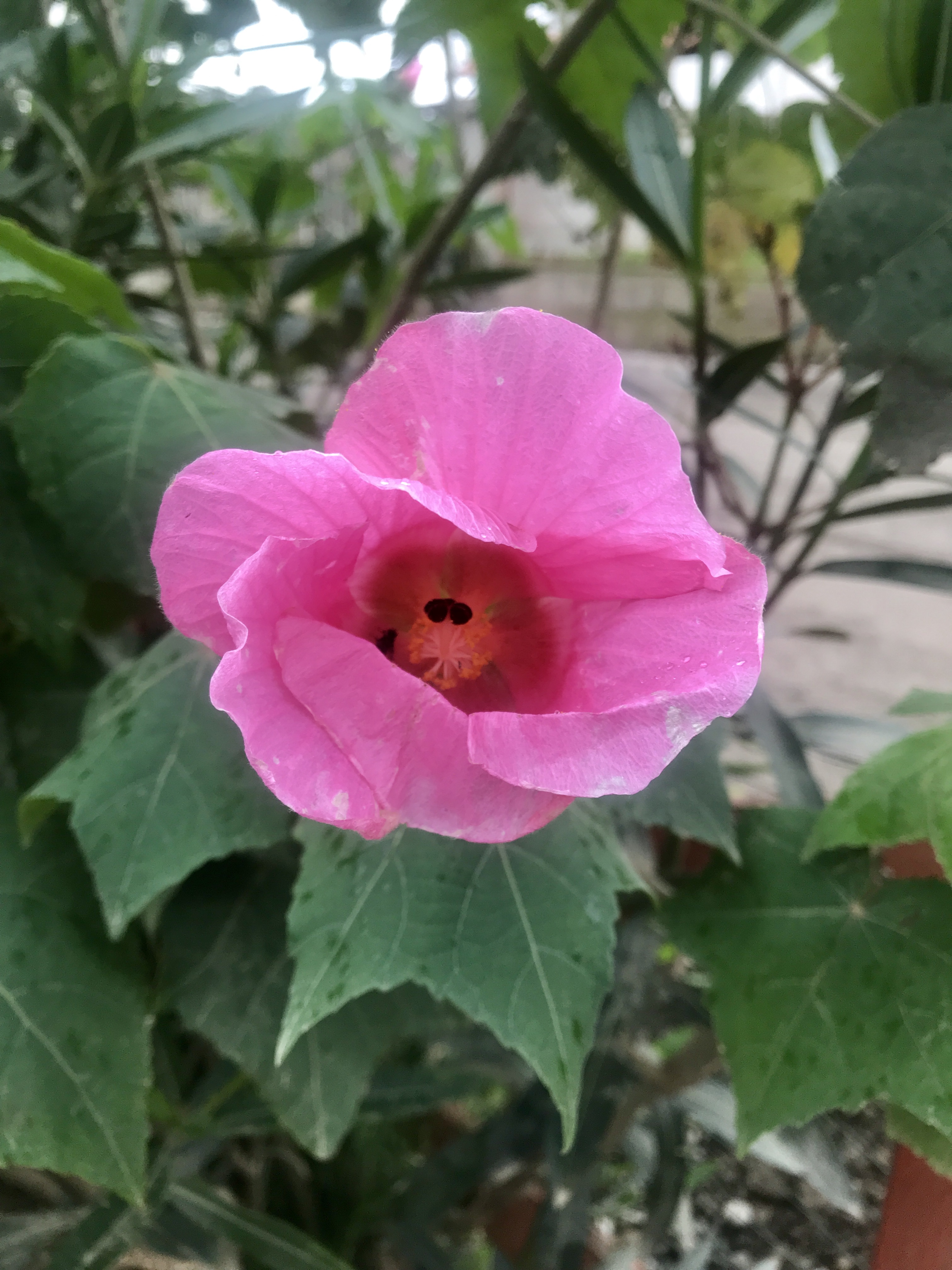
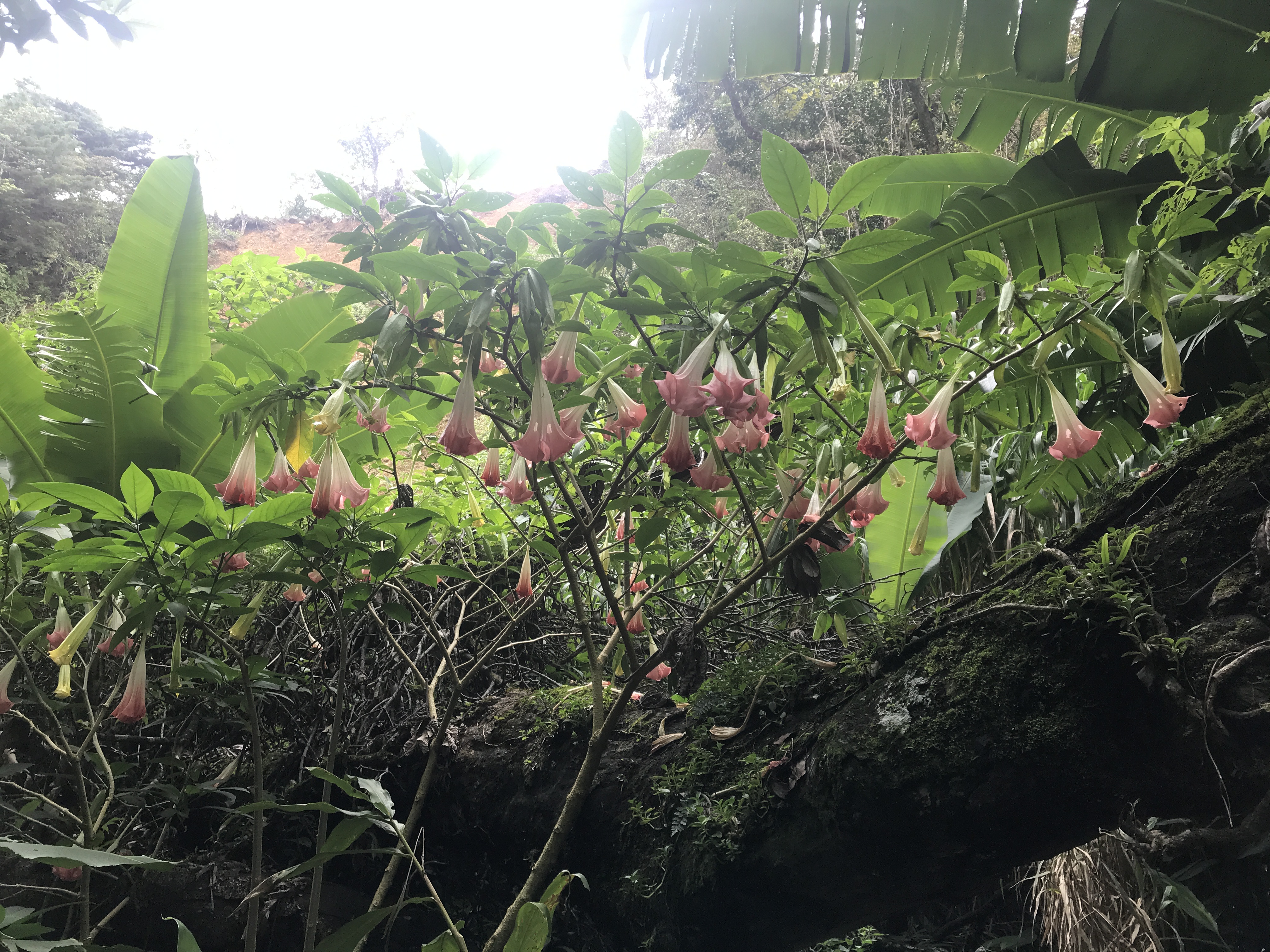
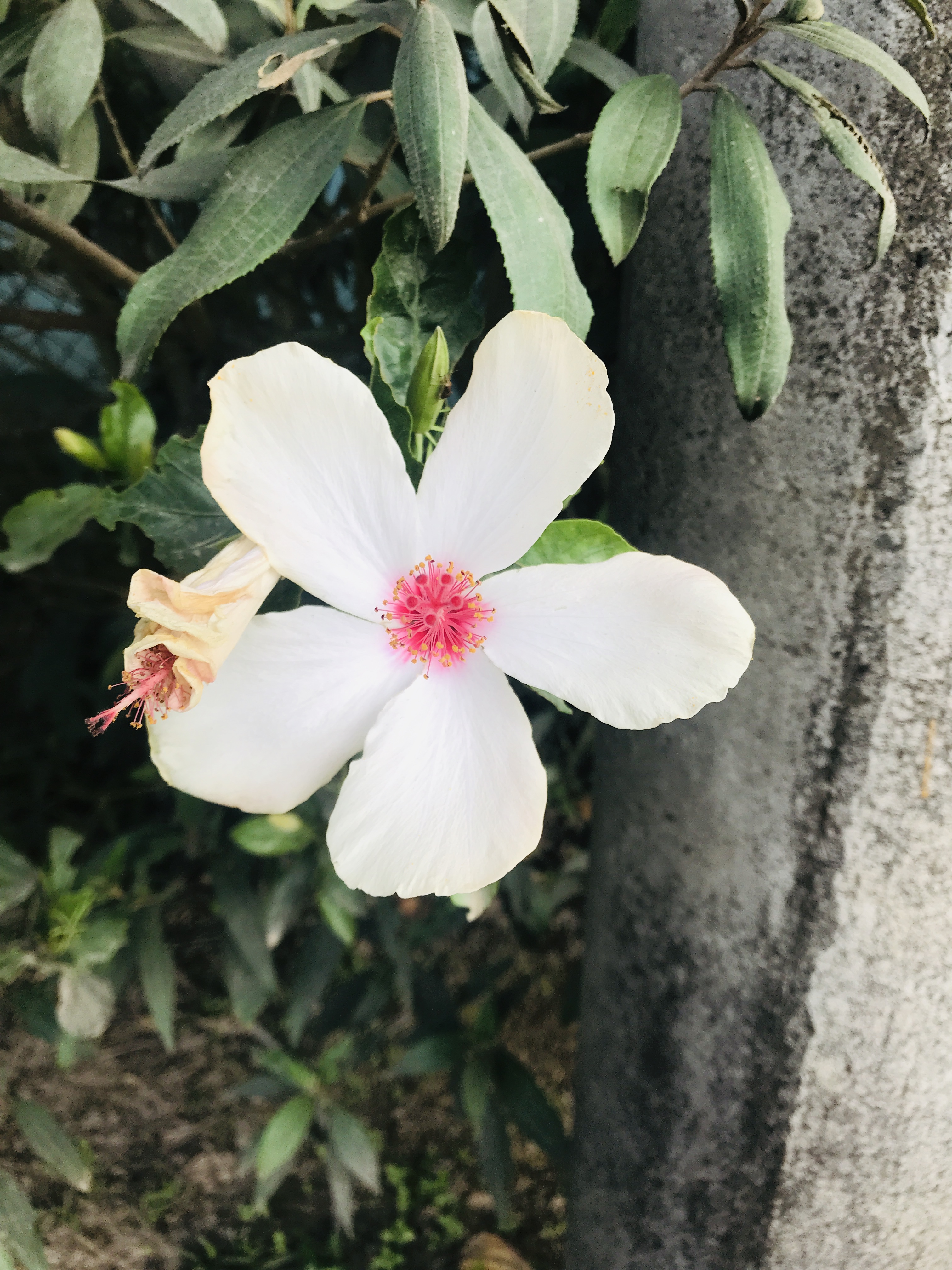
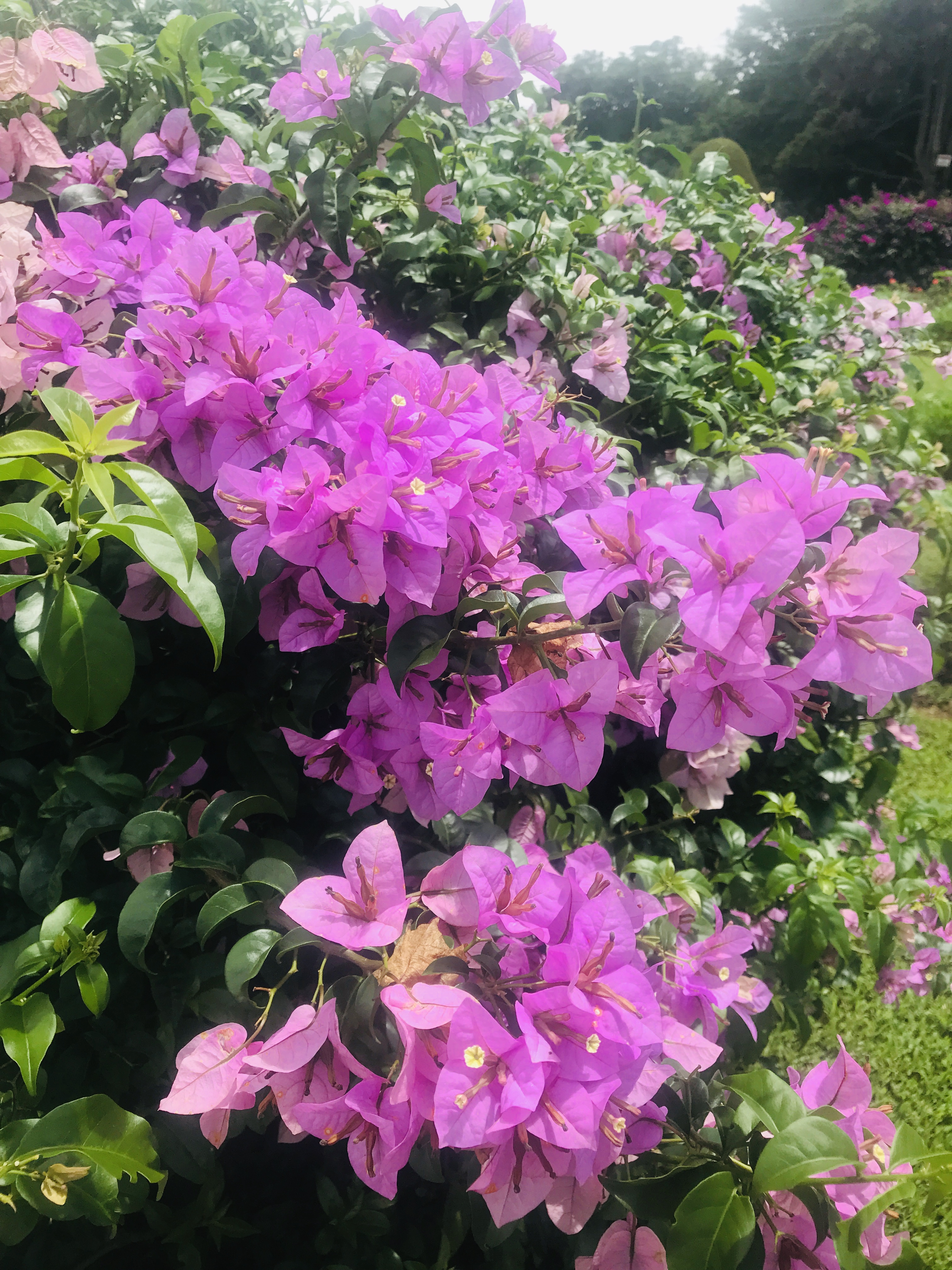
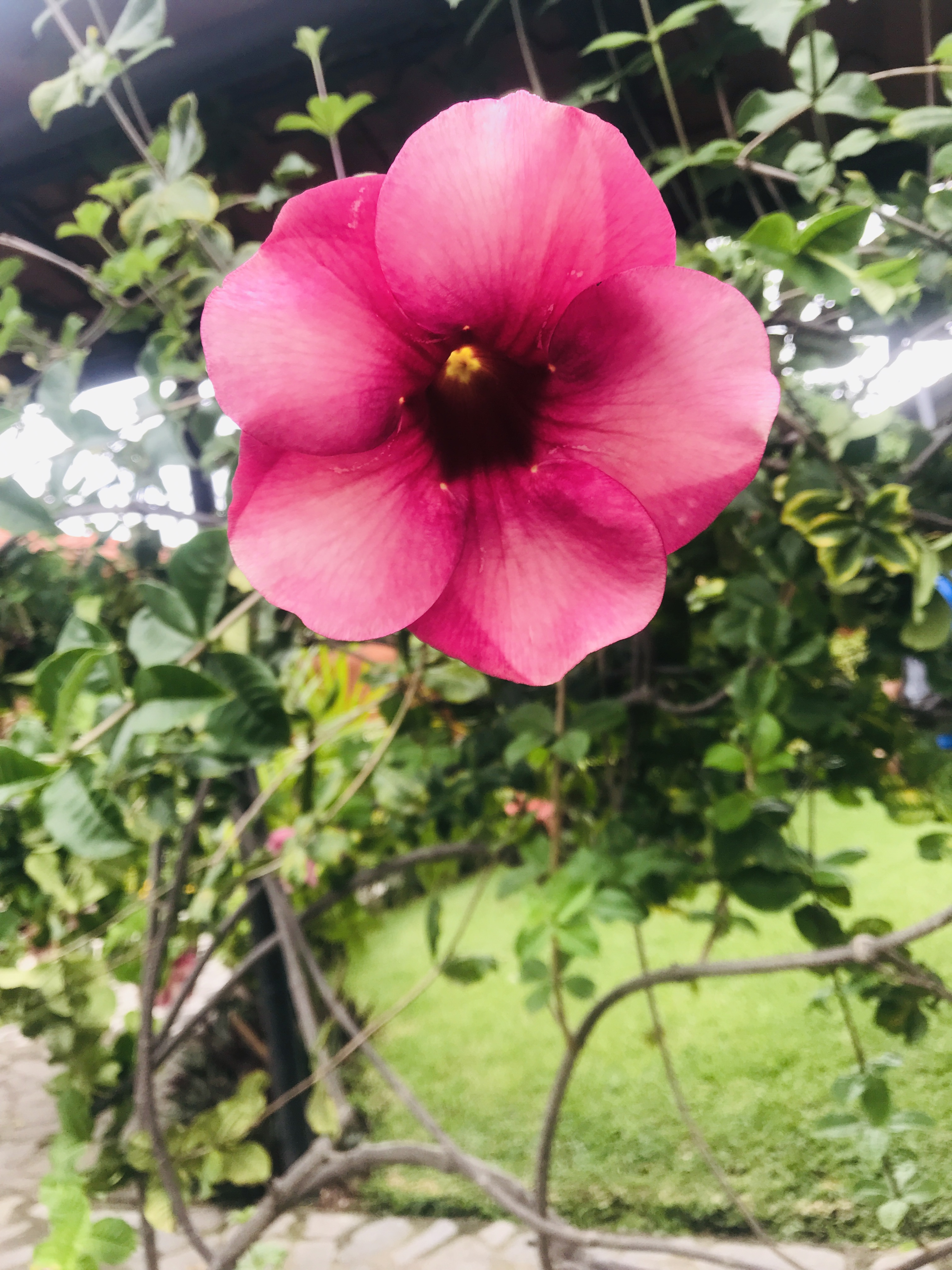
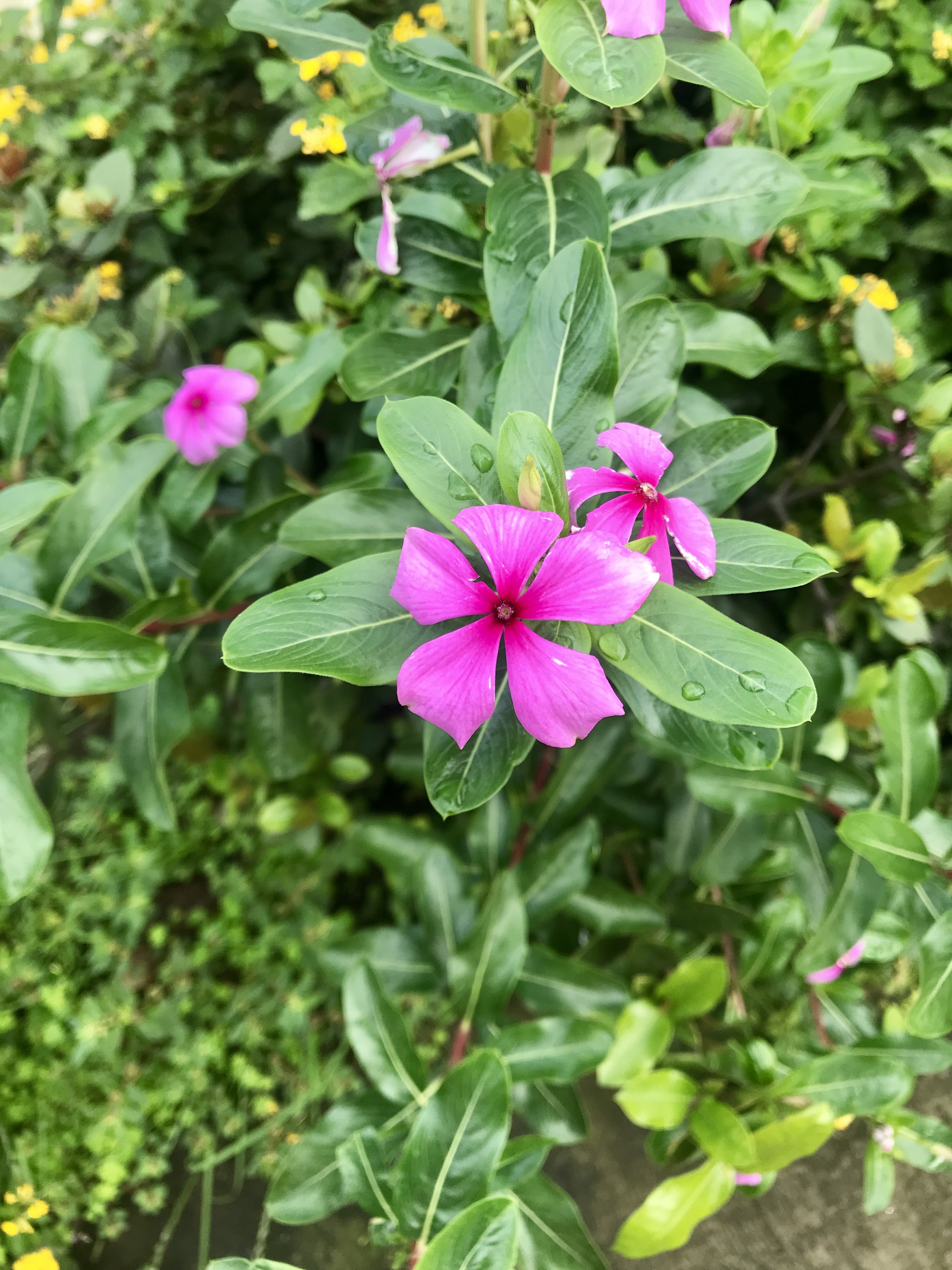
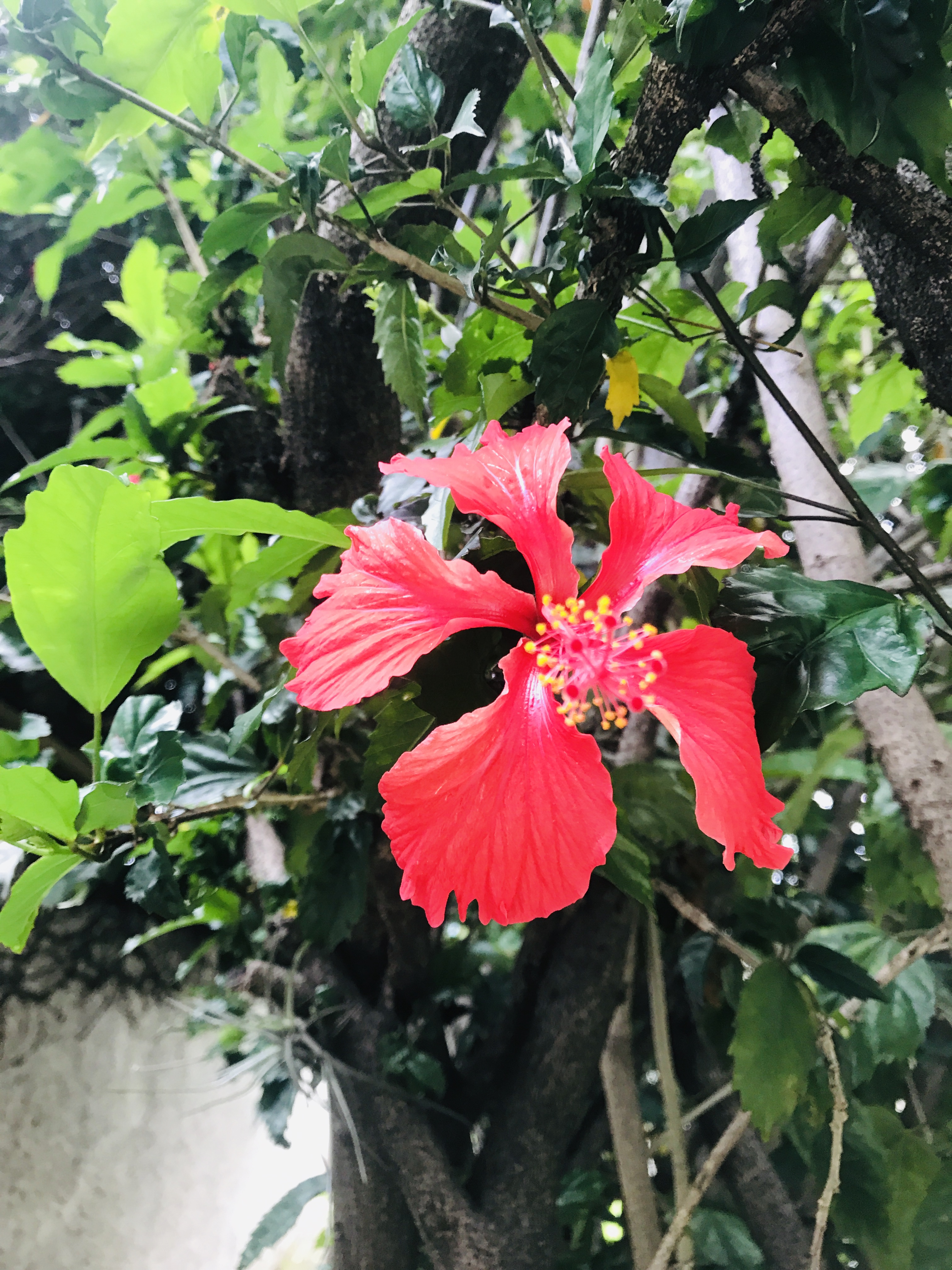
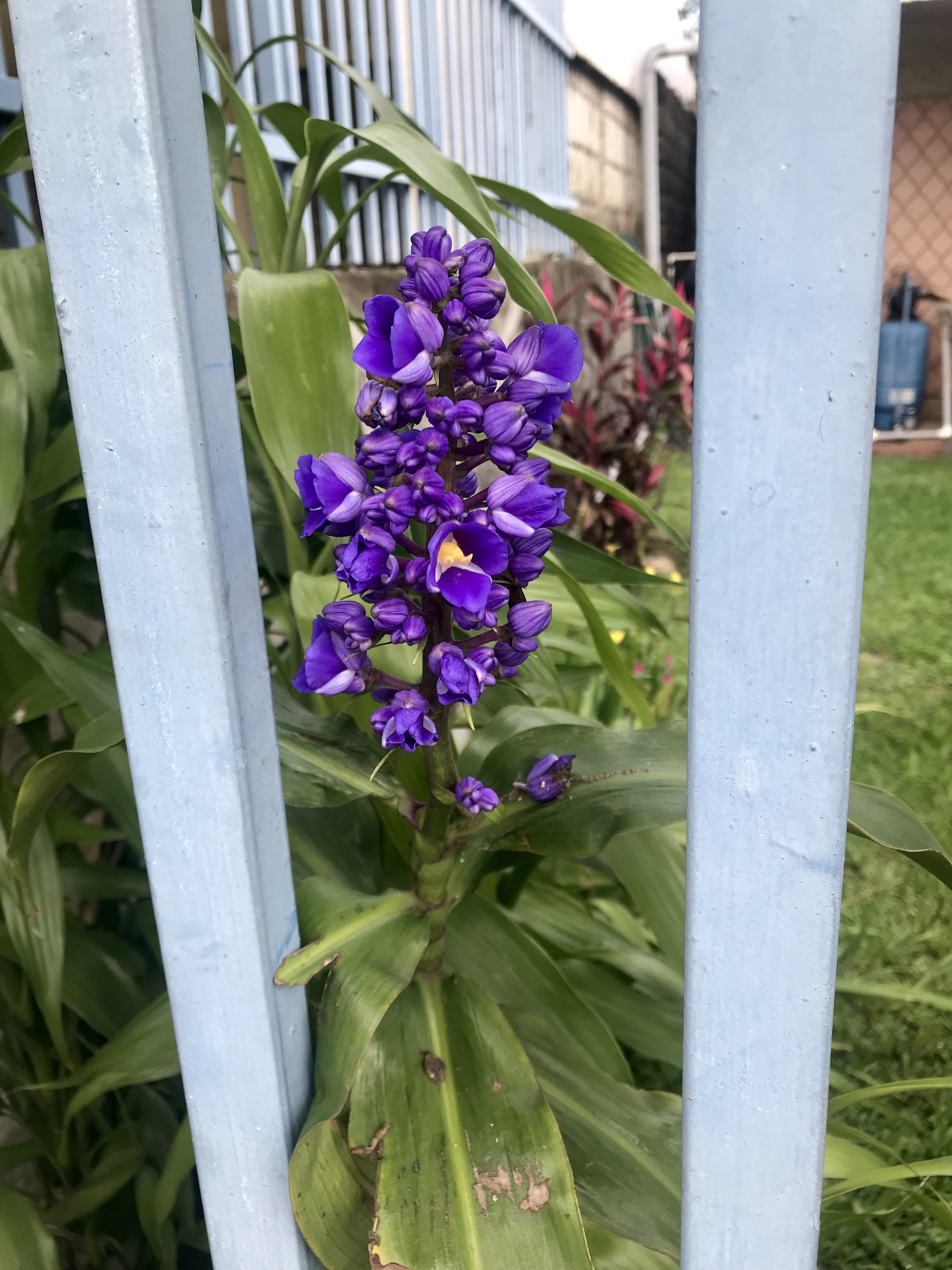
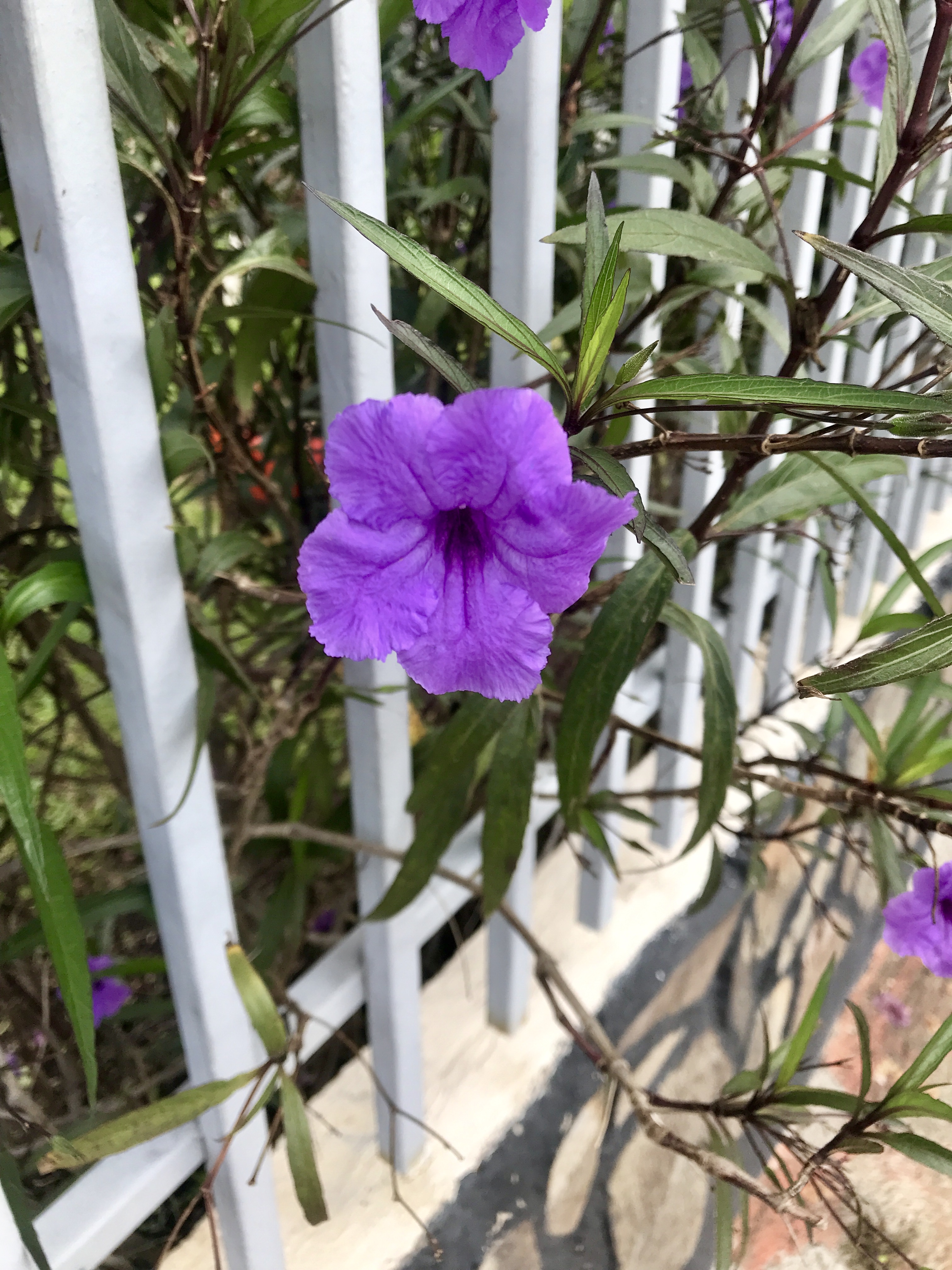
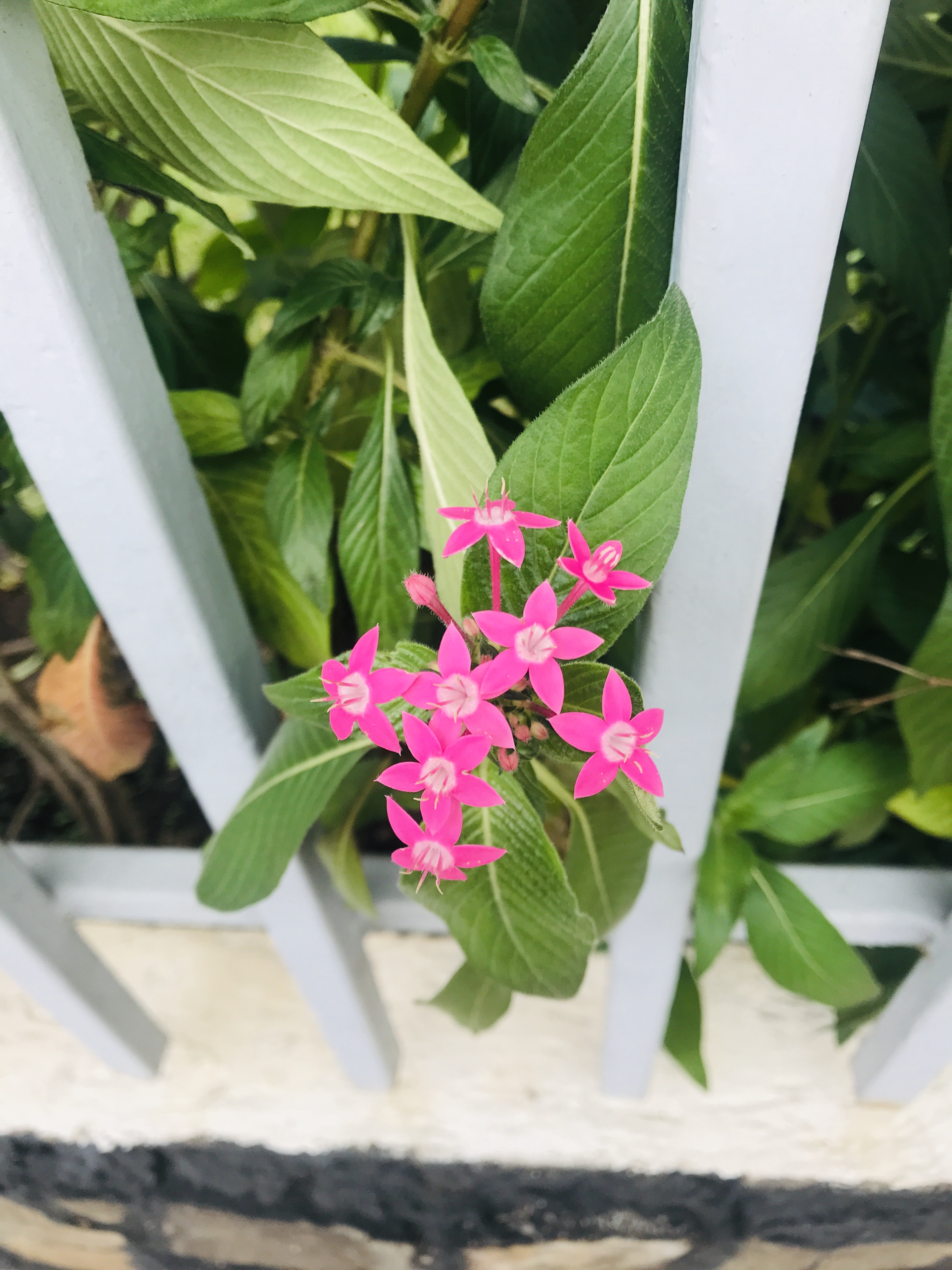
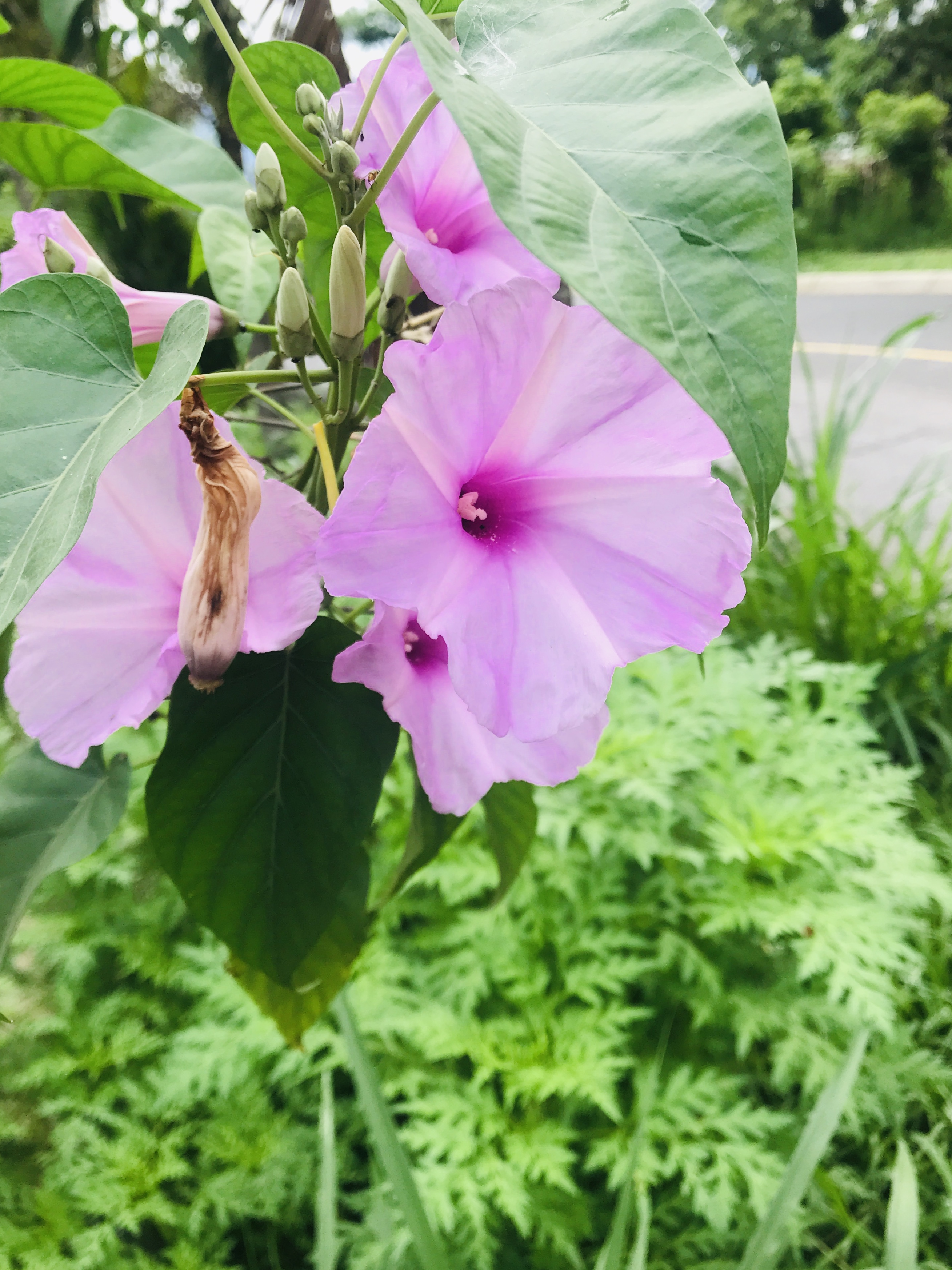
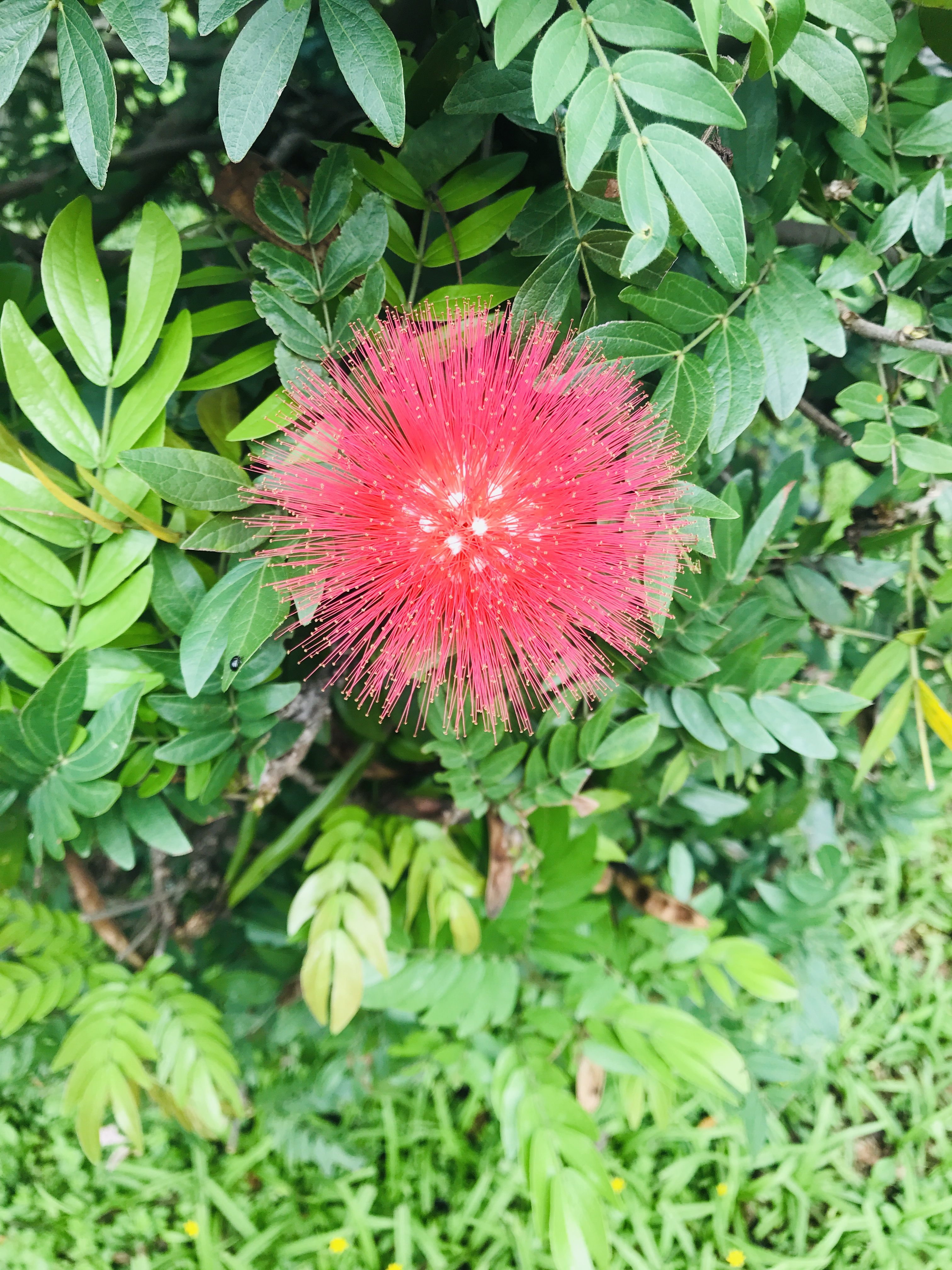
There’s a lot of walking here in Costa Rica, but it’s not so bad when you have scenery like this! The following pictures are flowers I found during my time in Heredia and Monteverde!
I found the flowers on my walk home from CPI in Monteverde
This flower was in my momma tica’s yard in Monteverde We came across these flowers on our hike to a waterfall in Monteverde· We were later told if we sat under these flowers for too long, we would experience a “high”Found at our meeting point in Monteverde
These flowers were found in a park at Alfaro Ruíz
Alfaro Ruíz is located in Alajuela, Costa Rica
This flower was found at CPI in Heredia
I saw all of these flowers on my walk to school in Heredia
A group of 10 students will be studying Spanish at CPI (Centro Panamericano de Idiomas) and will live with host families in San Joaquín and Monteverde from June 2nd to June 30th. This blog will be a platform for participants to share their reflections and a window to gaze into the culture of Costa Rica and the experience of studying abroad.

 A-State Costa Rica 2019