As someone whose life is fueled by it, I only saw it fit to dive into the careful planning, hard labor, and intricate processes behind my favorite part of my morning routine- coffee.
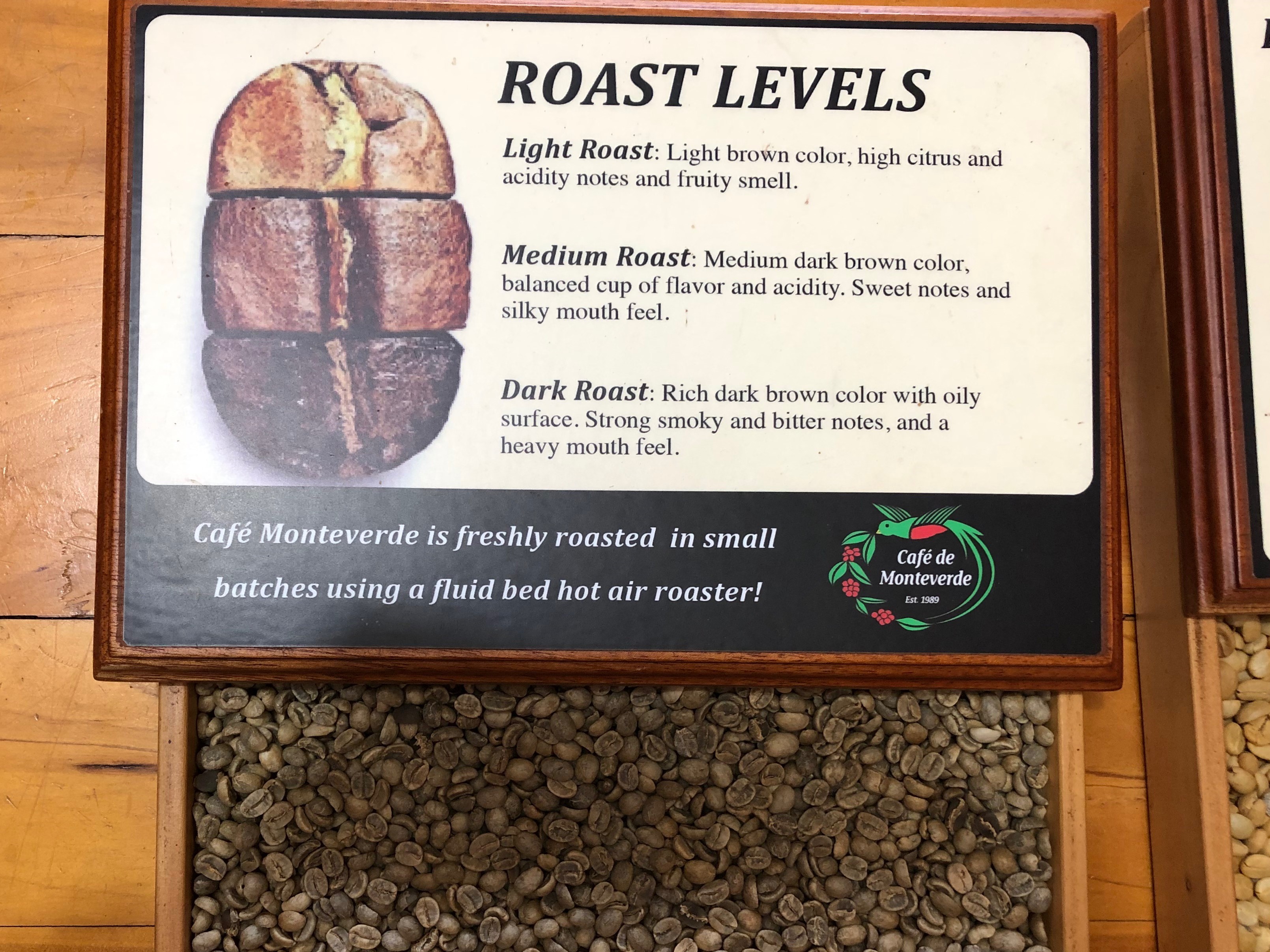
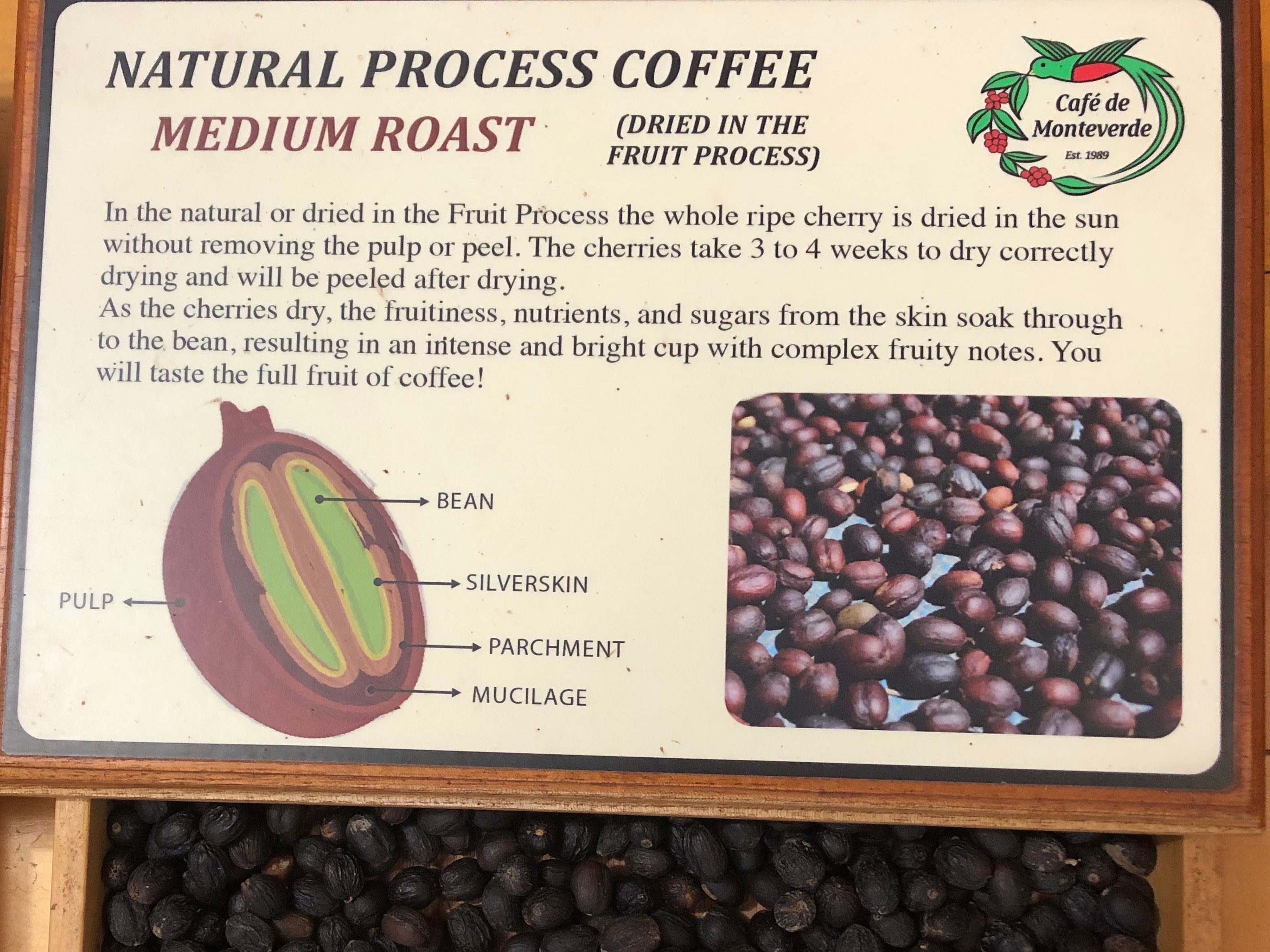
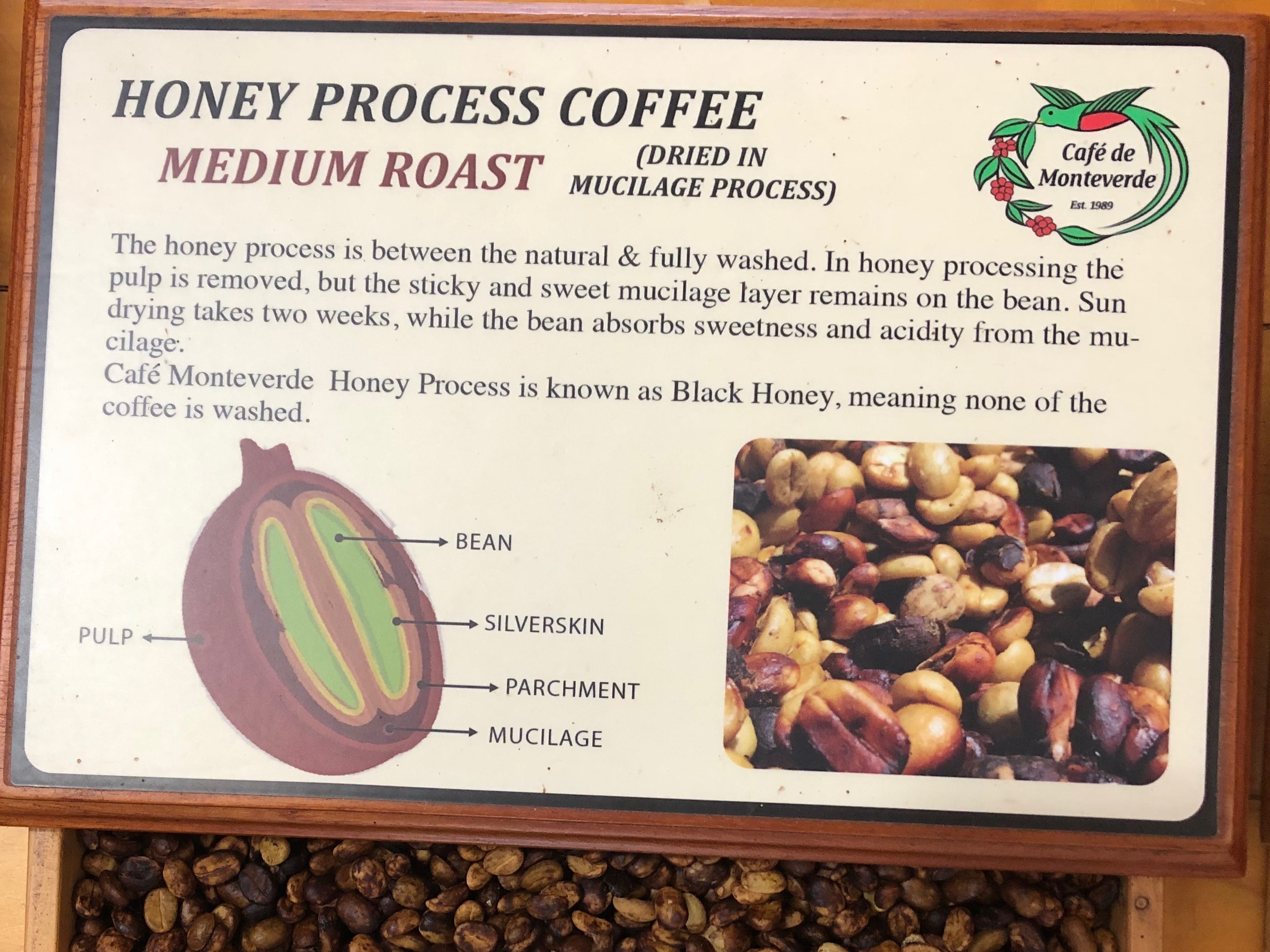
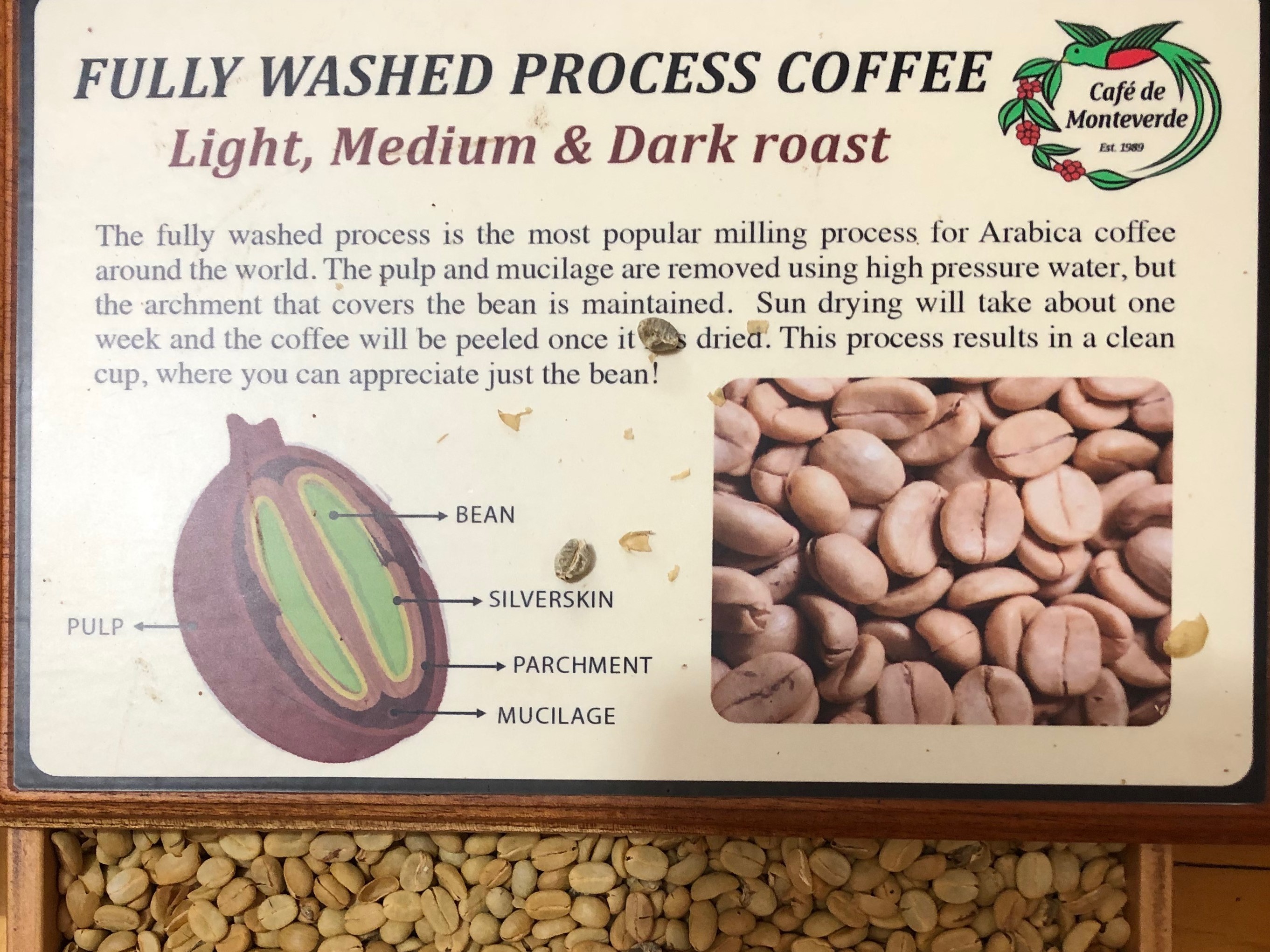
Our group took a trip to Monteverde Life, a family owned and environmentally sustainable coffee plantation.The coffee plants are kept above group for close monitoring for their first year or so to ensure survival.Once they are mature, they are placed with the other coffee plants, and can produce coffee beans for around 30 years.There are several benefits to pruning the plants, including to stop the spread of illnesses such as fungus, and to make sure the plants are producing optimal harvest. The dead branches are left on the ground around the living plants to absorb the impact of rain and to make sure that the soil stays in place.The root and plant that produced coffee beans for 33 years.New and pruned coffee plants typically take about 3 years to produce their first harvest, so in the meantime frijoles are planted between the rows of coffee to make use of the land. Fun fact: the beans also provide nitrogen to the soil for the coffee plants. Frijoles are the crop of choice because they are high in protein, fiber, and iron.Before our tour, I definitely assumed dark roast had the most caffeine in it, but it turns out light roast does! The extra roasting needed for dark roast denatures and destroys the caffeine.The three different ways by which they process the coffee!The two different machines used to roast the coffee. The smaller machine can roast about 12lbs while the larger one shown above can roast up to 50lbs of coffee at a time.“Weeds are just plants we don’t know yet.” ~GuillermoBonus: We got to take a brief descanso in a beautiful (and huge) tree!

 A-State Costa Rica 2019