Part of the experience of going to Costa Rica, unless you stay in heavily populated areas, is snakes being close around. For some people it is best not knowing snakes are close as you walk the trails of the rainforest. For me, a born and raised Ozark mountains resident, the experience was exciting. In Costa Rica there are 130 snakes of which 23 are venomous. The level of deadliness is usually inversely related to level of aggression. But, do not fear, there are antivenoms for all but one snake in Costa Rica, the Coral Snake. The reason there isn’t an antivenom is because the process of making the antivenom uses horses. Horses have great immune systems and also can produce a lot of antivenom. This process includes injecting the venom into a horse and extracting antivenom properties from the blood. The venom from the Coral Snake is too toxic and kills the horse. Costa Ricans call this snake the cigarette snake because if you get bitten, you have time to smoke one cigarette before you die. The place we visited did not have one since their habitat is off the pacific coast of Costa Rica. I don’t have a picture of this snake but you can look it up if desired.
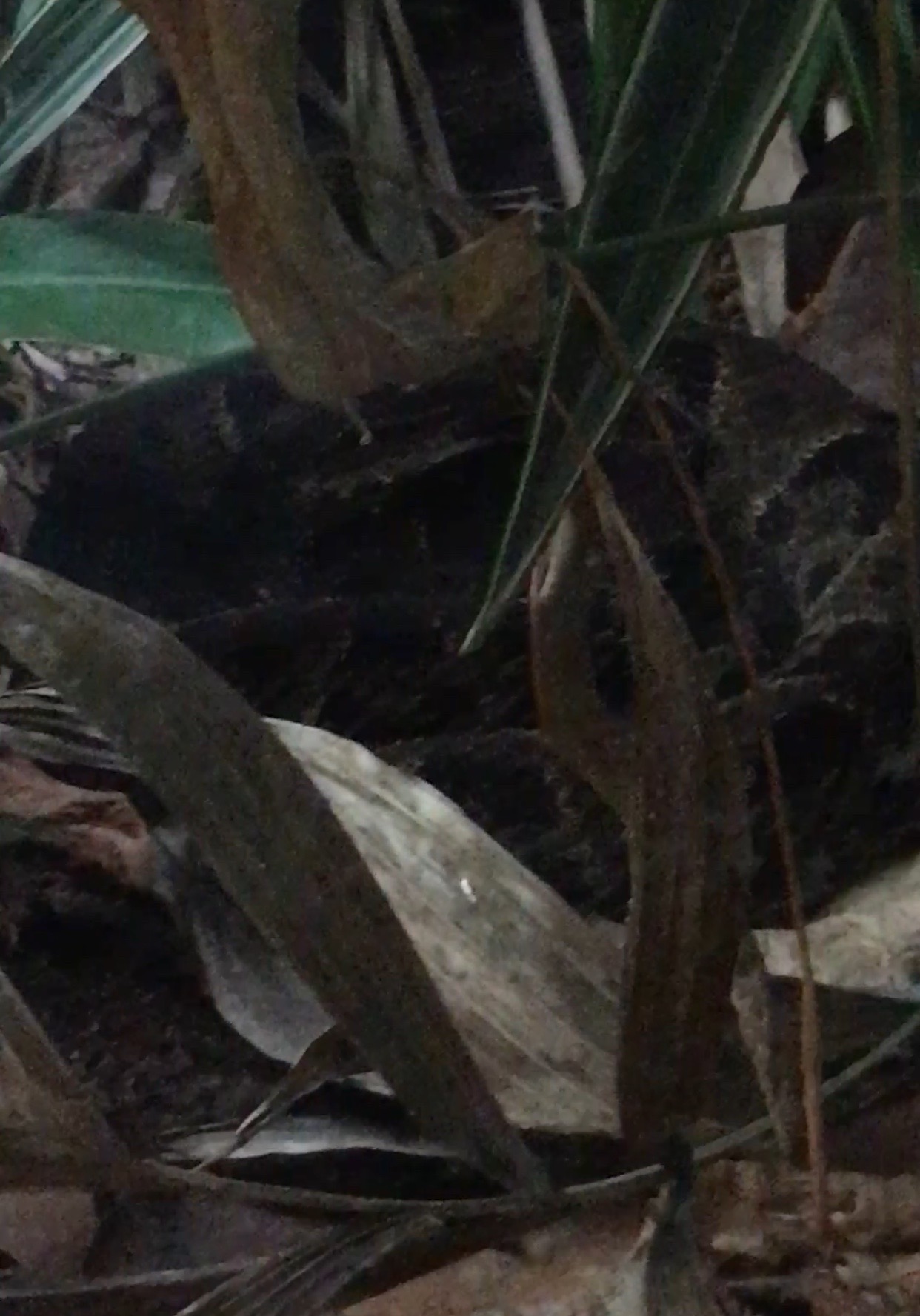
The Fer-De-Lance snake is a crop lands snake and is hemotoxic. The snakes work at night time and “Fer-De-Lance” is French meaning “head of the spear.” This is the most aggressive snake in Costa Rica. According to our guide, this snake will go down from its nest, go into your house, and bite you.
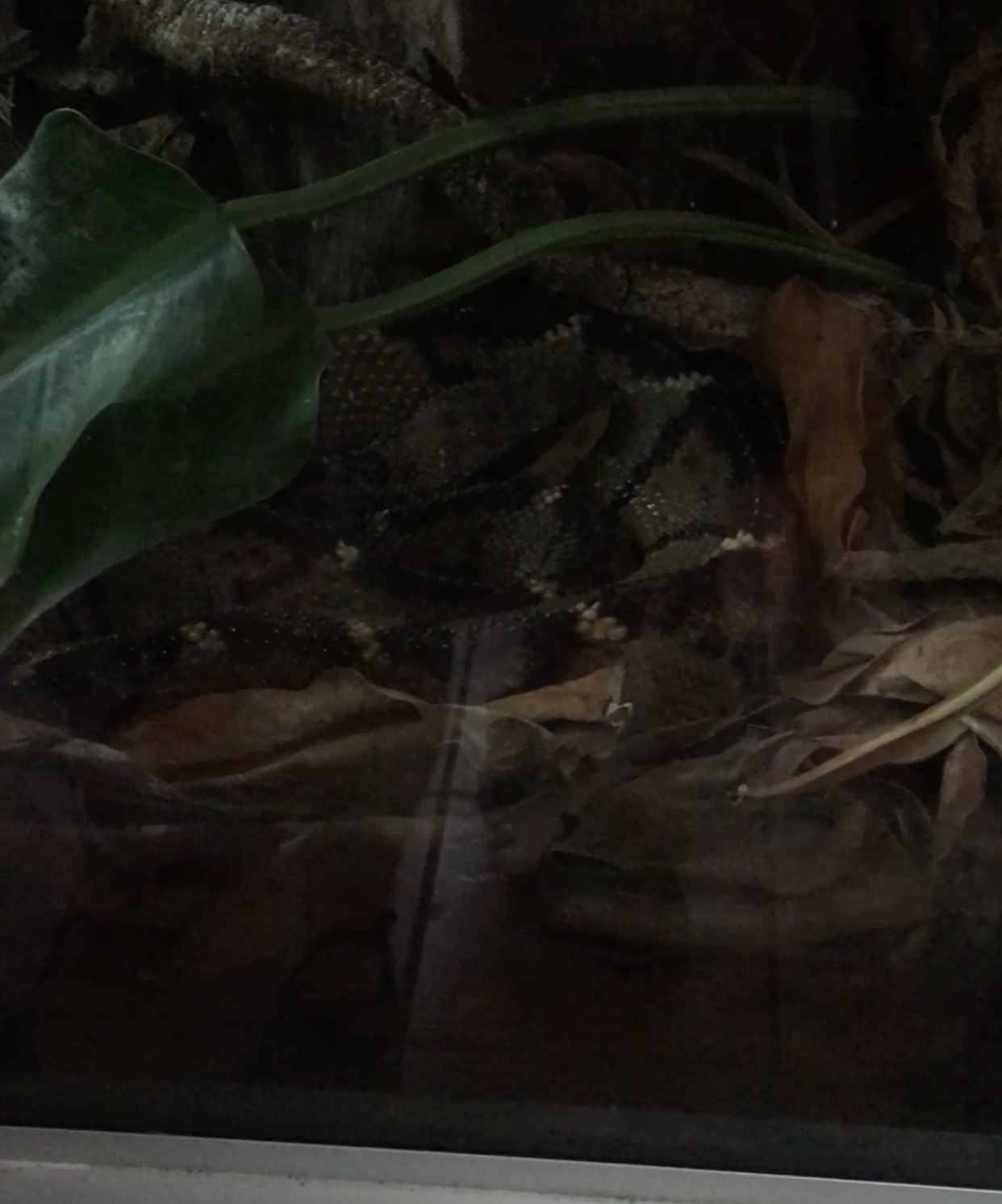
Another important snake of Costa Rica is the bush master, the Northern and Black-headed Bushmaster are the two types. This snake is the most common very venomous snake and is deadly. The venom of this snake is special since it has both neuro and hemotoxic venom. The previous snake, the Fer-De-Lance, sometimes gives dry bites, but the bushmaster does not. However, the bushmaster is pretty “shy.” In order to get bitten by this snake you have to step on its head or hit it with something.
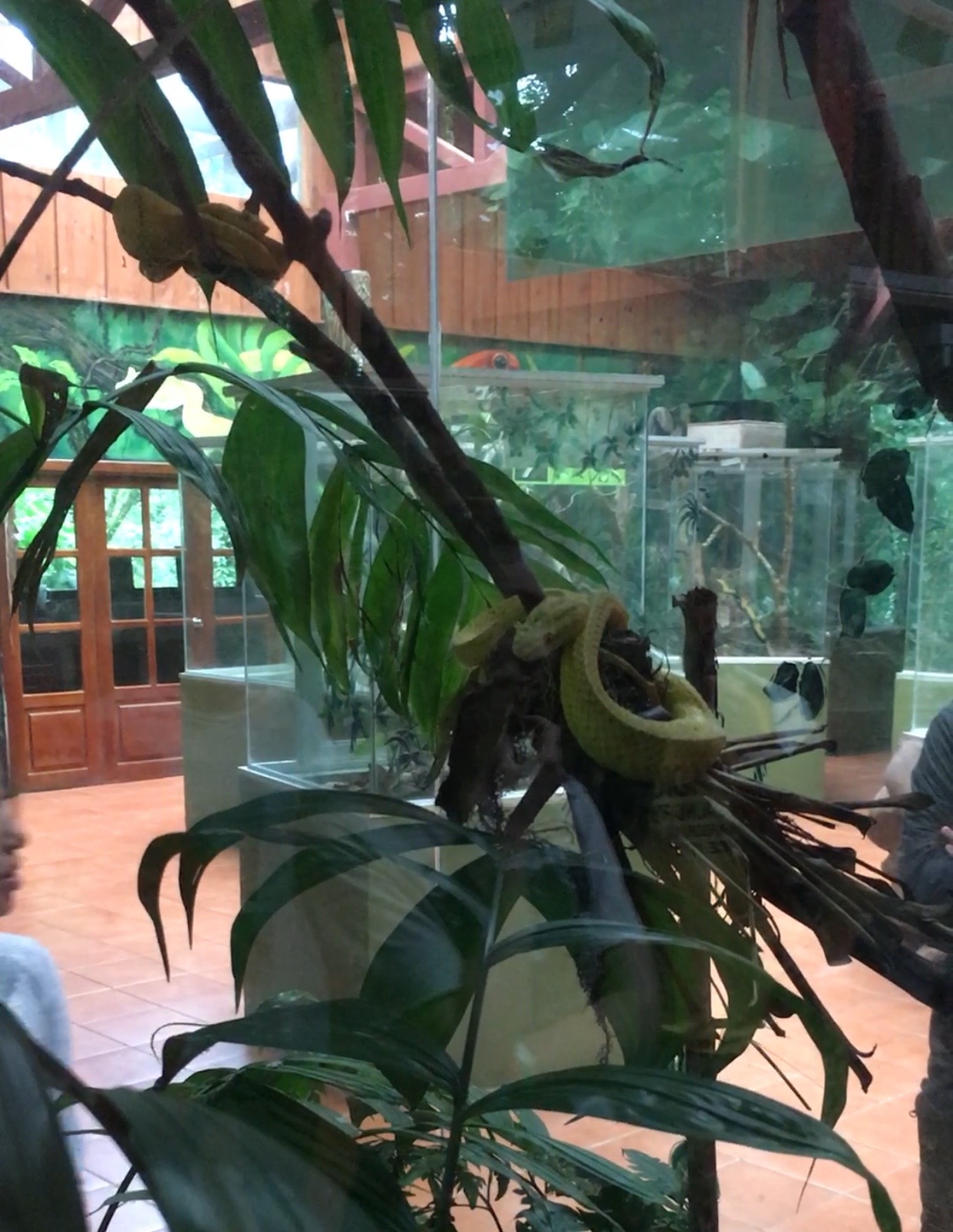
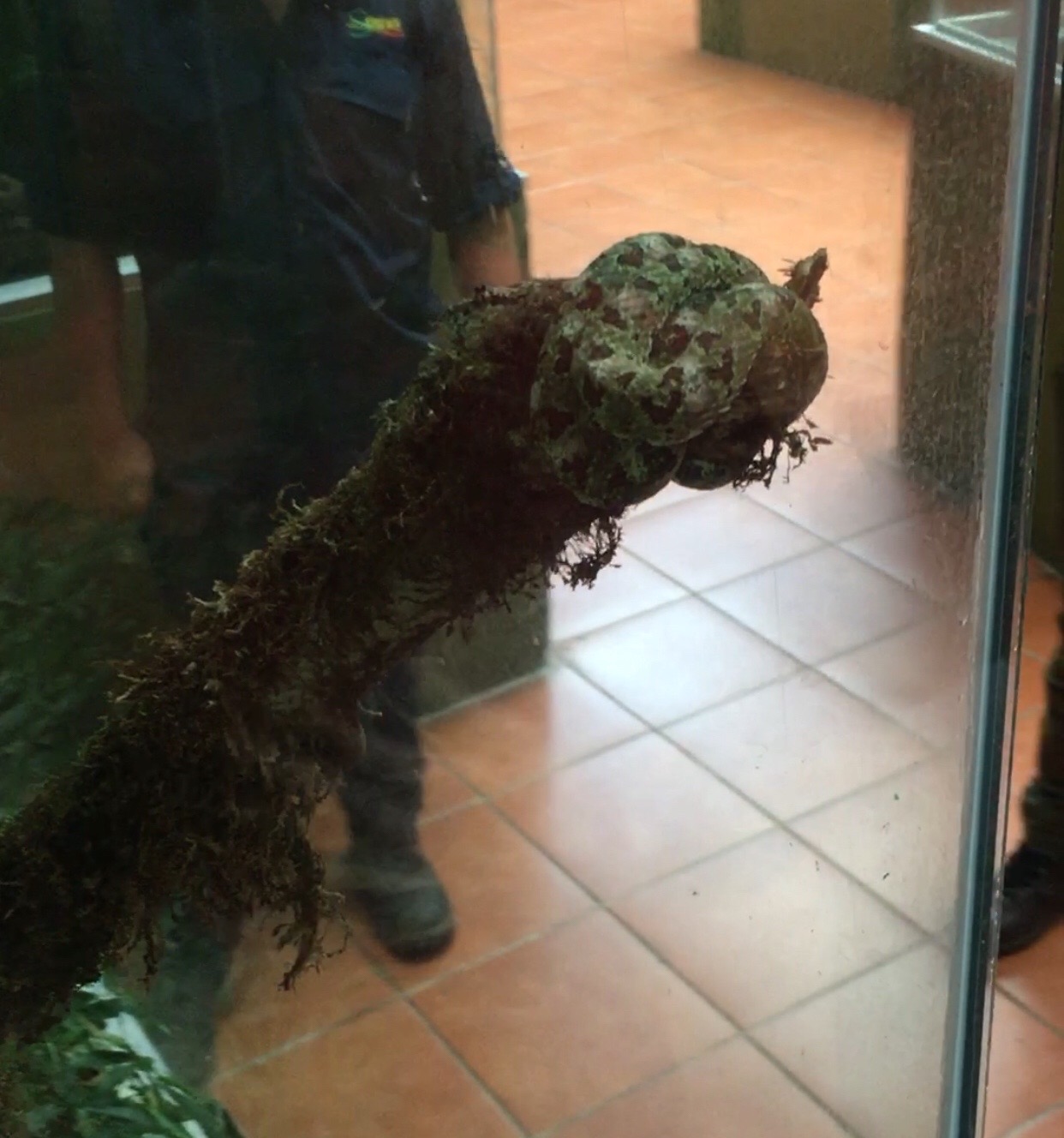
The last important snake in Costa Rica we learned about was the Eye Lash Viper. This snake is a master of camouflage and is the most common in bite reports in Costa Rica. The problem with its great camouflage is being able to spot and avoid the bite. However, most people who get bitten are field workers and not tourists who stay on the trails.
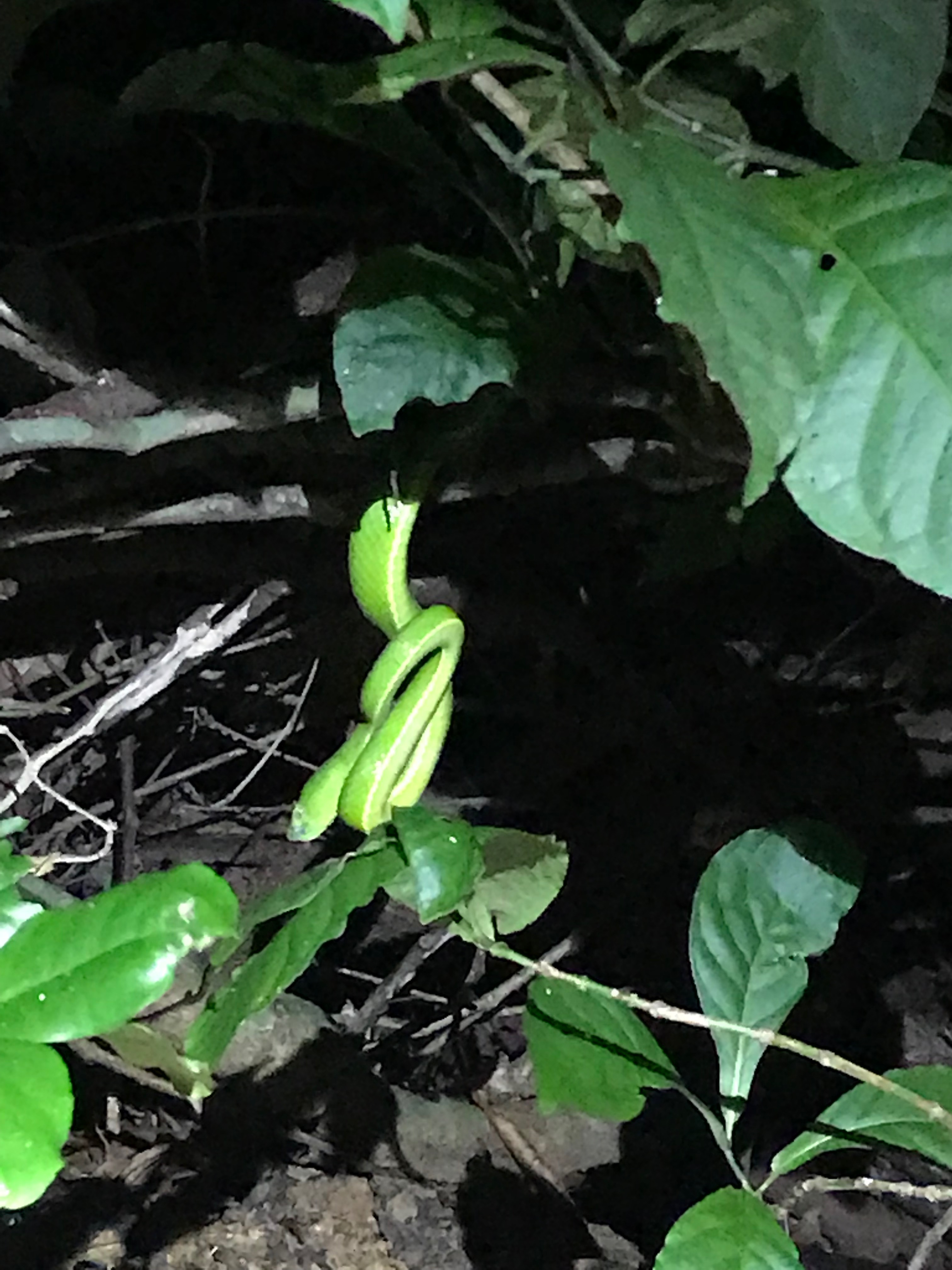
This green snake was the one kind we saw in the wild on a night walk. I would highly recommend a night walk if one is available. The snake is called the Side Striped pit viper. The pits on its face sense amounts of heat on its prey. These pits allow the snake to strike where more blood flow is which kills the prey quicker.
Learning about all the exotic animals in Costa Rica was one of my favorite parts of this trip. Even better was no one was hurt or bitten! This was definitely a once in a lifetime learning experience and I am thankful I got the opportunity.

 A-State Costa Rica 2019